

More news on this day
Cambodia and Turkey are moving to deepen their tourism partnership, with new direct flights between Phnom Penh and Istanbul and renewed high level engagement underscoring efforts to boost visitor flows and wider economic ties.
Get the latest news straight to your inbox!
Direct Air Links Mark a New Phase in Bilateral Travel
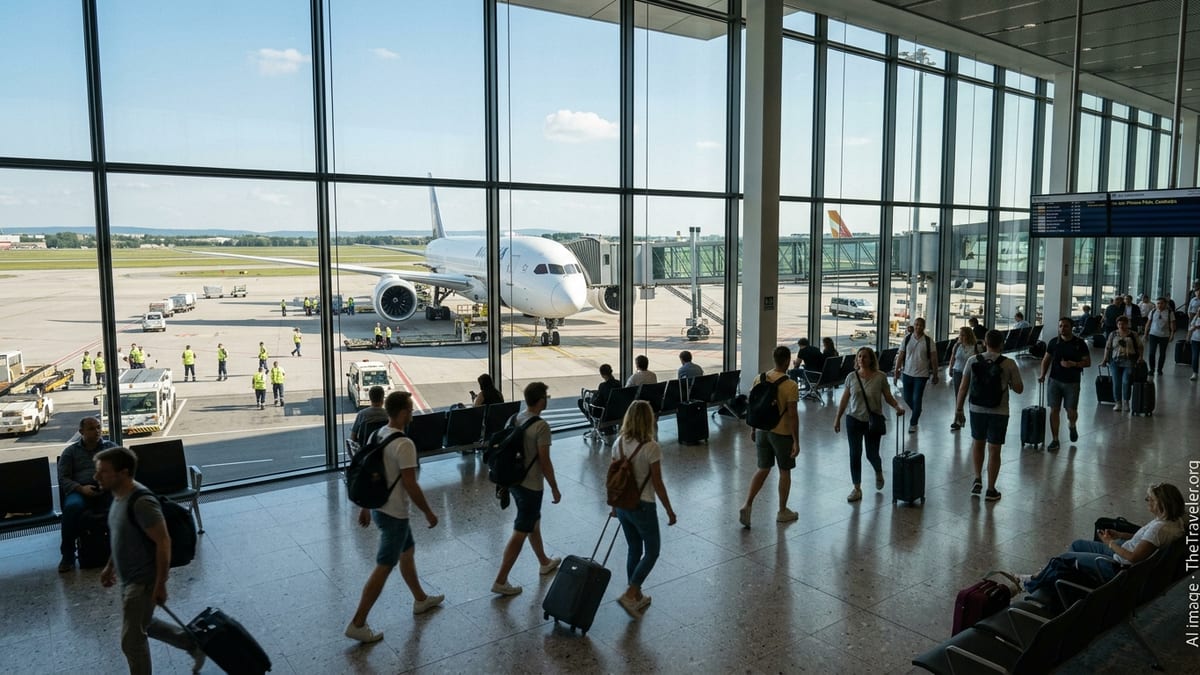
The launch of direct services between Istanbul and Phnom Penh is being highlighted by both sides as a turning point for tourism connectivity. Reports indicate that Turkish Airlines began operating non stop flights linking the Turkish metropolis with the Cambodian capital toward the end of 2025, using wide body aircraft to serve the long haul route. Cambodian aviation authorities have described the route as a milestone for the country’s air transport network and a symbol of closer cooperation with Turkey.
The new flights place Cambodia on the route map of one of the world’s largest international carriers, giving the Southeast Asian destination one stop access from a wide range of European, Middle Eastern and North African cities. Publicly available information shows that the Istanbul hub is expected to act as a key gateway for visitors heading to Phnom Penh and onward to Siem Reap and coastal resorts, supporting Cambodia’s strategy to diversify its tourism source markets.
Cambodian tourism planners have long emphasized the importance of direct air links in attracting higher spending, longer staying visitors. Industry coverage indicates that new infrastructure such as the Techo International Airport near Phnom Penh and the Siem Reap Angkor International Airport has been developed with the explicit aim of drawing more international airlines, including carriers from Turkey and other major markets, and making secondary destinations more accessible.
Minister Praises Ambassador’s Role in Strengthening Ties
Recent reporting from Phnom Penh describes a series of farewell meetings for Ülkü Kocaefe, the outgoing Turkish ambassador to Cambodia, during which the expansion of tourism cooperation featured prominently. According to Cambodian party and government publications, Minister of Tourism Huot Hak used one such meeting to express appreciation for the ambassador’s efforts in helping bring about the launch of direct flights and in promoting Cambodia to Turkish travelers.
Publicly available accounts of the discussions emphasize that the ambassador’s tenure coincided with several practical steps to strengthen connectivity and awareness, including the establishment of a Turkish office in Cambodia and sustained promotion of tourism exchanges. The minister’s comments, as reported in local media, framed these achievements as proof that sustained diplomatic engagement can translate into tangible gains for the visitor economy.
Cambodia’s leadership has also linked the aviation breakthrough with wider diplomatic and economic goals. Coverage of a separate meeting between the ambassador and senior Cambodian figures notes that the direct route is viewed as a tool to support trade, cultural links and investment as well as leisure travel. This positioning reflects a broader government approach that treats tourism as closely tied to logistics, services and regional integration agendas.
Rising Visitor Numbers Highlight Impact of Cooperation
Available tourism statistics suggest that the strengthening of ties is beginning to register in arrival numbers. Cambodian sources report that nearly 11,000 Turkish tourists visited the country in 2025, with around 4,700 arrivals recorded in the first quarter of 2026. This represents an increase of close to 16 percent compared with the same period a year earlier, indicating that the new direct connections and promotional efforts are starting to gain traction.
The figures align with a broader recovery trend in Cambodia’s tourism sector since travel restrictions were eased. Industry associations note that visitor numbers from long haul markets are improving, even as the overall totals remain below pre pandemic peaks. Observers point out that travelers from Turkey and nearby regions are often attracted by Cambodia’s cultural heritage, coastal resorts and developing niche segments such as religious and culinary tourism.
For Turkey, closer tourism links with Cambodia complement its growing role as a transit hub for travelers heading to Southeast Asia. Travel trade analysis suggests that routes to destinations such as Thailand, Vietnam and Indonesia are already well established from Istanbul, and that adding Phnom Penh provides Turkish tour operators and airlines with more options for multi destination itineraries across the Mekong region.
Longstanding Diplomatic Foundations Underpin Tourism Push
The latest developments are the continuation of a relationship that has steadily evolved over decades. Public records show that Cambodia and Turkey first established diplomatic relations in 1959, laying a foundation that has since been reinforced by various forms of political and economic cooperation. In the tourism sphere, a key step came in 2018, when the two countries signed a memorandum of understanding aimed at expanding collaboration in areas such as marketing, training and investment promotion.
Analysts note that this framework has given officials and industry stakeholders a platform to organize joint activities, from familiarization trips and cultural events to discussions on easing travel procedures. As Cambodia seeks to position itself as a higher value destination and Turkey promotes its airlines and tour products across Asia, the shared interest in building sustainable visitor flows has taken on greater prominence.
The renewed emphasis on tourism is also consistent with the strategies of both governments to use soft power and people to people exchanges to reinforce their global profiles. Commentators in regional media observe that cultural heritage, cuisine and religious sites are increasingly central to how the two countries market themselves abroad, and that direct air links make it easier to translate these narratives into actual trips.
Broader Regional Connectivity and Future Prospects
Beyond the bilateral dimension, the new route between Istanbul and Phnom Penh is being viewed as part of a wider reshaping of air travel to and within Southeast Asia. Cambodia has been actively courting airlines from a range of countries, including India, Malaysia and Gulf states, in an effort to expand its network of direct services and reduce reliance on a limited set of regional hubs. Industry reports indicate that Turkish Airlines’ entry is seen as enhancing competition and providing travelers with more choices and potentially shorter travel times.
Observers suggest that sustained cooperation between Cambodian tourism authorities, Turkish counterparts and private sector partners will be crucial to maintaining momentum. Plans reported in local media include coordinated marketing campaigns, joint participation in international travel fairs and the production of promotional content that highlights combined itineraries linking Turkey’s historic cities with Cambodia’s temple complexes and emerging beach destinations.
Looking ahead, analysts argue that the success of the partnership will depend on how effectively both sides respond to evolving traveler expectations around sustainability, digital services and authentic experiences. If the current trajectory of rising visitor numbers and expanding air links continues, Cambodia and Turkey are expected to consolidate their tourism relationship as an example of how targeted aviation and diplomatic initiatives can reshape global travel flows.