

More news on this day
Canadian travellers planning trips for spring and summer 2026 are being warned to brace for airfare hikes of as much as 20 per cent, as a surge in jet fuel prices linked to escalating conflict in the Middle East ripples through the global aviation system.
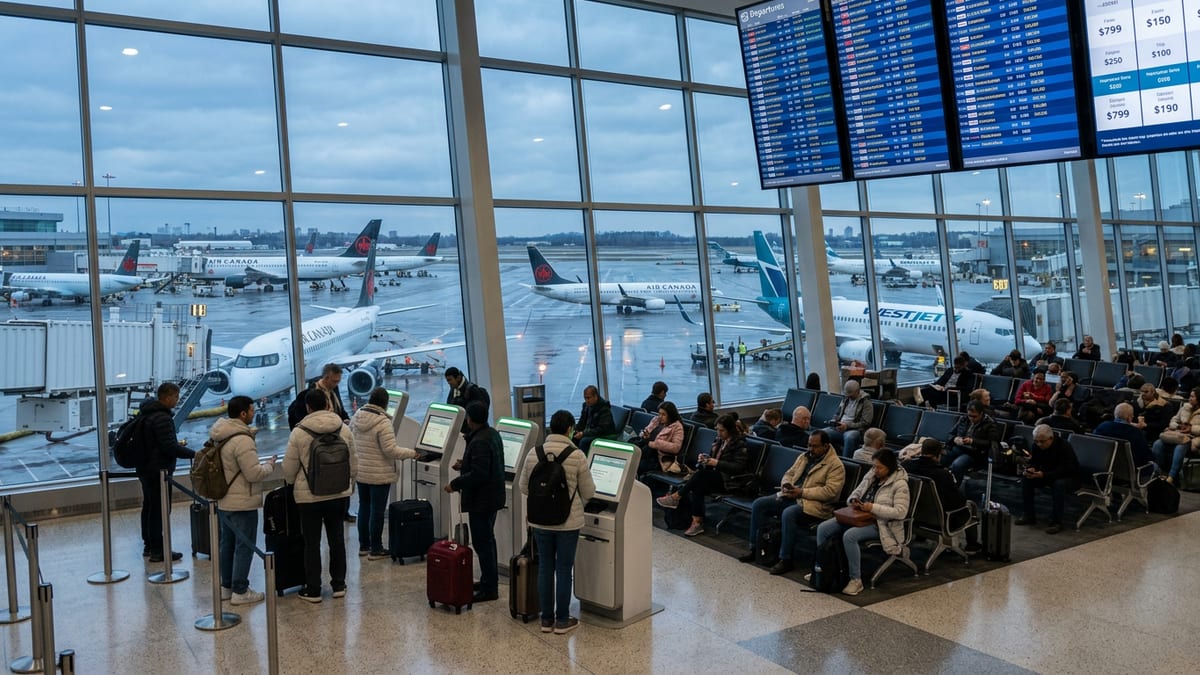
Jet Fuel Shock Hits Canadian Carriers
The latest spike in oil and jet fuel prices has arrived just as Canadian airlines were preparing for a busy transatlantic and long-haul season. Analysts say benchmark jet fuel prices have jumped by roughly one-third in a matter of weeks, after the Iran war and the closure of key maritime routes in the Strait of Hormuz disrupted around a fifth of the world’s oil flows. That has sent fuel bills sharply higher for carriers such as Air Canada, WestJet and Air Transat, which rely heavily on long-haul routes where fuel accounts for a significant share of operating costs.
Industry reports now peg jet fuel in North America at its highest level in several years, reversing much of the relief airlines enjoyed in 2024 and 2025. For Canadian carriers, which had budgeted on more moderate fuel prices for 2026, the renewed volatility is forcing a rapid rethink of pricing, capacity and even route planning.
“Fuel is our single largest variable expense, and this type of move cannot be absorbed for long,” one senior executive at a Canadian airline said in an investor briefing, warning that sustained increases will “inevitably be reflected in fares” if conditions persist into the summer.
How a Middle East Conflict Reaches Canadian Fare Screens
The link between unrest in the Middle East and ticket prices in Canada runs through a narrow maritime choke point and the global oil market. The closure and militarisation of the Strait of Hormuz, a key route for tankers carrying crude oil and refined products, has tightened supplies and pushed Brent crude above 100 US dollars a barrel. Refiners are passing those costs into aviation fuel, which airlines purchase in US dollars and burn in vast quantities on every flight.
At the same time, safety restrictions have forced many international airlines to avoid large swaths of Middle Eastern airspace. That means longer routings, higher fuel burn and additional crew and operational costs on flights linking Europe and Asia, and on some connections that touch Canadian hubs. While most flights from Canada to Europe and the Caribbean continue to operate on traditional tracks, the broader squeeze on global capacity is feeding into higher fares across interconnected networks.
For Canadian airlines, the impact is twofold: they face higher direct fuel costs on their own flights, and they are competing in a global marketplace where capacity is being reshuffled and seats on many international routes are suddenly more expensive.
Forecast: Up to 20% Higher Fares on Key Routes
A growing number of aviation analysts now estimate that Canadian leisure travellers could see fare increases of 10 to 20 per cent on popular international routes if elevated fuel prices hold through the second quarter. Long-haul itineraries connecting Canada with South Asia, the Middle East and parts of Africa are seen as most vulnerable, particularly those that rely on Gulf or European hubs which are directly exposed to rerouting and fuel surcharges.
Even transatlantic and sun destinations are unlikely to be spared. With jet fuel representing roughly a quarter of total airline operating costs, every sharp move higher in fuel tends to translate into higher base fares or the reintroduction of fuel surcharges. Some Canadian routes that had become more affordable over the past two years are already showing signs of price creep in advance purchase data tracked by online agencies and fare-monitoring services.
Domestic and transborder flights are expected to rise more modestly, in part because competition from low-cost carriers and alternative modes of transport can cap how much airlines can pass on. Still, analysts caution that if the jet fuel rally persists into the peak summer period, even short-haul fares within Canada and to nearby U.S. cities could drift higher.
Travellers Caught Between Strong Demand and Rising Costs
The timing of the fuel shock is particularly challenging for Canadians, many of whom delayed big trips during the pandemic and were now looking to travel further and more often. Demand for overseas holidays and visits to friends and relatives has remained robust despite a weaker Canadian dollar and broader cost-of-living pressures, giving airlines confidence they can push through at least part of the cost increase without emptying planes.
Consumer advocates warn, however, that a sustained 20 per cent jump in average fares could price some families out of international travel altogether. Higher ticket prices are arriving on top of elevated hotel rates, expensive travel insurance and the lingering effect of inflation on everyday expenses, narrowing discretionary budgets for many households.
Travel agents across major Canadian cities report a growing wave of enquiries from clients hoping to lock in prices before further increases hit. Some are advising customers to book sooner rather than later for late spring and summer departures, particularly on Europe and South Asia routes where capacity is already tight.
What Airlines and Travellers Can Do Next
Canadian airlines are dusting off playbooks developed during previous fuel spikes. That includes adjusting schedules to prioritise higher-yield routes, deploying newer and more fuel-efficient aircraft where possible, and using financial hedging to lock in a portion of their fuel needs at known prices. Some carriers have signalled that if the conflict and fuel shock prove short-lived, they may opt for temporary surcharges rather than structural fare hikes.
For travellers, flexibility and careful planning will become more important as the situation evolves. Shopping across multiple departure dates, considering secondary airports and being open to one-stop itineraries instead of nonstop flights can all help blunt the impact of rising base fares. Loyalty points and credit card rewards are also likely to gain value as a way to offset cash costs on long-haul tickets.
Ultimately, the trajectory of Canadian airfares over the rest of 2026 will depend heavily on geopolitics far from the country’s borders. If tensions in the Middle East ease and energy markets stabilise, the worst of the projected 20 per cent hike could be avoided. If the conflict drags on and jet fuel remains elevated, the era of relatively affordable long-haul travel for Canadians may once again feel out of reach.