

More news on this day
A late-season winter storm over the Easter long weekend has thrown Canada’s air travel network into disarray, with more than 400 flight disruptions reported across major hubs including Toronto, Vancouver, Montreal and Calgary.
Get the latest news straight to your inbox!
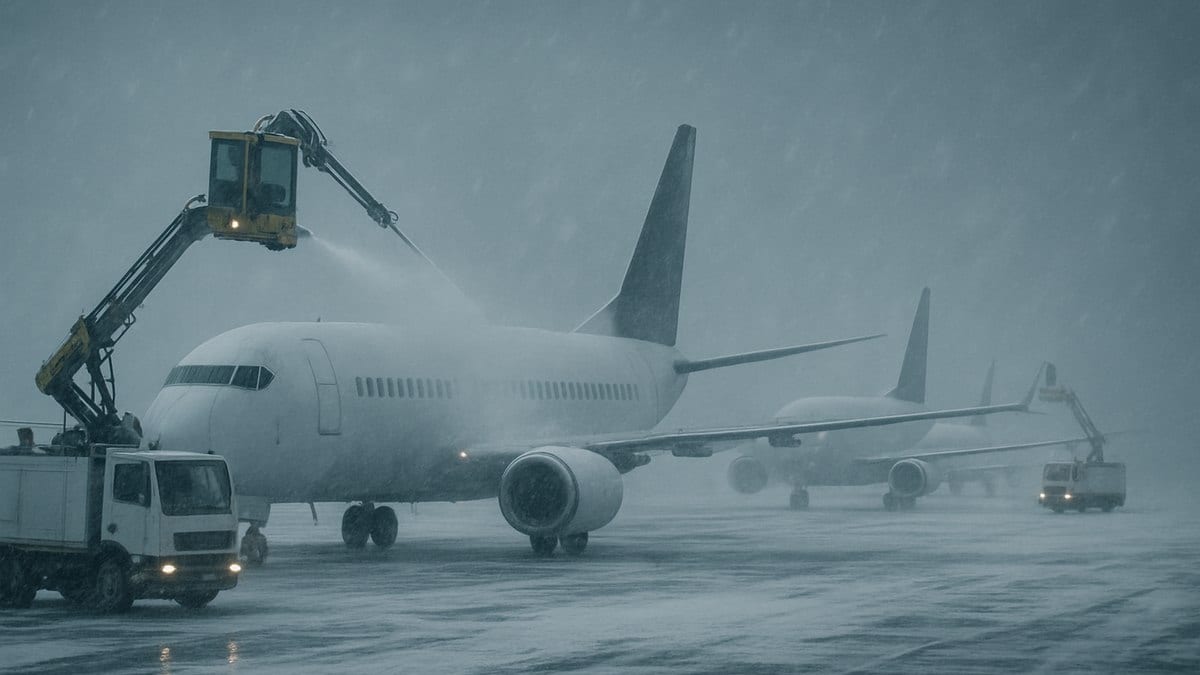
Stormy Easter skies snarl Canada’s busiest hubs
Publicly available flight tracking data and airport status boards for Easter Sunday and Easter Monday indicate that Canadian airports recorded more than 400 delayed flights and over 80 cancellations as snow, freezing rain and low visibility swept across large parts of the country. The timing coincided with one of the busiest travel periods of the spring, creating a sharp mismatch between demand and the ability of airlines and airports to keep aircraft moving on schedule.
Toronto Pearson, Vancouver International, Montreal Trudeau and Calgary International faced the heaviest pressure as storm systems moved in over the long weekend. Reports indicate that rolling ground stops, de-icing backlogs and runway inspection cycles slowed departures and forced aircraft to hold for long stretches, eroding already tight Easter timetables.
Additional data compiled after the holiday period show that by Easter Monday, winter weather across seven key airports, including Ottawa, Halifax and Quebec City, had triggered at least 82 cancellations and more than 420 delays. The figures highlight how quickly a single late-season storm can translate into hundreds of disrupted flights once aircraft rotations, crew schedules and connecting itineraries begin to unravel.
Passengers face missed connections and overnight stays
Across the network, the disruption translated into long queues, missed connections and unexpected overnight stays for passengers trying to return home or start post-holiday trips. Published coverage from Canadian outlets described scenes of crowded check in halls and departure lounges as travelers sought rebooking options or tried to retrieve bags from cancelled flights.
At major hubs such as Toronto and Montreal, the combination of weather related delays and high passenger volumes appears to have created a cascade effect. When morning departures pushed back, inbound aircraft arrived late for their next rotations, forcing airlines to reshuffle aircraft and crews throughout the day. The result was that even flights scheduled well outside the heaviest snowfall bands experienced knock on delays.
Travel advisories issued over the weekend urged passengers to monitor flight status tools and allow extra time at the airport. Industry observers note that the pattern has become familiar in recent Canadian winters, with travelers increasingly encouraged to build in buffer days around peak holidays when storms are in the forecast.
Weather pressures expose fragile winter operations
The Easter meltdown follows a season marked by repeated winter weather events that have tested Canadian aviation infrastructure. Earlier in 2026, severe cold snaps and heavy snowfalls prompted hundreds of cancellations at Toronto Pearson and other hubs, and a series of late winter storms in March and early April had already stressed airline operations before the Easter period began.
According to analysis published by aviation and travel industry outlets, even modest increases in de-icing time per aircraft can ripple through tightly scheduled hubs, especially when runways require frequent clearing and visibility drops below operating minimums. For carriers operating complex networks that rely on quick turnarounds and high aircraft utilization, the margin for absorbing a multi day storm system is limited.
Operational data from recent months suggest that legacy airlines have seen particular pressure on on time performance as they balance safety margins, crew duty limits and aircraft positioning against high seasonal demand. Low cost carriers have pointed to comparatively resilient completion rates on some days, but they too have been forced to trim schedules or consolidate flights when weather systems linger over key corridors.
Regulatory frameworks and passenger rights under scrutiny
The wave of Easter weekend disruptions has once again brought Canada’s air passenger protection framework into focus. Publicly available guidance from consumer advocates emphasizes that compensation for delays and cancellations depends heavily on whether the disruption is within airline control or caused by exceptional circumstances such as severe weather or air traffic constraints.
In weather driven events like the Easter storm, most cancellations fall into categories where airlines are required to provide rebooking and certain standards of care, but not automatic monetary compensation. This distinction has drawn criticism from some traveler groups, which argue that highly constrained winter operations and chronic staffing or fleet pressures should not leave passengers bearing the full cost of repeated holiday breakdowns.
Legal and policy experts following the sector note that Canada’s regulations have undergone several rounds of adjustment since the pandemic as lawmakers attempt to balance consumer protection with the financial realities of running large airline networks in a country prone to harsh weather. The latest bout of Easter chaos is expected to feed into ongoing debates about whether further rule changes are needed ahead of future peak travel periods.
North American ripple effects and recovery timeline
The Canadian disruptions formed part of a broader Easter travel crunch across North America, where severe spring storms and heavy demand triggered tens of thousands of delays and thousands of cancellations in the United States. Cross border connections were particularly vulnerable as flights linking Canadian hubs with major U.S. gateways encountered rolling weather systems and congested airspace.
Reports from travel monitoring services indicate that recovery efforts are likely to extend several days beyond the official holiday. Airlines must reposition aircraft and crews that were left out of place by cancellations, while airports clear residual backlogs of passengers whose original itineraries broke down over the weekend.
Aviation analysts observe that this Easter’s storm related chaos underscores the limited flexibility built into modern airline schedules, especially at hubs that already operate near capacity. With climate models pointing to increased weather volatility in the coming years, pressure is growing on carriers, airports and regulators to invest in more resilient operations, clearer communication tools and contingency planning that can better protect travelers when the next holiday storm arrives.