

More news on this day
Canada is set to be one of the standout spring destinations for U.S. travelers in 2026, as new safety indices place the country among the top 20 safest places to visit across the Americas and Caribbean at a moment when security concerns in the Middle East are forcing many Americans to redraw their travel maps.
Get the latest news straight to your inbox!
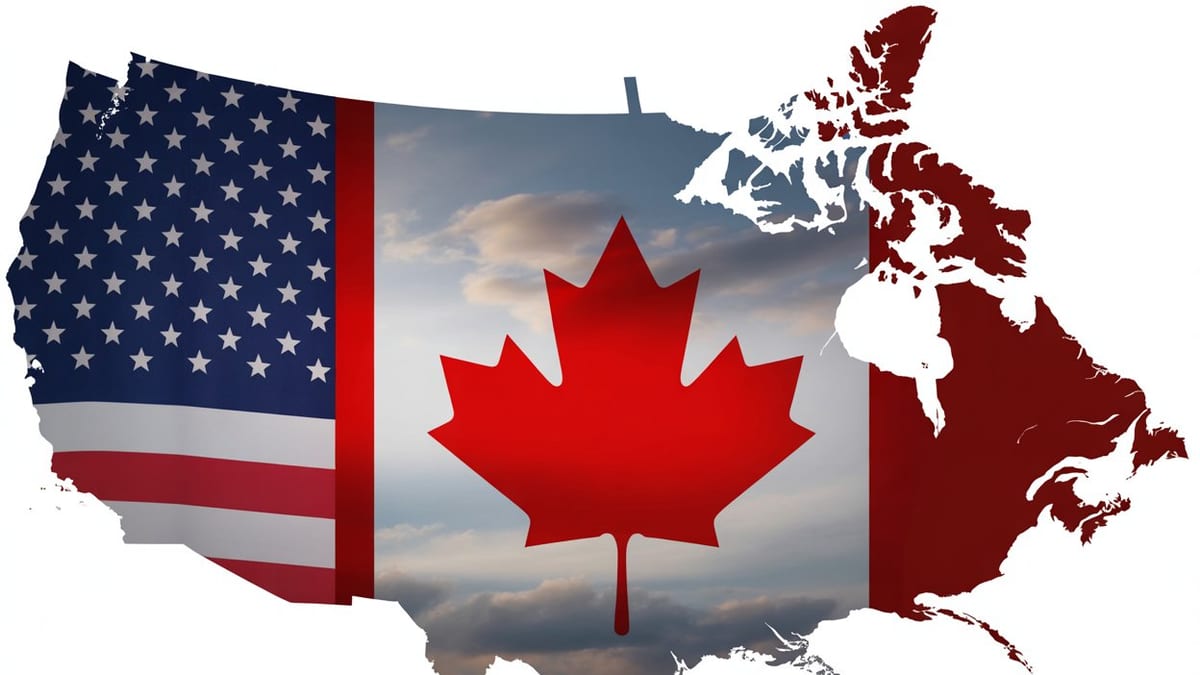
Image by Travel And Tour World
Safety Rankings Reshape the Americas Travel Map for 2026
Recent travel safety and peace indices for 2025 and 2026 show Canada consolidating its status as one of the world’s most secure destinations, and the clear safety leader in North America. Composite rankings that combine Global Peace Index data, terrorism risk, crime statistics and traveler perception surveys consistently position Canada in the global top tier for overall safety, while placing it in the top 20 within the wider Americas and Caribbean region when measured against popular sun, city and adventure destinations.
By contrast, large regional competitors such as the United States, Dominican Republic, Bahamas, Argentina and Panama typically fall into lower safety bands due to higher violent crime rates, pockets of political volatility, or elevated terrorism and disaster vulnerability. Publicly available data from research groups monitoring peace and terrorism, as well as private-sector travel risk assessments, increasingly describe Canada as a “low-risk” country for visitors, while classifying many other Western Hemisphere destinations as “medium risk” because of localized security and crime concerns.
The shift is especially notable given that several Caribbean and Latin American destinations continue to attract strong tourism numbers despite ongoing security challenges. While they remain popular with U.S. vacationers, a widening gap between perceived value and perceived safety is emerging, with Canada now positioned as the default “safe bet” choice for risk-averse travelers planning 2026 itineraries.
Within the Americas-focused breakdowns of newer travel safety indices released in late 2025 and early 2026, Canada regularly appears at or near the top of regional tables, with analysts highlighting low homicide rates by regional standards, relatively modest political unrest, robust institutions and limited exposure to terrorism. This combination has helped Canada overtake regional tourism competitors on safety alone, even if they retain advantages on price or winter-sun appeal.
What Puts Canada Ahead of the Pack for Visitor Safety
Underlying Canada’s rise in the rankings are several long-standing structural advantages now coming into sharper focus for international travelers. Large, mid-density cities, comparatively low violent crime, strong health infrastructure and a reputation for predictable public services combine to create a sense of everyday security for visitors. Tourism-focused reports also note that Canada’s natural disaster profile, while not negligible, is generally less acute than that of many coastal and island destinations exposed to hurricanes and severe tropical storms.
Canada’s positioning in global peace and terrorism indices reinforces this picture. These benchmarks track factors such as internal conflict, political terror, militarization and the incidence of terrorist attacks. Canada routinely scores in the “very high” peace and “low terrorism risk” categories, placing it ahead of many of its regional peers. Travel risk consultancies that publish country-level scores for insurers and corporate travel planners often cite these underlying indicators when classifying Canada at the lower end of their risk scales.
For leisure travelers, the practical impact is visible in the day-to-day experience. Major tourist gateways such as Vancouver, Toronto, Montreal, Calgary and Quebec City are widely described in industry analyses as having well-developed visitor infrastructure, efficient emergency services and mature public-transport systems, all of which contribute to perceived safety. While analysts still advise routine precautions against petty crime in busy downtown areas, Canada is regularly contrasted with destinations where visitors must manage higher risks around armed robbery, road safety or corruption.
This advantage extends to regional and nature-based travel, which is expected to be a major draw in 2026 as demand for outdoor-focused itineraries remains strong following the pandemic era. National parks, ski resorts and wilderness lodges are frequently promoted in travel risk literature as environments where carefully managed operations and regulated adventure tourism standards further reduce safety concerns.
Middle East Turbulence Sends U.S. Travelers Looking North
Canada’s strengthened safety image is emerging just as conditions in the Middle East are deteriorating for foreign visitors. In March 2026, the U.S. government issued sweeping warnings urging American citizens to leave multiple countries across the region due to escalating conflict and security threats. The advisory, which referenced serious safety risks tied to ongoing hostilities, has effectively frozen many Americans’ plans for spring and early-summer travel to longstanding favorites such as Egypt, Jordan and Gulf hubs.
These heightened warnings follow several years in which parts of the Middle East had been working to rebuild tourism after the pandemic, investing in large-scale attractions and marketing campaigns aimed at Western travelers. Industry analysts now suggest that the 2026 peak season for the region has been severely compromised, with tour operators reviewing itineraries, airlines adjusting capacity and many Americans opting for destinations perceived as more stable.
In this environment, Canada’s risk profile stands out. Travel advisory notices from Washington continue to classify Canada at the lowest concern levels, with guidance emphasizing routine caution rather than any specific or elevated threat. For U.S. citizens suddenly hesitant about long-haul trips to high-alert regions, the ability to reach Canada on relatively short flights, or even by car in some border states, is becoming a key selling point for spring and early-summer holidays.
Industry commentary points to a likely rebalancing of outbound U.S. demand in 2026 toward “near but safe” destinations. Canada, together with a handful of lower-risk European countries, is expected to absorb some of the bookings diverted from the Middle East, especially for culturally focused city breaks and nature-oriented trips originally planned around desert or Red Sea resorts.
Spring 2026: Practical Planning Signals for U.S. Tourists
For American travelers planning spring 2026 vacations, the emerging safety landscape suggests a pragmatic recalibration rather than a complete halt to international travel. Tourism market reports indicate that many U.S. consumers are now weighing destination choices more heavily on security than on price alone, particularly for family trips. In this decision matrix, Canada appears as a straightforward, lower-friction option compared with regions under stricter advisories.
Travel planners highlight several advantages that are becoming more prominent in consumer-facing messaging: straightforward entry procedures for most U.S. visitors, widespread use of English, recognized hotel brands, and health systems that rank highly in global comparisons. For risk-conscious travelers, these elements can be just as important as headline safety scores, because they reduce uncertainty if minor issues or disruptions occur during a trip.
Analysts also note that exchange rate movements and broader economic trends are interacting with safety considerations. While some popular Caribbean and Latin American destinations can still offer lower on-the-ground costs, volatility in local currencies and periodic political unrest are prompting a subset of U.S. travelers to prioritize predictability. Canada’s stable financial environment and close economic integration with the United States add an additional layer of comfort for those worried about sudden policy or security shifts abroad.
Travel insurance data, where available, supports the notion that safety concerns are directly shaping behavior. Providers report increased interest in policies that allow destination changes or trip re-routing in response to new advisories. With Canada rated as a low-risk alternative by many of the same underwriters, it is likely to feature prominently in campaigns encouraging travelers to “pivot, not cancel” their 2026 plans.
Competition With U.S. and Regional Neighbors Intensifies
Canada’s position at the front of the regional safety pack also has competitive implications for its neighbors. The United States, Dominican Republic, Bahamas, Argentina and Panama all remain major magnets for international tourism, but their risk profiles are more complex. Persistent concerns around violent crime in certain U.S. cities and border regions, elevated homicide rates in parts of the Caribbean, and periodic political or economic disruptions in Latin America all weigh on their scores in composite safety indexes.
Destination marketing organizations in these countries are responding by emphasizing localized improvements, tightly managed resort zones and investments in security around key tourist corridors. However, travel risk analysts caution that broad national-level scores are often the first filter used by cautious travelers and corporate travel managers, which can tilt initial consideration in favor of countries like Canada that appear consistently near the top of safety rankings.
At the same time, Canadian tourism authorities face their own challenges in converting safety credentials into sustained visitor growth. The severe North American cold wave in early 2026 highlighted the country’s exposure to extreme winter weather, which can disrupt transportation and affect trip satisfaction. To capitalize on heightened interest from U.S. travelers, particularly in the spring shoulder season, industry observers suggest that Canadian destinations will need to underscore the reliability of infrastructure, as well as the appeal of milder conditions as winter recedes.
Looking ahead to the remainder of 2026, travel analysts expect safety considerations to remain central to destination choice across the Americas and Caribbean. With geopolitical tensions high in other parts of the world, Canada’s ability to pair strong safety credentials with diverse city, nature and cultural experiences is likely to keep it at the forefront of itineraries for U.S. tourists recalibrating their spring and summer travel plans.