

More news on this day
Canada has tightened its 2026 travel advisories for a growing list of high‑traffic destinations, with Jamaica now singled out alongside the United States, Mexico, the Dominican Republic, the Bahamas, Spain, Italy, the United Kingdom and other popular hotspots for heightened safety risks, stricter passport rules and evolving global entry restrictions.
Get the latest news straight to your inbox!
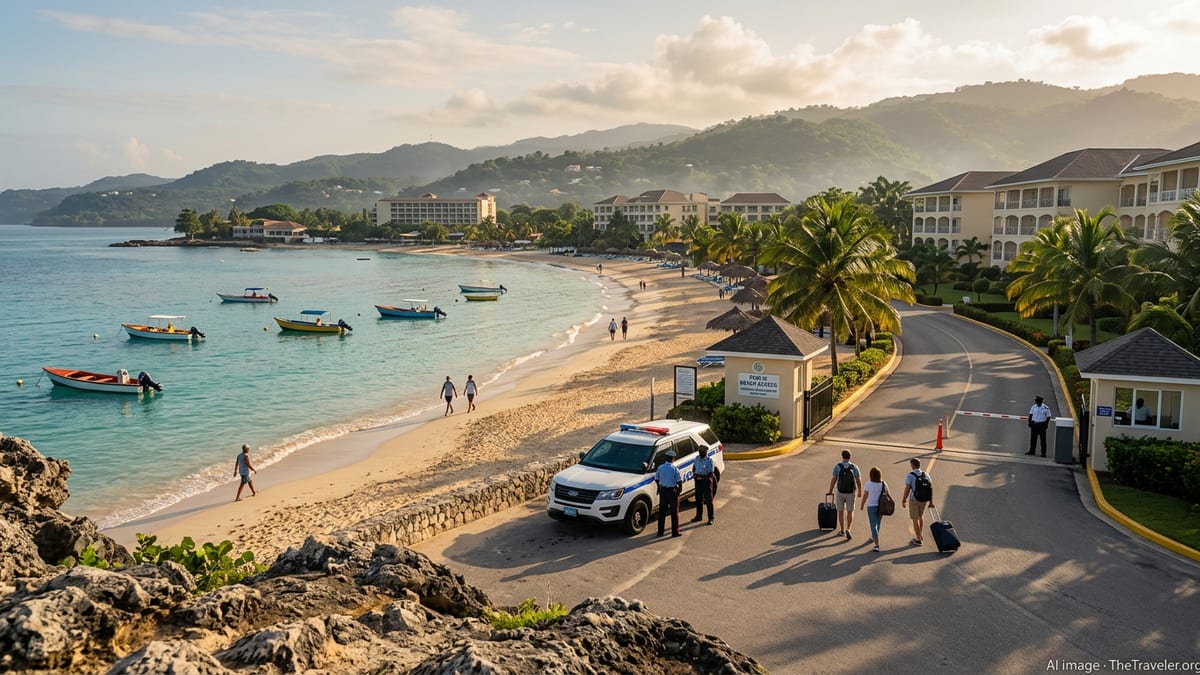
Jamaica’s New Status in Canada’s 2026 Risk Map
Recent updates to the Government of Canada’s official travel advice page for Jamaica instruct Canadians to exercise a high degree of caution due to a persistently high level of violent crime, particularly outside major tourist enclaves. Publicly available information points to ongoing problems with gun violence, armed robbery and gang activity in parts of Kingston, Montego Bay, St. Catherine and Clarendon, even as overall crime indicators have improved compared with previous years.
The advisory underscores that serious incidents can occur in areas frequented by visitors, including resort corridors and routes between airports and hotels. Analysts note that while most trips remain trouble free, the combination of localized gang conflicts, opportunistic crime and occasional states of emergency has prompted Canada to keep Jamaica in a higher‑risk category for 2026.
Canada’s messaging comes shortly after the United States lowered its own Jamaica advisory to a Level 2 “exercise increased caution” rating in January 2026, reflecting some improvement in security conditions. For Canadian travelers, however, the key shift is not a dramatic downgrade or upgrade, but more explicit language about where risks are concentrated and how quickly circumstances can change in specific parishes and neighborhoods.
How Jamaica Compares With Mexico, the Bahamas, Spain, Italy and the UK
The Jamaica update lands amid a wider recalibration of Canada’s 2026 travel guidance for top leisure routes. Mexico, the Dominican Republic and the Bahamas continue to draw millions of Canadians each year, but their advisories now place more emphasis on violent crime, tourist scams and, in some cases, infrastructure strains in resort cities and port areas. Cities such as Cancún, Puerto Vallarta and Nassau are repeatedly cited in recent media coverage for security operations, targeted violence and emergency police deployments.
Farther afield, European favorites including Spain, Italy and the United Kingdom are not flagged at the same crime level as some Caribbean destinations, but they appear in Canadian travel alerts for different reasons. Publicly available summaries reference localized protests, petty theft in urban centers, crowding and infrastructure pressure in transport hubs, and evolving entry rules tied to new European border systems planned for mid‑decade. For many Canadian travelers, this means that even “familiar” countries now require closer review of official advisories before departure.
The United States also features in Canada’s 2026 risk landscape, not because of blanket warnings against travel, but due to regional security variations, extreme weather events and border processing issues that can disrupt itineraries. The cumulative effect is that Jamaica is no longer an outlier; instead, it is part of a broad cluster of destinations where Canadian authorities urge heightened awareness, careful planning and flexible bookings.
Passport Validity, Documentation and Airport Screening Changes
Alongside security assessments, passport and documentation rules are emerging as a major pain point for Canadian travelers to Jamaica and other flagged destinations. Public guidance from Jamaica indicates that Canadian visitors generally need only a passport valid for the duration of their stay, yet recent airline communications and traveler reports describe carriers insisting on six‑month validity as a condition of boarding. This mismatch between national rules and airline practices has led to confusion at check‑in counters.
Experts on international travel regulations note that carriers rely on commercial databases and err on the side of caution to avoid fines for transporting inadmissible passengers. As a result, Canadians heading to Jamaica, Mexico or the Dominican Republic in 2026 are being advised in media coverage and online forums to check both official government guidance and airline‑specific policies, and to renew passports early if they are within six to nine months of expiry.
At the same time, Canadian travelers are encountering tighter screening at foreign airports, especially in countries where security forces have expanded powers under states of emergency or anti‑crime drives. Bag checks, ID verification and random questioning can be more frequent in Jamaican airports and on roads linking resorts to urban centers. While these measures are generally framed as crime‑prevention tools, they can lengthen transit times and increase the importance of allowing generous buffers when connecting to international flights.
Global Entry, Electronic Systems and Changing Border Rules
Canada’s latest advisories also sit against a backdrop of shifting global entry systems that affect how easily Canadians can reach the destinations now flagged for higher caution. In North America, programs such as NEXUS and trusted traveler initiatives continue to streamline border crossings for pre‑approved passengers, but travelers are reminded that holding such status does not override country‑specific security advisories or local emergency measures.
Looking ahead, European plans to roll out new electronic travel authorization and border‑entry systems will add another layer for Canadians visiting Spain, Italy, the United Kingdom and other European states. Even though these programs are designed primarily for security and migration management, they introduce additional pre‑departure data checks and may require travelers to apply and pay for authorization before boarding flights.
Within the Caribbean, some governments have modernized digital arrival forms and immigration kiosks, while retaining strict control over entry conditions, proof of onward travel and accommodation details. In Jamaica, Mexico, the Bahamas and the Dominican Republic, travelers can expect closer scrutiny of return tickets, proof of funds and compliance with allowed length of stay, particularly during peak seasons when border queues are long and staffing is stretched.
What Canadian Travelers Should Do Before Booking Jamaica and Other Flagged Destinations
Travel industry commentary suggests that the new round of Canadian advisories is less about discouraging vacations altogether and more about pushing travelers toward informed, realistic risk management. For Jamaica, that starts with reviewing the detailed regional breakdowns in the official advisory, noting any neighborhoods, parishes or roadways that are subject to curfews, enhanced police operations or repeated crime incidents, and then selecting resorts and tour operators that maintain robust security protocols.
Canadians are also encouraged by consumer advocates to reassess insurance coverage in light of advisory levels. Some policies exclude claims if travelers visit areas under certain categories of warning or ignore explicit guidance about avoiding particular districts. With Jamaica, Mexico and parts of the Bahamas now falling under more emphatic wording, verifying how an insurer interprets the advisory has become a key step before final payment.
Finally, the passport and border‑rule environment means travelers should build extra time into every stage of the journey. Renew documents early, confirm airline interpretations of entry rules, register trip details with Canadian consular services and monitor advisories up to the day of departure. For Canadians heading to Jamaica and the broader list of newly highlighted destinations in 2026, the message is clear: spontaneous sun‑seeking is still possible, but it now requires a far more deliberate and well‑documented approach.