

More news on this day
Canada has broadened its global travel advisories to include Italy alongside Brazil, the United Kingdom, Colombia, France, Turkey, Guatemala and several other destinations, reflecting heightened concern over fast-changing security risks, disruptive protests and increasingly strict passport and entry rules affecting Canadian travelers in 2026.
Get the latest news straight to your inbox!
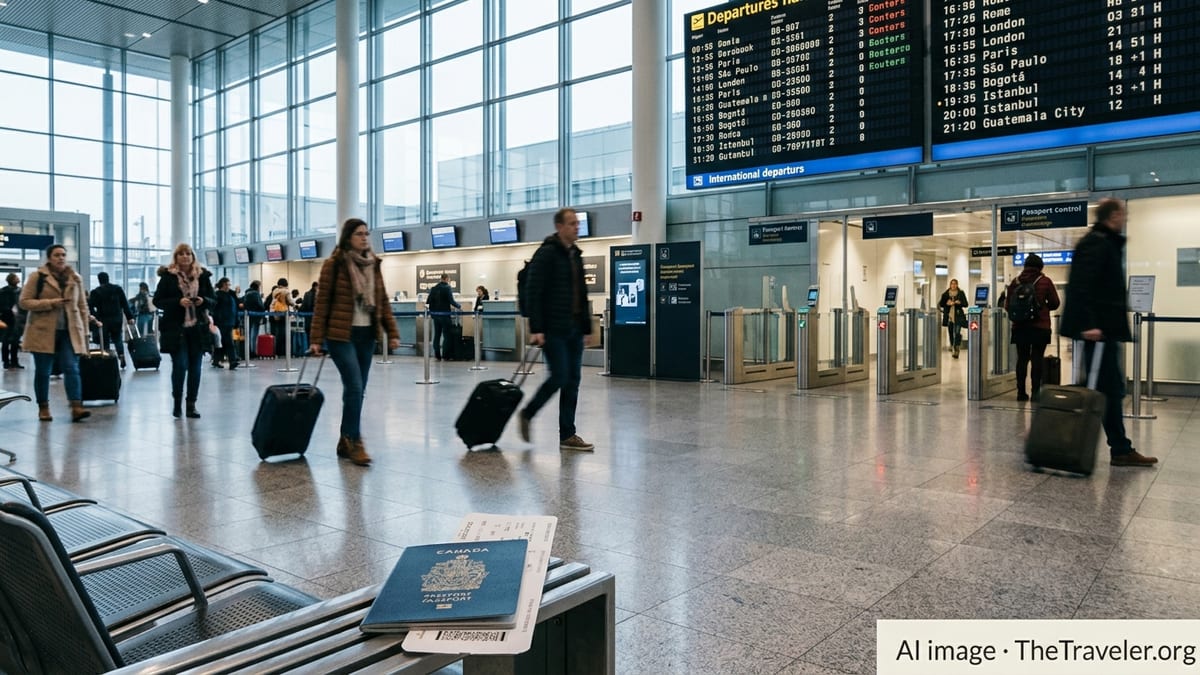
Broader Risk Map Signals a More Cautious Stance
Recent updates to Canada’s official travel guidance show a wider group of popular destinations now flagged for Canadians to "exercise a high degree of caution," with Italy joining countries such as Brazil, the United Kingdom, Colombia, France, Turkey and Guatemala that already carried similar warnings for a mix of safety and operational reasons. Publicly available risk mapping for 2026 illustrates a denser cluster of medium and higher-risk ratings across Europe and Latin America, underscoring how political tensions, civil unrest and crime continue to shape official advice.
In Europe, countries typically perceived as low risk, including Italy, France and the UK, are now more frequently highlighted for localized security concerns, demonstrations and crowd-related incidents that can quickly spill into tourist districts or disrupt transport networks. In Latin America, Brazil, Colombia and Guatemala are flagged for elevated levels of crime and occasional political instability, with Canadian guidance emphasizing the importance of situational awareness, especially outside major resort areas.
Travel security assessments used by insurers and corporate security providers also show a more fragmented global picture, with some regions downgraded or placed under tighter watch in the past year. For leisure travelers, this means that destinations which once required only routine preparation may now demand closer review of neighbourhoods, transit routes and timing, particularly when planning evening activities or overland journeys.
Escalating Safety Concerns and Localized Unrest
Safety concerns driving these advisories range from street crime and scams to larger-scale unrest that can affect airports, ports and rail hubs. In South America, reports indicate persistent risks of armed robbery and opportunistic theft in major cities in Brazil and Colombia, along with occasional roadblocks or strikes that can delay or reroute overland travel. Travelers are urged by publicly available guidance to be especially careful when arriving at airports, using ATMs and moving between city centers and tourist areas.
In parts of Central America, including Guatemala, Canadian and other foreign advisories highlight a combination of gang-related violence, carjackings and incidents on intercity roads, which can be particularly concerning for independent travelers or those relying on overnight buses. While many visitors complete their trips without incident, updated government notices encourage choosing reputable transport providers, avoiding isolated routes after dark and monitoring local news for sudden security shifts.
Across Europe, demonstrations linked to political issues, labor disputes and international conflicts have become more frequent in cities such as Rome, Milan, Paris and London. According to published coverage, protest activity is often announced in advance but can still cause sudden closures of metro stations, delays at airports and congestion around central squares and government districts. Canadian notices increasingly stress that even peaceful gatherings can turn confrontational, and that travelers should keep distance from large crowds and factor potential disruption into daily plans.
Passport Validity Rules Tighten for Europe and Beyond
Alongside security considerations, stricter passport rules are reshaping how Canadians plan trips to Europe, South America and the Middle East. For Italy and other Schengen Area countries, Canadian travelers must ensure their passports generally remain valid for at least three months beyond the intended date of departure from Europe, although many airlines and tour operators recommend a six-month buffer to avoid boarding issues. Schengen states also enforce the familiar 90-days-in-180 rule for short stays, which has caught some long-term travelers unaware.
European regulations are gradually phasing out older national ID formats and tightening document security standards, part of a broader move toward biometric verification and digital checks at the border. Publicly available documents for cruise and air passengers show carriers emphasizing that passports must be in good physical condition, machine-readable and compliant with updated regional regulations, with damaged or nearly expired documents more likely to trigger secondary screening or denial of boarding.
Outside Europe, several countries have also firmed up minimum validity requirements, with six months of remaining passport validity becoming a de facto standard for entry in much of Latin America, parts of the Caribbean and segments of Asia and the Middle East. Canadian advisories now routinely highlight these conditions in their country-specific pages, warning that border officials can refuse entry even with a valid ticket and hotel booking if a passport falls short of local rules.
Changing Entry Systems: Visas, ETAs and New Digital Checks
Entry systems are also in flux in a number of the countries now grouped together in Canada’s latest guidance. Brazil has moved ahead with the reinstatement of visa requirements for some nationalities after several postponements, part of a broader trend of reciprocity and tighter screening for inbound travelers. While these changes have primarily affected citizens from countries that require visas from Brazilians, they illustrate how previously visa-free routes may no longer be straightforward for some visitors and tour operators.
In the United Kingdom, a phased rollout of a new Electronic Travel Authorisation scheme is underway, with reports indicating that citizens of dozens of previously visa-exempt countries will need to secure advance digital approval before boarding flights or ferries. This places the UK in line with similar systems operated by Canada and the United States, and will require travelers to apply online, pay a fee and receive confirmation prior to departure, even for short tourism or transit stays.
Europe’s long-discussed ETIAS pre-travel authorization system, intended for visa-exempt visitors to the Schengen Area, continues to move forward on a delayed timeline, with implementation now expected toward the end of 2026 according to recent public updates. Although Canadians currently remain visa-free for short stays in Italy, France and other Schengen countries, they are likely to face an additional digital formality and fee once ETIAS becomes operational, bringing new lead-time and documentation checks into trip planning.
What Canadian Travelers Should Do Now
For Canadians considering trips to Italy, Brazil, the UK, Colombia, France, Turkey, Guatemala and other destinations under heightened advisory, the evolving landscape does not necessarily mean cancelling travel, but it does call for more meticulous preparation. Official Canadian advisories recommend reviewing country pages shortly before departure, registering trips when possible and staying informed about regional issues that may not be visible from national-level summaries.
Travel specialists suggest building extra flexibility into itineraries to accommodate strikes, protests or weather-related disruptions, particularly when connecting through major hubs in Europe and Latin America. Booking refundable or changeable tickets where feasible, allowing generous layover times and avoiding the tightest same-day connections between international flights and rail departures can reduce stress if disruptions occur.
On the documentation side, travelers are being encouraged to check passport validity well in advance, verify whether any new visa or electronic authorization applies to their nationality and keep digital and printed copies of key documents in separate locations. As digital border systems expand and airlines face penalties for transporting improperly documented passengers, check-in and boarding staff are likely to scrutinize paperwork more closely.
The widening scope of Canada’s travel advisories highlights how quickly the conditions for international trips can change, even to familiar destinations. For many Canadians, successful travel in 2026 and beyond will rely less on last-minute spontaneity and more on careful reading of entry rules, close tracking of local developments and realistic expectations about potential delays along the way.