

More news on this day
A powerful late-season winter storm has triggered a fresh wave of air travel disruption across Canada, with more than 400 flights delayed or cancelled as snow, freezing rain and high winds battered major airports from Toronto to Vancouver over the Easter travel period.
Get the latest news straight to your inbox!
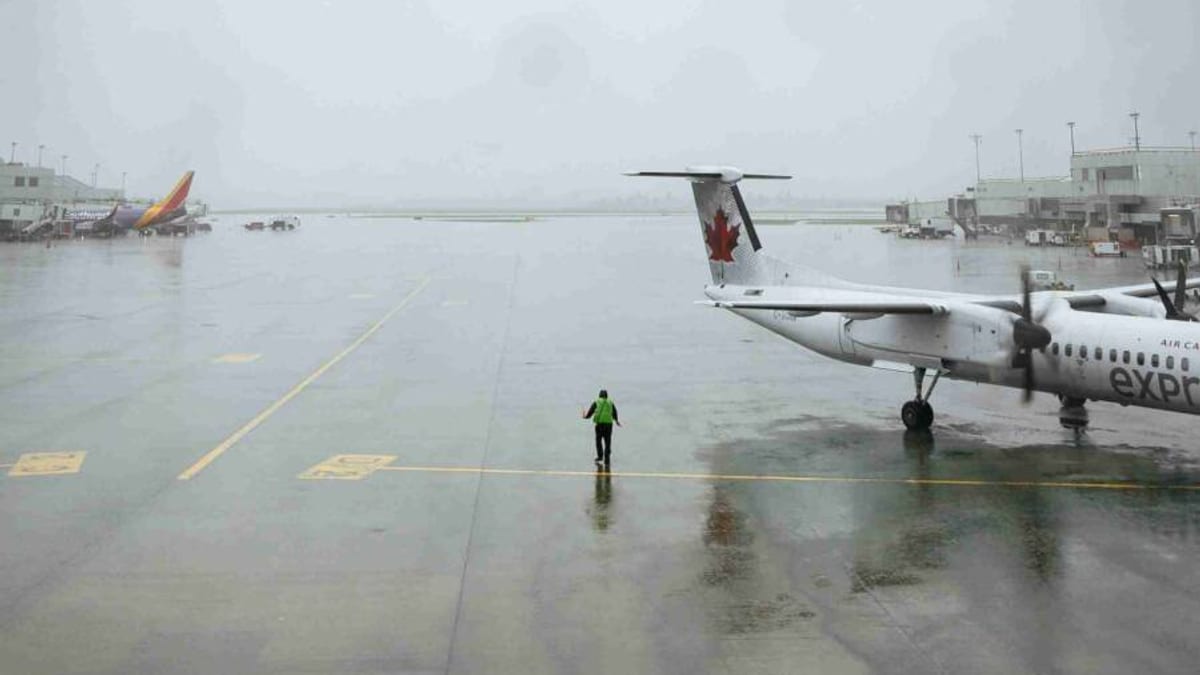
Storm Slams Major Canadian Hubs
The latest bout of winter weather intensified over the Easter weekend and into April 5 and 6, 2026, disrupting operations at many of the country’s busiest airports. Publicly available flight-tracking data and industry reports indicate that at least 82 flights were cancelled and more than 420 delayed across major hubs including Toronto Pearson, Montreal Trudeau, Vancouver, Calgary, Ottawa, Halifax and Quebec City as wintry conditions reduced runway capacity and slowed ground operations.
Toronto Pearson, Canada’s largest and busiest airport, again emerged as a focal point of the disruption. Reports from aviation and travel outlets describe heavy snowfall, icy surfaces and low visibility that complicated de-icing procedures and forced airlines to thin out schedules. Delays cascaded through the day as aircraft and crew fell out of position, creating knock-on effects for connecting flights across domestic and transborder networks.
In Montreal and Quebec City, a mix of snow, freezing rain and gusty winds added to the operational strain. Runway clearing, aircraft de-icing and the need for greater separation between arrivals and departures slowed traffic flows. Westward, Vancouver and Calgary faced their own bouts of snow and freezing conditions, illustrating how a single widespread system can simultaneously pressure airports thousands of kilometres apart.
Regional and smaller airports were not spared. Halifax and other Atlantic gateways experienced intermittent closures and restricted operations as bands of snow and ice moved through, while northern and remote airports reported equipment challenges and limited visibility, further tightening the country’s already stretched winter schedules.
Airlines Confront Another Difficult Winter
The surge in grounded and delayed flights has added to what has already been a difficult 2025–26 winter season for Canadian carriers. Published coverage from aviation and travel industry publications shows that major airlines such as Air Canada, WestJet and Porter, along with regional operators, have repeatedly scaled back schedules in response to storms, cold snaps and rapidly changing conditions since January.
On the weekend of April 5, Air Canada recorded some of the highest numbers of cancellations and delays among Canadian airlines, according to several flight-disruption tallies compiled from airport boards and tracking services. WestJet experienced extensive delays on key domestic routes linking Toronto with Calgary and Vancouver, while Porter and regional affiliates such as WestJet Encore and PAL Airlines reported comparatively fewer cancellations but significant hold-ups across their networks.
Analysts following the sector note that weather-related disruption has exposed persistent vulnerabilities in Canada’s aviation system. A combination of tight crew scheduling, limited spare aircraft and busy hub-and-spoke networks means that even a modest reduction in airport capacity can quickly ripple into large numbers of delayed flights. When storms are widespread, as during the Easter period, there is little slack elsewhere in the system to absorb the shock.
The cumulative effect has been a winter marked by repeated waves of disruption, from January’s severe cold and snow events to late-season storms in March and early April. For airlines, each episode adds cost in the form of fuel for extended taxiing, staffing, de-icing and passenger care, while also complicating efforts to restore operating reliability heading into the busy spring and summer travel periods.
Passengers Face Long Delays and Limited Options
For travelers, the immediate impact of the latest storm system has been measured in hours spent in terminals and unexpected overnight stays. Reports from travel industry sites and local media describe crowded departure halls, long rebooking lines and families scrambling to adjust plans as flights slipped further behind schedule or disappeared from departure boards altogether.
With aircraft and crews out of position, same-day alternatives on popular city pairs quickly evaporated. Passengers on short-haul routes often had to choose between accepting long delays, rerouting through other hubs or postponing travel by a day or more. On longer-haul and international services, limited seat availability meant that some travelers faced rebookings that stretched into later in the week.
The situation was particularly challenging for those connecting through Canadian hubs from smaller communities or international origins. Missed connections in Toronto, Montreal or Vancouver frequently left travelers with no immediate onward options, especially late in the evening when remaining departures had already been consolidated or cancelled in anticipation of worsening weather.
Passenger-rights information shared by regulators and consumer advocates in recent years has heightened awareness of what travelers can request when flights are disrupted, but winter storms still occupy a gray area that can limit compensation. As a result, many affected passengers have focused on securing timely rebookings, meal vouchers and accommodation rather than pursuing longer complaint processes at a time when they are simply trying to reach their destinations.
Late-Season Storm Highlights Systemic Weather Risk
The April surge in flight disruptions underscores how vulnerable modern air travel remains to extreme and increasingly erratic weather. The latest storm followed a series of winter events that have already tested Canada’s aviation infrastructure, including record-breaking snowfall around Toronto in January and repeated blasts of Arctic air that pushed temperatures far below seasonal norms in multiple provinces.
Insurance and risk-industry analysis published in recent days points to the Easter period disruptions across North America, including in Canada, as another example of how severe storms are multiplying the operational and financial risks borne by airlines, airports and travel providers. Weather-related shocks are not new, but their frequency and geographic spread this season have amplified concerns about system resilience.
Observers note that Canadian airports and airlines have long experience operating in winter conditions, with extensive investment in snow-clearing fleets, de-icing capacity and cold-weather procedures. What appears to be shifting is the intensity and timing of storms, which are increasingly striking at peak travel periods and lingering longer than forecast, complicating efforts to pre-emptively adjust schedules and minimize passenger disruption.
The April weather pattern also arrived at a time when airlines continue to manage staffing constraints and tight aircraft availability. In this environment, the margin for error is thin, and even short-lived weather episodes can result in a disproportionate level of cancellations and delays, particularly when they hit multiple hubs simultaneously.
What Travelers Can Expect in the Coming Days
Forecasts indicate that conditions should gradually improve through the week as the late-season storm system moves out of central and eastern Canada. However, industry reporting suggests that lingering effects on schedules may persist for several days while airlines reposition aircraft and crews. Travelers with flights in the first half of the week are being advised, through publicly available airline and airport communications, to monitor their itineraries closely.
Carriers have been encouraging customers to use digital channels to check in, confirm flight status and, where necessary, change bookings. Some airlines have introduced flexible travel policies around the affected dates, allowing passengers to adjust plans without standard change fees, provided they travel within a specified window and maintain the same origin and destination.
Airport authorities and ground-handling providers are expected to continue prioritizing snow and ice removal, de-icing operations and safe runway management in the short term. While that focus may limit capacity during peak hours until conditions stabilize, it is aimed at restoring more predictable operations and reducing the likelihood of further weather-related incidents as temperatures fluctuate around the freezing mark.
For now, the latest round of disruptions has reinforced a familiar message for anyone flying in or through Canada at the tail end of winter. Late-season storms remain a significant threat to travel plans, and even as spring approaches, passengers are likely to face ongoing bouts of weather-related turbulence in the country’s skies and on the ground.