

More news on this day
Travelers across Canada are facing another day of severe air travel disruption as 275 flights were delayed and 41 cancelled today, affecting major hubs such as Montreal, Toronto and Quebec City, as well as smaller and remote airports including Kuujjuaq and Gaspe, with services on Air Canada, Air Inuit, WestJet, Jazz, PAL Airlines and other carriers all impacted.
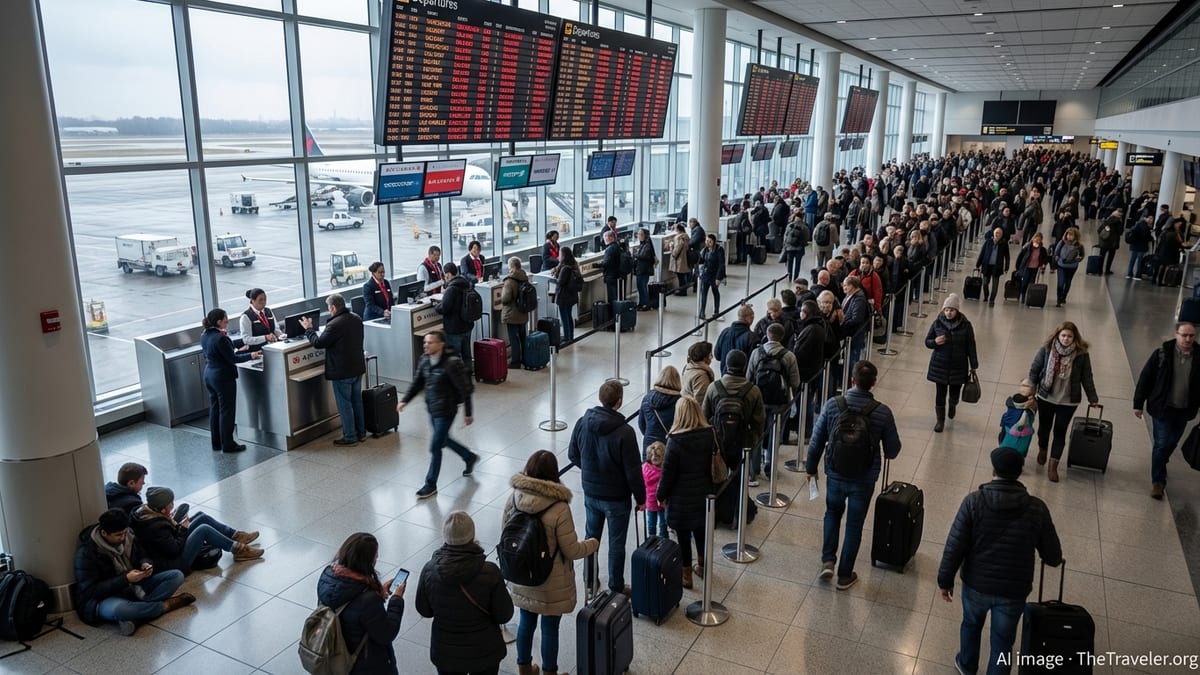
Airports From Toronto to Kuujjuaq See Widespread Disruption
Flight data for Sunday, March 2, shows Canada’s aviation network under heavy strain, with delays and cancellations rippling from the country’s busiest hubs to isolated northern communities. Toronto Pearson and Montreal Trudeau have borne the brunt of the disruption, but regional gateways in Quebec and Nunavik have also seen schedules unravel through the day.
At Montreal Trudeau, dozens of departures and arrivals were delayed or scrubbed, affecting domestic services and key international connections. Quebec City’s Jean Lesage International reported a smaller but still significant number of cancellations relative to its size, heightening the impact on travelers with limited alternative options.
In northern Quebec, Kuujjuaq Airport, a critical lifeline for remote communities, reported multiple delays and cancellations that left passengers waiting for hours and, in some cases, forced to postpone essential travel. On the Gaspé Peninsula, Gaspe Airport also saw flights pushed back or dropped from schedules, further underlining how the disruption has extended far beyond Canada’s biggest cities.
Across the network, operational planners struggled to reposition aircraft and crews as delays at large hubs cascaded into smaller stations. Travelers reported long queues at check in, packed departure lounges and frequent gate changes as airlines attempted to consolidate services and recover their timetables.
Operational Strain and Global Airspace Turmoil Drive Delays
Airlines and airport officials cited a combination of local operational challenges and wider international airspace restrictions as key drivers of the latest disruption. Canada is still working through the knock on effects of earlier winter weather and congestion, while a fast shifting security situation in the Middle East has added complexity for carriers operating long haul services.
In recent days, a series of closures and restrictions in Middle Eastern airspace have forced airlines worldwide to divert, reroute or cancel flights, particularly on routes linking North America and Europe with hubs in the Gulf and beyond. Canadian carriers, including Air Canada and WestJet, have had to adjust flight paths and, in some cases, suspend services temporarily, which in turn has affected aircraft and crew availability across their networks.
Industry analysts note that when long haul routes are disrupted, aircraft can end up in the wrong place at the wrong time, creating a shortage of available planes for short haul domestic and regional flying. This imbalance can quickly translate into rolling delays and short notice cancellations, especially at already busy airports such as Toronto Pearson and Montreal Trudeau.
Airports have responded by activating contingency teams, reallocating gates and coordinating closely with air traffic control to manage congestion on the ground. However, with international conditions still evolving, operations managers warned that schedules are likely to remain fragile in the short term.
Air Canada, WestJet, Air Inuit, Jazz and PAL Among Hardest Hit
The disruption has affected a broad mix of airlines, from national flag carrier Air Canada to regional operators serving small communities. Air Canada has reported the highest number of delayed flights, reflecting its dominant presence at major hubs and its extensive international network. The carrier has been juggling congested departure banks in Toronto and Montreal with curtailed operations on routes to the Middle East and beyond.
WestJet has also seen its operations constrained, particularly on domestic and transborder routes connected to Toronto and other large airports. Though its total number of cancellations is lower, the delays have compounded across the day, straining crew rosters and limiting options to add recovery flights.
Regional operators have been especially exposed in Quebec and Atlantic Canada. Air Inuit, which plays a vital role in connecting remote northern communities, has faced both delays and cancellations at Kuujjuaq and other smaller airports, leaving some passengers with no same day alternatives. Jazz, operating regional services under the Air Canada Express brand, has absorbed a significant share of short haul disruption in and out of Montreal and Quebec City.
PAL Airlines, a key player in eastern Canada, has similarly reported multiple delayed flights, particularly on thinner routes where there is little redundancy in schedules. For many travelers using these regional carriers, a single cancelled flight can mean a missed medical appointment, a lost work rotation or a forced overnight stay far from home.
Passengers Face Long Queues, Missed Connections and Limited Options
For passengers, the numbers translate into a day of uncertainty and, in many cases, unexpected expense. At Toronto Pearson and Montreal Trudeau, travelers described long lines at airline counters as they sought rebookings, refunds or hotel vouchers. With many flights heavily booked at the start of March break travel for some provinces, finding open seats on later departures has been challenging.
International travelers in particular have struggled with missed connections. Delays on domestic feeders into major hubs have caused some passengers to miss onward long haul flights to Europe, the Middle East and Latin America. In cases where connecting flights are themselves disrupted by overseas airspace closures, rebooking itineraries has become a complex puzzle for airline staff.
In Quebec City, Gaspe and Kuujjuaq, limited flight frequencies mean that a single cancelled service can leave travelers stranded for at least another day. Some passengers have turned to alternative modes of transport, such as long distance bus or car travel along the St. Lawrence corridor, while others in remote regions simply have no realistic alternative to waiting for the next available flight.
Travel agents reported a spike in calls from clients seeking clarity on their rights and options. Many carriers have responded by waiving change fees, offering flexible rebooking policies and, in some instances, providing travel credits for future use, although the specifics vary by airline and fare type.
What Travelers Should Do as Disruptions Persist
With conditions expected to remain fluid over the coming days, aviation experts and consumer advocates are urging travelers to stay proactive. Passengers are being advised to monitor flight status frequently through airline apps or official communication channels and to enroll in text or email alerts where possible. For those with tight connections, contacting the airline ahead of time to explore alternatives may help reduce stress at the airport.
Airports and carriers have reiterated that travelers should avoid arriving excessively early unless instructed, to prevent overcrowding in departure halls, but should also allow extra time for check in and security while disruption continues. Passengers whose flights are cancelled should keep all receipts for food, ground transport and accommodation in case they are eligible for reimbursement under airline policies or federal passenger rights regulations.
Industry observers say Canada’s aviation system is likely to stabilize once aircraft and crews are fully repositioned and international airspace patterns settle. However, they caution that any further shocks, such as additional weather events or changes to overseas airspace restrictions, could quickly reignite disruption. Until then, Canadians planning to fly in or out of Montreal, Toronto, Quebec City, Kuujjuaq, Gaspe and other affected airports are being urged to build flexibility into their plans and prepare for the possibility of last minute changes.