

More news on this day
Canada has added Costa Rica to a widening roster of destinations highlighted in its latest global travel advisory, grouping the Central American favorite alongside Brazil, the United Kingdom, China, Mexico, Italy, Germany and others as travelers face worsening travel conditions, stretched transportation networks and increasingly stringent visa and border procedures.
Get the latest news straight to your inbox!
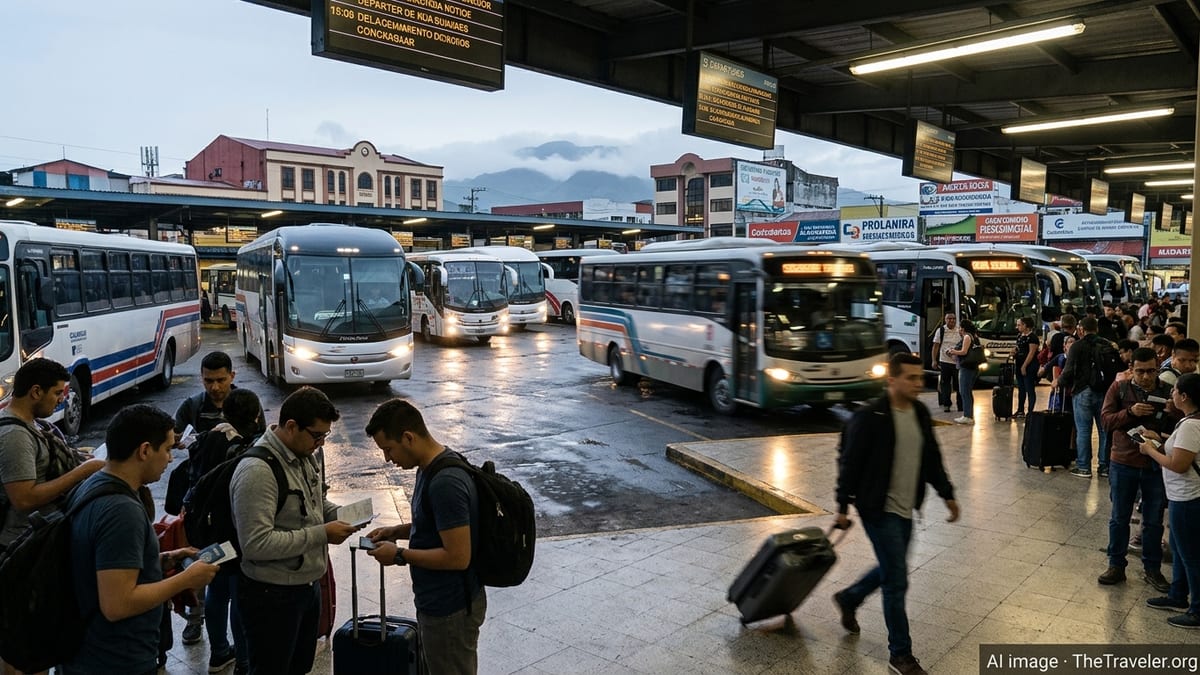
Canada’s Advisory Widens To Popular Tourist Hubs
Publicly available updates to Canada’s travel advice portal and recent industry analyses indicate that Costa Rica now features in a broader cautionary framework that already encompasses major destinations such as Brazil, the United Kingdom, China, Mexico, Italy and Germany. Rather than signaling a sudden surge in security risk, the changes reflect compounding practical problems for travelers, from flight disruption to slow-moving consular services.
Recent coverage of Canadian travel advisories shows a pattern of country pages being revised to emphasize infrastructure strain and the potential for service interruptions at airports, ports and land borders. In Europe, for example, Canada has warned about capacity pressures linked to new biometric border systems and airport modernization projects, while in the Americas, weather events and labor disputes have added further stress to aviation and ground transport.
Costa Rica’s inclusion is notable because the country is widely perceived as one of the most stable and tourist-friendly destinations in Central America. However, increased visitor numbers in the post-pandemic period, combined with infrastructure limits and regional weather volatility, have raised the stakes for travelers who rely on tightly timed connections and just-in-time visa or entry approvals.
By listing Costa Rica alongside heavy-hitting markets such as Brazil and the United Kingdom, Canadian guidance signals that even destinations with strong reputations for tourism readiness are not immune from global transportation bottlenecks and administrative backlogs.
Strained Transportation Networks Across Continents
Reports from travel media and aviation trackers over recent months describe a patchwork of disruptions across the global transport system that are now feeding into government advisories. In North America, Canada has faced its own storms and operational challenges, while airlines continue to adjust schedules in response to unpredictable weather patterns, labor negotiations and aircraft availability.
In Europe, rollout of new border control technologies and major events have created queues and intermittent delays at hubs in countries including Italy, Germany and the United Kingdom. Industry assessments indicate that long-haul routes transiting these gateways are particularly vulnerable, as minor timetable changes can cause cascading missed connections for travelers heading onward to Latin America, Asia or Africa.
Latin America has seen its own set of pressures. Brazil’s reintroduction of certain visa requirements for some nationalities, alongside busy holiday peaks and infrastructure works at major airports, has contributed to congestion. Mexico, a critical gateway for both Canadian sun-seekers and business travelers, has navigated sharp demand spikes and changing entry rules for third-country nationals, stretching check-in, security and immigration facilities.
For Costa Rica, increased arrivals during high season have been met with finite airport capacity and weather-related flight adjustments, particularly around tropical storms and heavy rainfall. When combined with delays at connecting hubs in North America and Europe, the result is a more fragile itinerary for Canadian visitors than headline tourism numbers alone might suggest.
Visa, Entry and Screening Procedures Grow More Complex
Alongside transportation strain, the latest wave of Canadian advisories reflects tightening and frequently evolving visa and entry procedures in many of the countries now flagged. According to immigration-focused publications and legal alerts, a growing number of governments are refining electronic travel authorizations, reintroducing visa requirements, or experimenting with biometric and data-sharing initiatives that lengthen lead times for trip planning.
Brazil has moved ahead with new electronic visa obligations for some visitors, while France and other European states are preparing for full-scale biometric entry and exit systems that will add additional steps at border checkpoints. Analysts note that once similar frameworks are fully operational across the European Union and the Schengen area, travelers connecting through Italy or Germany on their way to third countries may face longer processing at both arrival and departure.
In Asia, China has gradually adjusted its own visa and entry policies, including targeted visa-free schemes for specific nationalities and routes, while retaining detailed screening and documentation requirements. These shifting rules make it harder for travelers to rely on past experience, as exemptions that applied in previous years may no longer be valid or may only apply on limited itineraries.
For Costa Rica and parts of Latin America, the issue is less about new restrictions than about capacity. Consulates and visa centers face heavy appointment demand, and digital systems designed to streamline approvals have sometimes produced new bottlenecks. Travel commentary highlights cases where applicants waited weeks for interview slots or document checks, particularly during regional peak seasons and just before major holidays.
Canada’s Advisory Highlights Administrative Backlogs
Canadian-facing immigration and mobility outlets have also drawn attention to the country’s own visa-processing timelines, which shape how quickly travelers from many parts of the world can reach Canada and, in turn, how Canadians interpret foreign policies toward them. Reports from mid and late 2025 documented visitor visa applications in some categories taking many months, with backlogs persisting into 2026 despite targeted efforts to clear queues.
The interplay between Canada’s internal processing times and evolving foreign entry rules has created a more cautious tone in official travel advice. The guidance increasingly underlines that travelers should not assume rapid turnaround on documentation, whether they are seeking Canadian visas or visas for destinations such as Brazil, China, Mexico or European countries that require advance clearance.
Advisory language also stresses the potential for sudden administrative changes. These can include embassies reducing appointment capacity, private visa collection centers temporarily closing, or new verification steps being introduced after applications are lodged. When such developments occur in multiple regions at once, the combined effect is to increase uncertainty for Canadian travelers whose itineraries touch several jurisdictions.
Observers note that while security and geopolitical concerns still shape parts of Canada’s global travel guidance, a growing share of recent updates deals with purely logistical hurdles: lack of staff, technology rollouts, and cumulative delays within overburdened immigration and transport systems.
What Canadian Travelers Should Watch Before Heading to Costa Rica
For Canadians planning trips to Costa Rica and other countries now grouped in the latest advisory, the message is less to avoid travel and more to approach it with significantly greater lead time and flexibility. Travel publications recommend treating visa applications, electronic authorizations and passport renewals as tasks to be completed months rather than weeks before departure, especially where multiple transits or regional add-ons are involved.
Travel risk and insurance analysts underline the importance of building generous connection times into itineraries that pass through major hubs in the United Kingdom, Germany, Italy, Mexico or Brazil. With everything from storms to labor actions capable of triggering knock-on delays, tight same-day connections increasingly carry a higher risk of missed flights, lost luggage and unplanned overnight stays.
For Costa Rica specifically, the key considerations highlighted across recent coverage are airport capacity constraints during peak tourist months, the impact of tropical weather on regional flight schedules, and the possibility of congestion at land borders with neighboring countries. Travelers combining Costa Rica with other Central American destinations are encouraged to monitor regional news and airline notices closely in the days leading up to departure.
As Canada continues to refine its global travel advisory system, the inclusion of Costa Rica alongside larger economies serves as a reminder that the most pressing challenges for international travelers in 2026 are often practical rather than political. Navigating them successfully now depends on early planning, careful reading of entry requirements, and a willingness to adapt plans when transportation and visa systems come under strain.