

More news on this day
Canada is gaining ground as a preferred international escape for travelers from the United States, with recent tourism research highlighting strong interest in short-haul trips that combine spectacular nature, evolving culinary hubs, and easy cross-border access.
Get the latest news straight to your inbox!
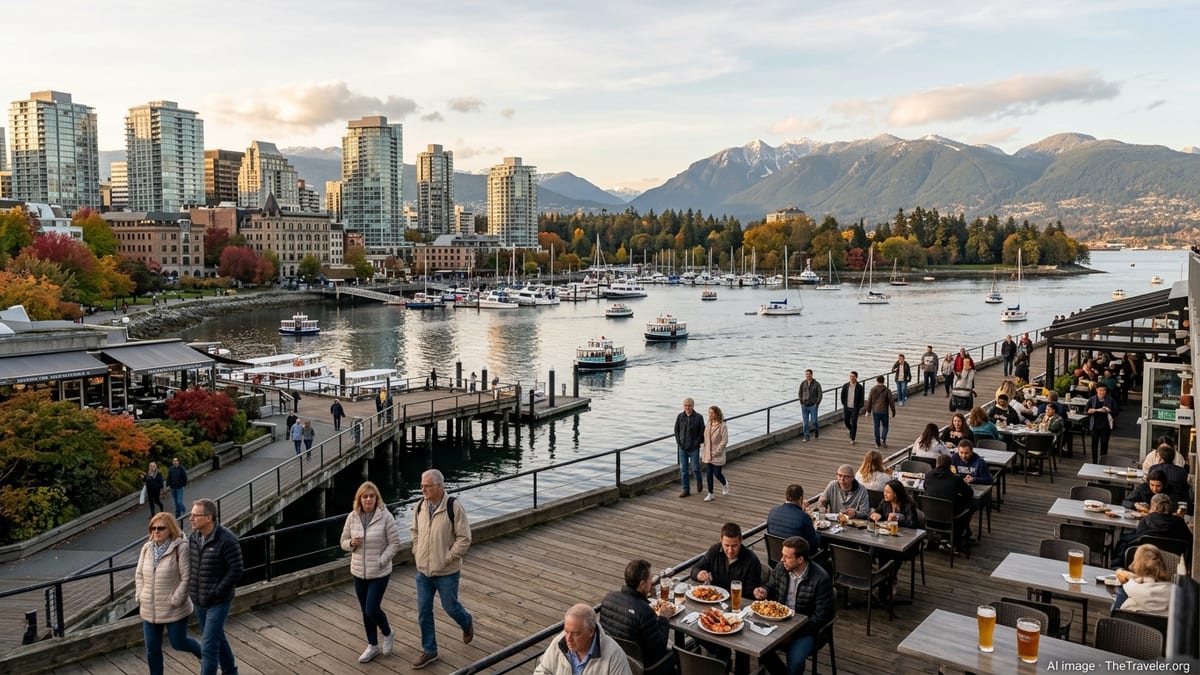
Short-Haul International Travel Favors Canada
Publicly available tourism data indicates that the United States remains Canada’s dominant source of international visitors, accounting for roughly 70 percent of overseas arrivals in recent years. Analysts note that this deep cross-border market is increasingly shaped by travelers who want an international experience without the time, cost, or jet lag associated with long-haul flights to Europe or Asia.
Reports from tourism researchers show that international travel across the Americas has continued to expand, with Canada capturing a growing share of regional arrivals as connectivity improves and airlines rebuild transborder networks. Industry outlooks suggest that inbound trips from the United States could reach the mid-teen millions annually by 2026 if current recovery trends and consumer confidence hold, positioning Canada as one of the most accessible international getaways for U.S. residents.
Currency dynamics are also playing a role. Forecast documents tracking exchange-rate scenarios between the Canadian and U.S. dollars point to a moderate discount for Americans spending in Canada, which can make hotel nights, restaurant meals, and activities feel more affordable than comparable experiences at home. Travel advisors and credit card rewards data further reflect steady demand on popular U.S.–Canada routes, particularly during peak summer and fall foliage seasons.
Travel behavior surveys compiled in market highlight reports show that U.S. leisure travelers planning a Canadian vacation cite ease of entry, perceived safety, and familiarity with language and infrastructure as additional reasons for choosing Canada over farther-flung options. For many, the ability to combine an international stamp in the passport with a relatively short flight or scenic drive is proving decisive when planning annual vacations and long weekends.
Nature and Outdoor Adventures Drive Itineraries
Destination-focused research published by organizations such as the OECD and national tourism bodies underscores the central role of nature in Canada’s appeal. From Atlantic coastal trails and whale-watching regions to the Rocky Mountains and Arctic gateway communities, outdoor and wildlife experiences rank among the top stated motivations for international visitors, including those from the United States.
Canada’s protected-area network and national parks are being positioned in federal strategies as core assets for sustainable growth, with initiatives such as new urban park concepts and investments in trails designed to make nature more accessible to both domestic and foreign travelers. These efforts align with U.S. tourists’ reported interest in hiking, nature walks, and landscapes that feel remote but are supported by reliable transportation and visitor infrastructure.
Recent market syntheses show that camping, RV travel, and adventure-oriented trips have all expanded as segments within Canada’s tourism economy, with steady increases in spending on guided outdoor activities and gear-intensive pursuits. For U.S. visitors, this translates into opportunities for short but immersive itineraries focused on paddling routes in Ontario and Quebec, mountain adventures in Alberta and British Columbia, and northern lights or polar wildlife experiences in remote communities that are still reachable on relatively short flights from major American hubs.
Travel planners note that climate and seasonality are shaping demand patterns. While summer remains dominant, shoulder seasons are gaining attention among U.S. travelers seeking fewer crowds and lower prices, especially for fall color trips through Eastern Canada and late-winter Northern Lights itineraries in the territories and northern provinces.
Culinary Tourism and Urban Culture Gain Momentum
Alongside nature, food has emerged as a decisive factor for many Americans choosing Canada. An annual impact report from the Culinary Tourism Alliance and related research point to steady growth in culinary-focused travel, with visitors seeking out regional products, farm-to-table restaurants, craft breweries, and Indigenous food experiences. These trends are mirrored in national tourism market profiles, which consistently list “trying local food and drink” among the most important activities for long-haul travelers.
Major Canadian cities such as Montreal, Toronto, Vancouver, and Quebec City are benefiting from this shift, attracting U.S. visitors who combine outdoor excursions with time in dynamic urban neighborhoods. Publicly available coverage of restaurant openings, food markets, and festivals indicates that these cities are increasingly framing themselves as gateways where travelers can sample Canadian seafood, prairie cuisine, Quebecois classics, and multicultural dining scenes in a single itinerary.
Smaller centers are also leveraging food to compete for American attention. Provincial reports describe rising interest in wine tourism in British Columbia’s Okanagan Valley and Ontario’s wine regions, as well as agritourism experiences that connect visitors to local producers. For U.S. travelers, these trends add depth to trips that might previously have focused solely on iconic landscapes or marquee attractions.
Industry analysis suggests that the growth of travel rewards credit cards and points-based travel is supporting this culinary surge. As American consumers look to maximize rewards on dining and travel purchases, Canada’s concentration of high-quality yet relatively affordable restaurants, cafes, and food markets provides attractive opportunities to redeem points or earn bonuses on cross-border spending.
Accessibility, Affordability, and Evolving Travel Patterns
Canada’s position as a short-haul international destination is reinforced by its varied entry options. Data compiled by aviation and tourism analysts highlight the importance of both air and land crossings for U.S. visitors, with major gateways including New York, Detroit, Buffalo, Seattle, and several points in the Pacific Northwest and Great Lakes regions. This mix of modes allows travelers to tailor trips to budget and comfort, whether that means a quick flight to Vancouver or a road trip to Montreal or the Maritimes.
National tourism indicator reports show that overall tourism spending in Canada has continued to rise, even amid periodic slowdowns in specific months, with gains in accommodation and food and beverage services standing out. Analysts caution that U.S. arrivals have seen fluctuations linked to economic conditions and airline capacity, but the underlying trend still points to a strong reliance on the American market and considerable room for further growth.
Shifts in global travel have also placed Canada in a favorable comparative position. International rankings compiled by multilateral organizations show that the wider Americas region has posted solid gains in visitor numbers, and Canada has been among the destinations spotlighted for its mix of outdoor amenities, stable political environment, and focus on sustainable and Indigenous tourism development.
Travel industry commentary indicates that as some U.S. travelers reconsider long-haul trips due to cost, time constraints, or geopolitical uncertainty, nearby destinations offering a sense of difference without excessive complexity are rising in appeal. In this context, Canada’s combination of familiar infrastructure, distinctive landscapes, and increasingly ambitious food scenes appears to be drawing a larger share of attention from American travelers planning their next international getaway.
Key Insights for U.S. Travelers Considering Canada
For U.S. residents weighing international options, the latest market highlights and tourism outlooks position Canada as a destination where nature, food, and accessibility intersect. Research points to strong interest in itineraries that blend urban culture and regional cuisine with time outdoors, whether that means a few days in a major city bracketed by hiking, coastal drives, or lakefront stays.
Data on top trip activities show that many travelers prioritize local food, scenic viewing, and nature-based excursions, suggesting that itineraries built around national parks, wine regions, and coastal or mountain routes are likely to remain in high demand. Travel forecasts for 2026 and beyond indicate that infrastructure investment, new routes, and product development in Indigenous and rural tourism may further diversify the options available to American visitors.
Cost considerations remain central in a period of elevated travel prices, but exchange-rate scenarios, competitive airfares on key routes, and a wide range of midscale accommodations help position Canada as relatively accessible for U.S. travelers seeking value. Industry observers note that flexible booking tools, loyalty points, and cross-border rewards cards are increasingly influencing how and when these trips are taken.
As planning horizons for leisure travel lengthen, Canada’s proximity and breadth of experiences place it firmly on the shortlist for Americans looking for an international trip that feels adventurous yet manageable. The combination of iconic landscapes, evolving culinary destinations, and short-haul convenience is likely to keep the country near the top of the list for U.S. tourists in the years ahead.