

More news on this day
Canada is reintroducing its Canada Strong Pass for 2026, offering a limited-time mix of free national park entry, museum discounts and VIA Rail savings that is expected to reshape how residents and visitors plan summer trips across the country.
Get the latest news straight to your inbox!
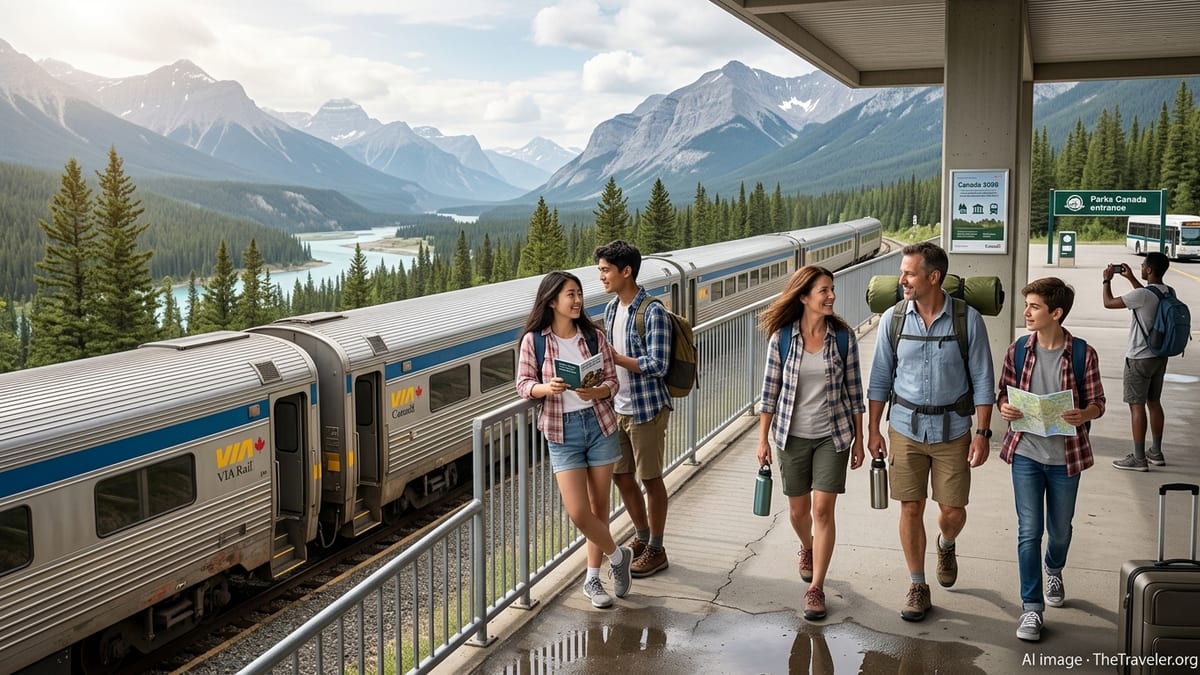
Limited-Time Free Access Across Parks, Museums And Rail
According to publicly available information from federal agencies, the 2026 edition of the Canada Strong Pass will run from June 19 to September 7, 2026, covering the peak summer travel season. The initiative bundles free admission to national parks and historic sites with reduced fares on rail travel and youth-focused museum offers, creating what tourism observers describe as one of the broadest domestic travel promotions in recent years.
Details published by the Government of Canada indicate that all visitors, regardless of nationality, will be able to enter Parks Canada national parks, national historic sites and national marine conservation areas without paying daily admission fees during the pass period. Camping and other roofed accommodations administered by Parks Canada are set to carry reduced prices, allowing travelers to stretch their budgets on multi-day stays.
National museums and participating provincial and territorial institutions are included in the package, with free admission for children and teens 17 and under and significant discounts for young adults aged 18 to 24. Cultural-sector coverage describes the pass as a tool to lower cost barriers for families and younger travelers, while also boosting visitor numbers to major cultural institutions that saw notable attendance gains during earlier editions of the program in 2025.
VIA Rail is again part of the offer, with published information indicating that children 17 and under can travel free when accompanied by an adult, and young adults receive discounted fares on eligible routes. Industry analysis suggests that pairing free park access with rail discounts encourages more low-impact, cross-country itineraries that connect major cities with gateway communities near iconic natural sites such as Banff, Jasper and Gros Morne.
From Domestic Stimulus To A Wider Tourism Invitation
The Canada Strong Pass was first introduced in summer 2025 as a domestic tourism stimulus measure, aimed primarily at residents who might otherwise scale back travel plans due to cost-of-living pressures. Government communications and subsequent budget documents for 2025 point to measurable increases in attendance at national parks, museums and heritage sites, along with higher VIA Rail ridership, during the initial rollout.
Following its early success, the pass was renewed for the 2025–26 winter holiday period, offering a shorter window of free and discounted access from December 12, 2025, to January 15, 2026. Reports from tourism-focused outlets describe strong uptake during that seasonal extension, particularly among families seeking affordable museum visits and short train trips around school holidays.
For 2026, publicly available coverage indicates that the program is being positioned not only as a way to encourage Canadians to “choose Canada” for summer vacations but also as a more visible invitation to international travelers. Travel trade publications note growing interest from tour operators who are designing itineraries that weave together rail journeys, national parks and cultural stops, using the pass as a selling point for value-conscious visitors from the United States, Europe and Asia.
Observers of the tourism sector point out that aligning the pass window with school breaks in multiple markets may further broaden its appeal. With the 2026 dates running from late June through early September, the offer overlaps with prime travel periods in North America and Europe, potentially encouraging longer multi-stop explorations that might otherwise be cost-prohibitive.
How The Canada Strong Pass Works In Practice
Unlike traditional ticketing programs, the Canada Strong Pass is not a physical card or digital QR code. Government information pages explain that visitors do not need to register or apply. Instead, participating sites and services automatically apply the free entry or discount at point of purchase according to the age-based eligibility rules and the official program dates.
For national parks and historic sites, travelers arriving by car typically still need to stop at park gates or kiosks, but daily admission fees are waived while the pass is in effect. Some parks may require advance reservations for popular campgrounds or limited-capacity experiences, meaning that the savings on entry do not remove the need for early planning during busy weeks in July and August.
In the museum sector, the pass applies to national museums and to a growing list of provincial and territorial institutions that have joined the initiative since 2025. Families planning city breaks in destinations such as Ottawa, Quebec City or Winnipeg are being encouraged by tourism boards to check each institution’s participation and opening hours, but cost estimates published by travel writers show that larger family groups can save a substantial amount over several days of visits.
For rail, VIA Rail has outlined that free travel for passengers aged 17 and under requires that they be accompanied by an adult on the same reservation, and that seat availability, blackout dates on some routes and advance-purchase conditions may still apply. Analysts suggest that travelers who combine long-distance rail segments with free park entry can create transcontinental journeys that highlight major landscapes without the costs associated with driving or flying between each stop.
Economic And Community Impacts Across Canada
Tourism and economic briefs associated with the 2025 federal budget highlight the Canada Strong Pass as a relatively low-cost lever to support local economies around parks, museums and rail hubs. While admission and fare revenues are reduced or waived in many cases, local businesses in accommodation, food, guiding and retail are reported to benefit from increased visitor volumes.
Travel industry coverage from 2025 noted that smaller communities near national parks and heritage corridors saw higher occupancy levels in motels, campgrounds and short-term rentals during the first pass period. Early commentary from chambers of commerce and municipal tourism offices suggested that visitors attracted by free entry often extended stays or added paid activities such as boat tours, guided hikes or cultural performances.
There are also signs that the pass is shaping how travelers move across the country. With VIA Rail ridership reported to have risen during the 2025 rollout, transport analysts describe the initiative as a modest but visible shift toward rail for vacation travel on certain corridors. This dynamic is expected to continue in 2026 as more travelers become aware of the combined value of park access, cultural experiences and rail savings.
Some commentators have raised questions about managing crowding at the most famous parks and museums during peak weeks. Parks Canada and cultural institutions have previously pointed to reservation systems, timed entry in select locations and visitor education campaigns as tools to balance access and conservation, and similar approaches are likely to play a role once the 2026 pass period begins in June.
Planning A 2026 Trip Around The Pass Window
Travel media and provincial tourism organizations are already publishing sample itineraries that show how to take advantage of the 2026 Canada Strong Pass window. Common suggestions include combining iconic rail routes with stopovers in gateway cities, then branching out by shuttle, rental car or regional bus to nearby parks and historic sites where admission will be free.
Families and youth travelers are being advised to pay close attention to age-based benefits when planning. A typical example outlined in budget and tourism analyses features a family of four with two teenagers who can ride VIA Rail at no cost and enter major museums without paying admission, cutting overall trip costs while still leaving room for paid add-ons such as special exhibitions or culinary experiences.
Prospective visitors are also encouraged by travel writers to watch for updated operational details from Parks Canada, national museums and VIA Rail as June 19, 2026 approaches, including any route-specific conditions, capacity limits or booking timelines. Given the strong response to previous editions of the pass in 2025 and over the 2025–26 winter holidays, many industry voices expect high demand during popular long weekends and festival periods in July and August.
The Canada Strong Pass is ultimately described across tourism and policy coverage as both a symbolic and practical gesture: an invitation to explore Canada’s natural and cultural wealth while it is temporarily more affordable, and a test of how coordinated travel benefits can influence where and how people choose to travel in a pivotal summer season.