

More news on this day
Canada has tightened its travel advisory for Costa Rica, grouping the country with higher‑risk destinations such as Brazil, the United Kingdom, China, Mexico, Italy and Germany, as security concerns, overburdened transport networks and more complex visa and entry procedures reshape how Canadians plan trips abroad.
Get the latest news straight to your inbox!
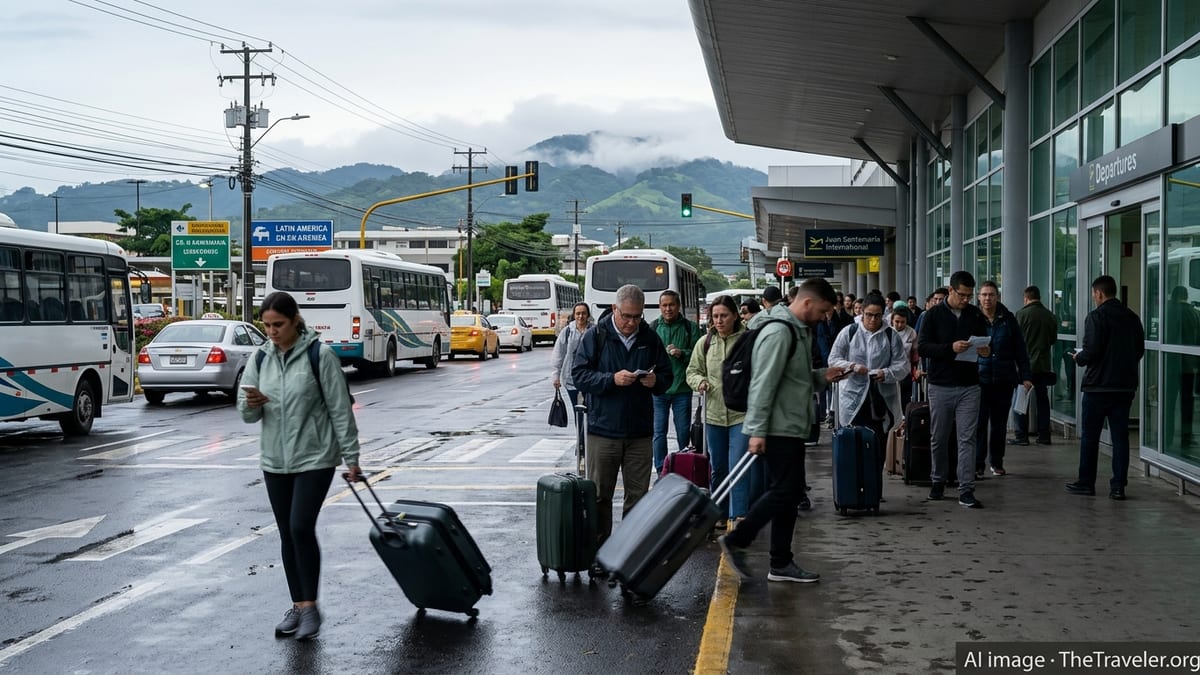
Costa Rica Moves Into Higher-Risk Category For Canadian Travelers
Recent updates to Canada’s official travel advice place Costa Rica in a category that urges travelers to exercise a higher degree of caution, aligning it with a broader list of destinations facing rising security and logistical challenges. Publicly available summaries of the advisory highlight concerns about opportunistic crime, high-profile incidents involving foreign visitors and growing pressure on local emergency and health systems during peak seasons.
Coverage from travel and security analysts notes that Costa Rica’s popularity as a winter-sun destination has surged, which has, in turn, magnified existing strains on infrastructure and policing in busy coastal towns and around major national parks. Reports indicate that theft from parked vehicles, street robberies in urban neighborhoods and scam activity targeting tourists remain recurring issues in some areas.
At the same time, Canada’s posture toward Costa Rica is part of a wider trend rather than a country-specific outlier. Government travel pages emphasize that advisories are being adjusted frequently in response to changing security patterns, environmental risks and public-health considerations across multiple regions, particularly for destinations that attract large numbers of Canadian holidaymakers.
Global Pattern: Brazil, UK, China, Mexico, Italy And Germany Under Closer Scrutiny
Costa Rica’s inclusion comes as Canada maintains heightened advisories for several major tourism and business hubs, including Brazil, the United Kingdom, China, Mexico, Italy and Germany. According to recent media coverage, these advisories reflect a mix of concerns: elevated violent crime in certain urban corridors, terrorism threats around large public events, and instances of civil unrest that can disrupt transport and tourism services.
Reports focused on Brazil and Mexico underline the persistence of gang-related violence and regional crime hotspots, which can spill into areas frequented by international visitors. In Europe, attention has centered on security for major sporting events and political demonstrations, while in destinations such as Germany and Italy, authorities are also weighing infrastructure resilience and crowd-management plans in heavily visited cities.
In China and other parts of Asia, Canadian travelers are being reminded to monitor local regulations, entry conditions and any rules governing movement within the country. Public information from multiple governments underscores that advisories are not blanket bans but signals that conditions require added vigilance, flexibility and careful planning.
Strained Transportation Networks And Weather-Linked Disruptions
The advisory landscape is also being shaped by the reliability of transportation networks, both in Costa Rica and in other popular destinations on Canada’s warning list. Recent seasons have brought a combination of heavy rains, landslides and flooding in parts of Central and South America, as well as storms and extreme weather in Europe and Asia, all of which have led to temporary road closures, airport delays and rerouted flights.
In Costa Rica, travel forums and local reports describe occasions where highways linking San José to coastal provinces have been partially blocked by landslides or flooding, forcing hours-long detours or leaving bus and shuttle services suspended. Similar accounts from Brazil, Mexico and Italy highlight congestion and disruption on major tourist corridors, particularly during national holidays and peak vacation periods.
Aviation and rail systems in some European countries have also faced intermittent strikes, staffing shortages and capacity limits. For Canadian travelers, this means a growing risk that multi-stop itineraries may unravel if a single domestic flight or train segment is canceled, especially in countries where alternate routes sell out quickly once disruptions begin.
More Complex Entry Rules, Visas And Documentation
Alongside security considerations and infrastructure strain, Canadian travelers are contending with a patchwork of visa rules and entry formalities that can change with limited notice. Recent policy shifts in parts of Latin America and Europe have reintroduced or tightened visa requirements for some nationalities, including Canadians, while other countries have added new documentation demands or screening steps at the border.
Reports on Latin American travel highlight that Brazil has moved to adjust its visa regime after several years of more flexible policies, while Mexico has expanded the use of electronic travel authorization for some foreign nationals and stepped up checks linked to onward travel and length of stay. Coverage of Costa Rica notes stricter expectations around proof of onward or return tickets, valid travel insurance in certain circumstances and compliance with health requirements when arriving from specific regions.
In Europe and Asia, travelers are also preparing for broader systems designed to pre-screen visitors, including electronic entry platforms and databases that record previous stays. For Canadians visiting countries such as the United Kingdom, Germany and Italy, this translates into a need to monitor official channels ahead of departure, ensure passports have sufficient validity and verify whether new online authorizations must be obtained before boarding a flight.
What Canadian Travelers Should Watch In The Months Ahead
While the updated advisory does not prohibit travel to Costa Rica or the other highlighted destinations, it signals that conditions are less predictable than in previous years. Published government guidance stresses the importance of checking destination-specific advisories shortly before departure, rather than relying on information gathered at the time of booking, as security notes and entry rules can shift rapidly.
Travel industry observers point out that insurance policies, cancellation terms and change fees have become more critical to trip planning. With the possibility of sudden road closures, airport disruptions or local states of emergency, flexible tickets and comprehensive coverage for delays, medical care and trip interruption are increasingly recommended for long-haul journeys.
For Costa Rica in particular, public information suggests that travelers who take basic precautions, stay informed about local conditions and plan routes with weather and terrain in mind can still enjoy the country’s beaches, volcanoes and rainforests. However, Canada’s decision to align Costa Rica with a roster of destinations requiring extra caution underlines how quickly a favored getaway can move into a higher-risk category when security pressures, transportation bottlenecks and administrative hurdles converge.