

More news on this day
Global Affairs Canada has refined its travel advisory for Mexico following a surge of cartel-related violence in late February, expanding regional risk warnings while keeping an overall call for Canadian travellers to exercise a high degree of caution.
Get the latest news straight to your inbox!
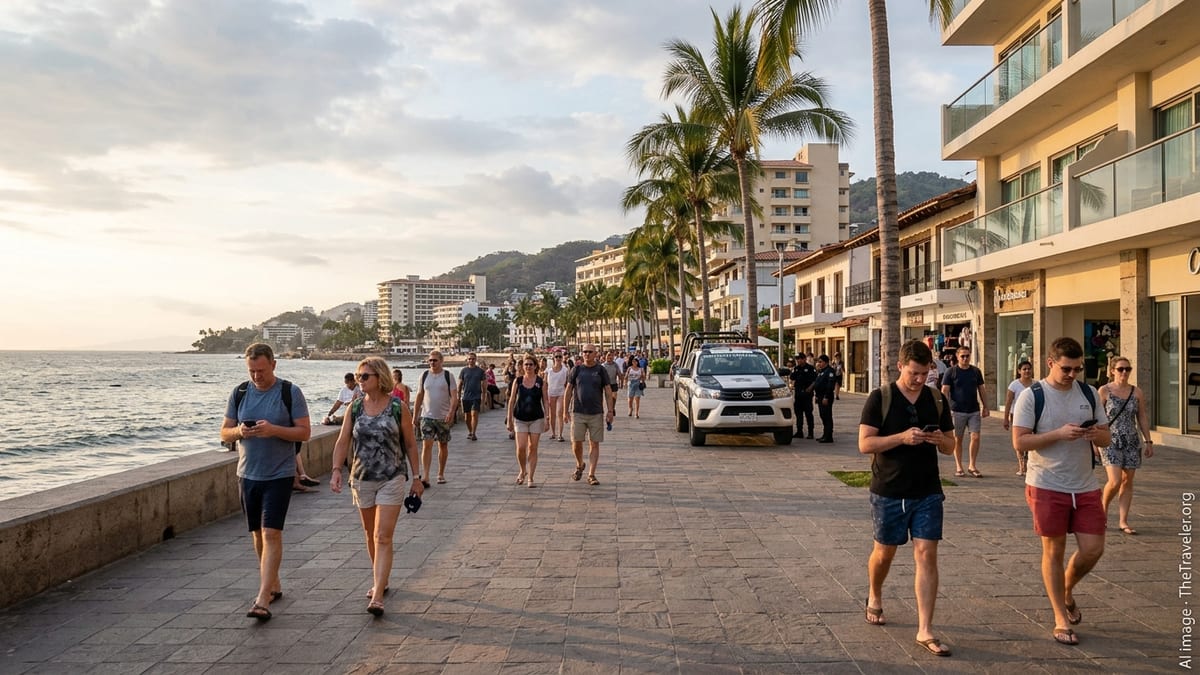
Refined Advisory Follows February Cartel Violence
Publicly available information indicates that Global Affairs Canada updated its Mexico travel advisory in mid-March 2026, following several weeks of unrest tied to a major security operation in Jalisco state on February 22. Mexican forces targeted leadership of the Jalisco New Generation Cartel, an event that triggered blockades, arson attacks and clashes across parts of western and northern Mexico, according to open-source reporting on the unrest.
Government advisory pages show that the overall risk level for Mexico remains at “exercise a high degree of caution,” a status in place since late 2024. However, the refreshed guidance expands “avoid non-essential travel” notices in specific corridors of Guerrero, Jalisco and Nuevo León, reflecting concerns about unpredictable violence on highways and in certain urban peripheries.
Travel industry coverage notes that temporary shelter-in-place recommendations were issued in late February for Canadians in cities such as Guadalajara and Puerto Vallarta, as authorities in both countries tracked unfolding security operations. Those short-term advisories have since been lifted, but the broader cautionary stance and regional warnings remain in effect.
Reports from Canadian and international outlets emphasize that risk levels differ widely by destination, even within the same state. Resort zones drawing high numbers of Canadian visitors may be operating normally while nearby rural or transit routes face intermittent security incidents.
Enhanced Safety Protocols for Canadian Travellers
Alongside the advisory update, insurers, airlines and corporate travel managers in Canada have introduced more formal safety protocols for trips to Mexico. A recent statement from the Canadian life and health insurance industry urged travellers to review policy wording closely, noting that coverage can be affected if an incident occurs in an area under an “avoid non-essential travel” or “avoid all travel” warning.
Travel risk firms cited in Canadian media describe a shift toward structured pre-departure briefings that cover basic security practices, local emergency contacts and contingency planning. Some Canadian carriers serving Mexican gateways have adopted enhanced on-board safety messaging and are directing passengers to consult federal advisories before departure.
Corporate travel programs are also tightening internal controls. An advisory from a global professional services firm describes temporary restrictions on non-critical business trips to parts of western and northern Mexico following the February violence, with approvals required at senior management level for travel into areas under heightened Canadian government warnings.
Published guidance from risk consultants stresses that these protocols do not amount to a blanket prohibition on travel to Mexico, but rather a move to formalize planning and reduce exposure, particularly for employees moving between industrial sites, inland cities and major ports.
Regional Hotspots and State-Level Guidance
The current Global Affairs Canada advisory highlights a patchwork of state-level concerns across Mexico. Regions of Guerrero and Michoacán remain under longstanding warnings related to organized crime, armed confrontations and roadblocks. Portions of Sinaloa, Tamaulipas and parts of the U.S. border zone also carry elevated cautions, shaped by a history of cartel rivalries and kidnapping incidents.
More recent adjustments focus on specific highways and access routes in Jalisco and Nuevo León, where road blockages and vehicle fires were reported in connection with the February security operation. Travel.gc.ca materials and secondary summaries from risk analysts underline the importance of avoiding night driving, staying on toll highways where possible and monitoring local news for reports of closures or police activity.
For popular resort destinations such as Puerto Vallarta, Cancún and Los Cabos, the advisory language differentiates between tourist zones and outlying areas. While flights and hotel operations have largely resumed normal schedules after short-lived disruptions, Canadian travellers are urged to remain situationally aware, comply with local instructions and avoid demonstrations or confrontations in city centres.
Additional campaign material tailored to the 2026 FIFA World Cup, which Mexico will co-host, draws attention to potential crowding, opportunistic crime and transportation bottlenecks around stadium cities. Canadian football supporters are encouraged to verify which districts fall under regional advisories before booking accommodation or overland transfers.
Impact on Tourism, Perceptions and Insurance
Recent polling by a Canadian research firm suggests that safety concerns are weighing heavily on decisions about Mexico vacations. Survey data published in early March indicates that Canadians rate their level of concern around travel to Mexico at well above the midpoint on a ten-point scale, although those with existing bookings or prior experience in the country tend to report slightly lower anxiety.
Travel trade coverage points to a mixed response from the tourism sector. Some Canadian tour operators report increased inquiries about alternative sun destinations, while others note that loyal Mexico travelers are opting to stick to familiar resorts and arranging private transfers instead of renting cars or exploring independently.
Insurance providers are paying close attention to the evolving advisory map. Industry communications highlight that claims arising from incidents in areas under higher-level warnings may be subject to additional scrutiny, especially if travellers did not follow official guidance. Canadians are being urged to confirm whether their policies include exclusions tied to government advisories and to document their itineraries and safety precautions.
Despite the heightened focus on risk, federal consular reporting shows that Mexico remains one of the most visited destinations for Canadians, with more than a million trips recorded annually in recent years. Analysts note that advisory changes tend to shape how and where Canadians travel within Mexico rather than eliminating demand altogether.
Preparing for Travel Under Heightened Advisories
Publicly available safety information from Canadian and international sources outlines a series of practical steps for those who decide to travel to Mexico while advisories remain elevated. Core recommendations include registering travel plans with government consular services, sharing itineraries with family or friends and maintaining regular check-ins by phone or messaging apps.
Security experts interviewed in recent coverage encourage travellers to pay particular attention to local transportation, suggesting pre-booked, reputable transfers from airports, cautious use of ride-hailing platforms and avoidance of unmarked taxis. They also advise against spontaneous road trips into unfamiliar rural areas, especially at night.
For major events such as the upcoming World Cup, guidance stresses early planning, careful selection of neighbourhoods and accommodation, and a focus on well-established hotels that have visible security measures and clear emergency procedures. Travelers are urged to carry copies of important documents, maintain digital backups and know how to contact Canadian consular support if needed.
As Global Affairs Canada continues to monitor developments and refine its Mexico advisory, analysts expect further tweaks at the regional level rather than abrupt nationwide shifts. For now, the message to Canadian travellers is to remain informed, weigh their personal risk tolerance carefully and align their plans with the latest official guidance and industry safety protocols.