

More news on this day
Canada is heading into Spring Break 2026 with some of its starkest travel warnings in years for sun-seeking destinations, as Mexico joins Cuba, Jamaica, the Bahamas, the Dominican Republic and other popular hotspots under heightened advisories related to crime, political tension and infrastructure strain.
Get the latest news straight to your inbox!
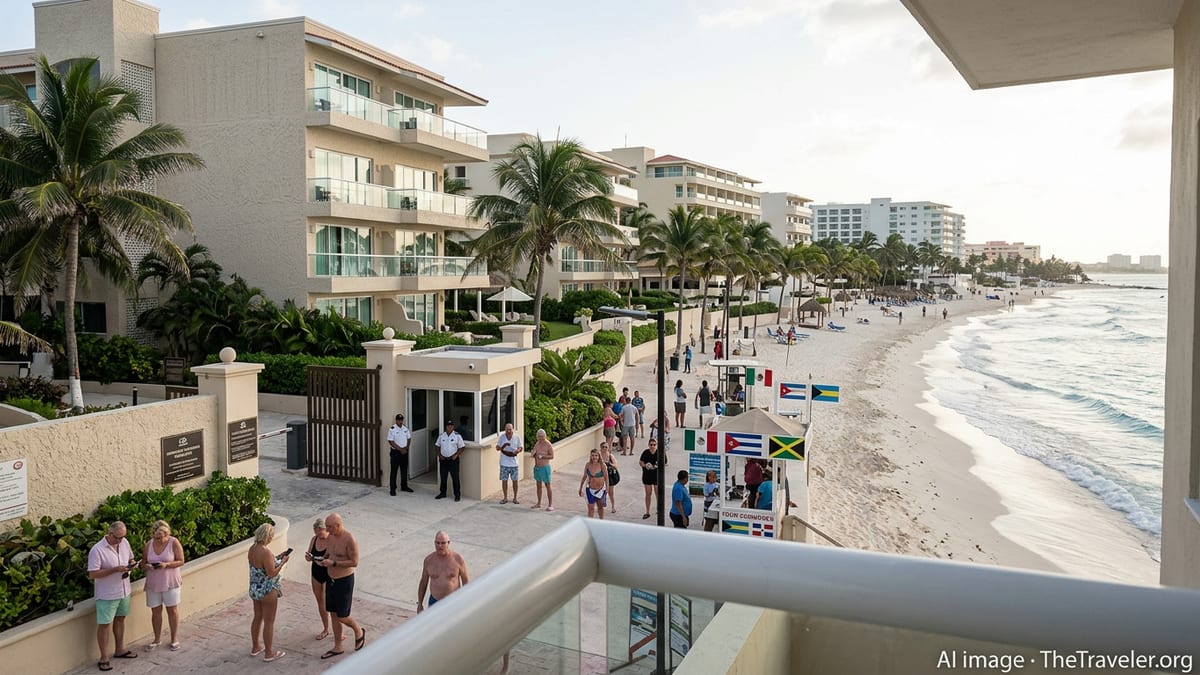
Mexico Faces Fresh Scrutiny Ahead of Peak Travel Season
Global Affairs Canada updated its travel advisory for Mexico on February 22, 2026, maintaining a nationwide call for Canadians to exercise a high degree of caution and reaffirming avoid non-essential travel guidance for several states where cartel-related violence and kidnappings have intensified. Recent updates highlight the uneven security picture across the country, pointing to elevated risks in parts of the Pacific coast, northern border regions and certain interior corridors, even as major resort enclaves continue to attract large numbers of visitors.
Published coverage indicates that the advisory underscores threats from organized crime, armed robbery, carjacking and extortion, often occurring on highways, in nightlife districts and in areas away from controlled resort properties. The government’s risk map distinguishes between regions where everyday activities carry routine risk and areas where the personal safety of travelers may be compromised by sudden flare-ups in violence or security operations.
Reports from Canadian and international outlets also note that civil society groups and travel insurers are watching Mexico particularly closely this year, following a series of high-profile incidents and intermittent disruptions linked to security operations. Some carriers and tour operators have responded with revised briefing protocols, more detailed emergency contact information and clearer guidance about staying within designated zones, especially for first-time visitors and student groups.
Despite the sharper language, industry data shows Canada-to-Mexico travel remains robust heading into March and April, with many travelers opting for large, gated resorts perceived to be better resourced for security and medical support. Analysts suggest the new wording is more about recalibrating expectations and encouraging contingency planning than about discouraging all leisure travel outright.
Cuba, Jamaica, Bahamas and Dominican Republic Under Heightened Caution
Mexico’s elevated profile comes as part of a broader pattern. Over the past several months, Canada has also revised or reiterated warnings for Cuba, Jamaica, the Bahamas and the Dominican Republic, all marquee Spring Break destinations for Canadian families and students. These advisories cluster around recurring themes of violent crime, petty theft, and in some cases chronic shortages or infrastructure setbacks that can affect even resort areas.
For Cuba, publicly available information shows that Canada now urges a high degree of caution, citing shortages of fuel, food and basic supplies that may impact transportation, excursions and service levels at hotels. Travelers are advised to be prepared for longer queues, reduced availability of certain amenities and occasional power outages, particularly away from premium properties.
In Jamaica and the Bahamas, crime remains a central concern. Recent advisory language emphasizes the risk of armed robbery, gang-related violence and opportunistic theft in urban centres, cruise ports and nightlife districts, including areas not far from major tourist hubs. Travelers are encouraged to remain vigilant if leaving resort compounds, especially at night, and to use registered transportation options rather than informal taxis.
The Dominican Republic’s advisory points to both petty crime and more serious incidents in city neighbourhoods and some resort corridors. Guidance for women and 2SLGBTQI+ travelers stresses the importance of situational awareness and caution around late-night venues. While large all-inclusive resorts along the main coasts continue to operate normally, the advisory urges Canadians to research specific areas carefully and to review their insurance coverage before departure.
What Canada’s Four Advisory Levels Mean for Spring Breakers
Canada’s travel system for foreign destinations is structured around four graded levels, ranging from routine precautions to calls to avoid all travel. For Spring Break 2026, most popular sun destinations for Canadians, including Mexico, Cuba, Jamaica, the Bahamas and the Dominican Republic, sit in the middle tiers rather than at the most extreme end of the scale.
“Exercise a high degree of caution” is the key phrase appearing across many of the current advisories. This level signals that the security environment is more volatile than in typical tourist markets and that crime or unrest could affect visitors with little warning. It does not prohibit travel, but it does encourage more careful planning, close monitoring of local developments and strict adherence to local guidance once abroad.
“Avoid non-essential travel” is reserved for specific regions within some countries, including parts of Mexico, where the risk of violence or kidnapping is assessed as significantly higher. In practice, this can influence insurance coverage, as some policies limit benefits when travel occurs against explicit government advice. It can also prompt airlines and tour operators to adjust or cancel itineraries that would otherwise route passengers through higher-risk zones.
Travel analysts note that these levels can remain in place for extended periods and may lag behind incremental improvements or deteriorations on the ground. For Spring Break planners, the practical effect is that destinations can appear on caution lists even as resort marketing campaigns continue in parallel, leading to a more complex risk calculation for families and student groups.
How Canadian Travelers and the Industry Are Responding
Tourism research for 2025 and 2026 indicates that Mexico and the Caribbean remain top choices for Canadians, even as more travelers report factoring government advisories into destination decisions. Surveys suggest that many Spring Break travelers are not cancelling trips outright but are instead switching destinations within the same region, choosing larger, well-reviewed resorts, or shortening stays to reduce perceived exposure.
Published reporting shows Canadian airlines and tour operators adapting by refining pre-departure communication, offering flexible change options in response to advisory updates, and emphasizing on-the-ground support. Some major brands now incorporate safety briefings into onboard announcements or transfer buses, while hotel partners highlight 24-hour security, controlled access and medical assistance as selling points.
Travel insurance providers are also adjusting messaging ahead of March and April. Advisory changes for Mexico and several Caribbean nations have prompted reminders that policy terms can vary widely when it comes to destinations under “avoid non-essential travel” guidance. Consumers are being urged in public-facing materials to read exclusions closely, confirm emergency medical coverage and ensure that evacuation or trip-interruption benefits are adequate for higher-risk environments.
For individual travelers, the combination of stricter advisories and pent-up demand has created a more information-intensive planning process. Many Canadians are cross-checking official guidance with airline notices, resort updates and independent travel forums before committing to Spring Break 2026 bookings, signaling a more cautious but still determined appetite for winter sun.
Practical Considerations for Spring Break 2026
With Mexico, Cuba, Jamaica, the Bahamas and the Dominican Republic all subject to elevated Canadian advisories this year, travel specialists recommend a more deliberate approach to trip planning. Current guidance across multiple sources emphasizes booking with reputable providers, sharing itineraries with family or friends, and keeping copies of key documents such as passports, insurance policies and emergency contact numbers.
Canadians are also being encouraged in public information campaigns to register travel plans with official online services, monitor local news for unrest or severe weather, and stay alert to any changes in airport security procedures or regional flight patterns. Recent disruptions across parts of the Caribbean and Latin America have illustrated how quickly geopolitical events and security operations can ripple through to leisure travel.
Health and safety considerations are another focus. Advisory language for Mexico and several Caribbean destinations reiterates the importance of consulting travel health clinics in advance, being mindful of alcohol consumption in unfamiliar environments, and taking precautions around water-based excursions and nightlife. Reports highlight that incidents often occur when visitors venture off property at night or use unregulated operators for tours and transportation.
As Spring Break 2026 approaches, the latest Canadian advisories suggest a season defined less by blanket prohibitions than by a call for informed, cautious travel. For many Canadians, the decision will not be whether to go, but how to adapt long-favoured beach escapes to a risk landscape that is more complex, more closely monitored and more central to vacation planning than in previous years.