

More news on this day
Canada’s visitor economy is accelerating into 2025, with new figures for 2024 and early 2025 showing rising international arrivals, record spending in major cities, and growing demand for nature and culture focused trips across the country.
Get the latest news straight to your inbox!
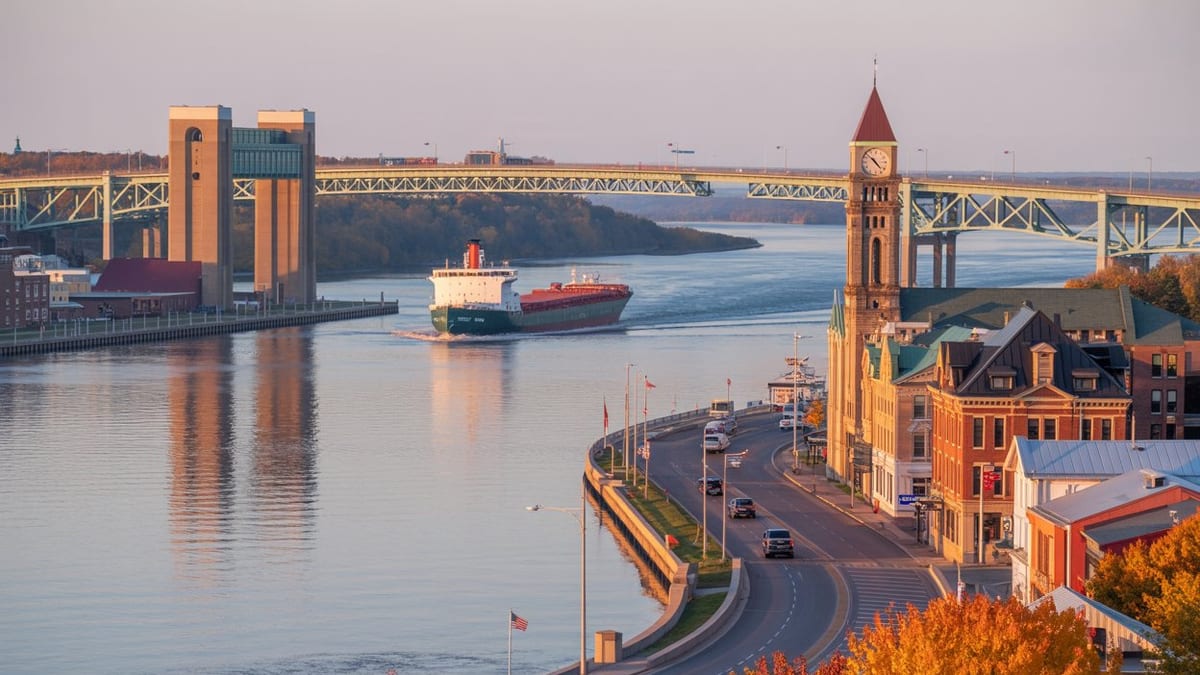
Image by Travel and Tour World – Tourism, Airline, Destination, MICE, Gobal Travel Market, Hotel news that you will find only over here.
Record Spending Signals a Tourism Powerhouse
Recent analyses of Statistics Canada data and industry reporting indicate that tourism activity in 2024 pushed Canada close to, and in some cases beyond, pre pandemic performance, setting the stage for a stronger year in 2025. National toolkits released by Destination Canada describe visitor spending in 2024 of around 130 billion Canadian dollars in direct tourism outlays, supporting hundreds of thousands of jobs and a growing share of national GDP.
Non resident visitor spending is also climbing. Quarterly visitor travel surveys show that international travelers spent about 5 billion Canadian dollars in the final quarter of 2024 alone, an increase of more than six percent compared with a year earlier. Average spending per trip continues to trend higher, reflecting longer stays, higher travel costs, and a shift toward more immersive, higher value itineraries rather than quick cross border excursions.
Industry outlooks compiled in early 2025 suggest that total tourism revenue may approach 160 billion Canadian dollars this year if current trends continue, with a further uplift forecast into 2026. Analysts note that domestic travelers still account for the majority of tourism activity, but international visitors are now adding incremental growth that is rippling through accommodation, food, culture, and transport sectors nationwide.
Major Cities Draw Global Visitors and New Records
Canada’s largest cities are reporting some of the clearest signs of the country’s tourism surge. Destination Toronto’s most recent year end assessment found that visitors spent a record 8.8 billion Canadian dollars in the city in 2024, the highest level of visitor spending it has ever recorded. That activity came from a mix of domestic travelers, U.S. visitors, and long haul international markets arriving by air.
Media coverage of recent performance updates highlights similar momentum in other urban centers. Reports indicate that visitor spending in Québec City reached roughly 2.5 billion Canadian dollars in 2024, up around ten percent year over year, helped by strong interest in its historic core and cultural festivals. British Columbia and Alberta have also reported strong urban visitation, reinforcing the role of cities such as Vancouver and Calgary as gateways to western Canada’s national parks and coastal landscapes.
Early 2025 commentary from tourism analysts points to an important shift in Canada’s urban visitor mix. While some cities are seeing softer U.S. demand, they are offsetting that weakness with gains from European and other overseas markets, as well as from Canadians who are opting to vacation within the country. That diversification is helping stabilize hotel performance and stimulating new investment in attractions, meetings infrastructure, and neighborhood level cultural offerings.
Nature, National Parks and Rural Regions Fuel the Surge
Beyond the big cities, Canada’s natural landscapes and smaller communities are drawing growing numbers of travelers seeking outdoor experiences. Synthesized data from tourism research firms shows that rural visitor spending in recent years has grown at a double digit pace, outpacing national economic growth and bringing new revenue to remote and northern regions that have traditionally relied on resource industries.
Provincial updates illustrate how widespread the trend has become. Alberta’s tourism statistics for 2024 point to more than 38 million visits generating over 14 billion Canadian dollars in revenue, much of it linked to iconic destinations such as Banff and Jasper. Atlantic provinces including Nova Scotia and Prince Edward Island have reported millions of non resident visitors and hundreds of millions of dollars in annual visitor spending tied to coastal drives, seafood, and heritage towns.
Industry observers say that global travelers are increasingly combining gateway city stays with multi day itineraries into national and provincial parks, Indigenous owned lodges, and adventure hubs centered on hiking, wildlife viewing, and winter sports. This pattern is helping disperse economic benefits more evenly across the country while also pressuring local authorities and communities to manage visitor flows, infrastructure, and conservation priorities.
Culture, Indigenous Experiences and Year Round Events Stand Out
Canada’s cultural offer is emerging as a key driver of the 2025 tourism upswing. Federal and provincial programs launched under the 2023 Federal Tourism Growth Strategy continue to filter into the market through grants for festivals, arts institutions, and business event attraction, as well as targeted funding to strengthen Indigenous tourism and trails infrastructure.
According to publicly available information from policy briefings and tourism reports, funding commitments have directed tens of millions of dollars to initiatives such as a national Indigenous Tourism Fund, support for the Trans Canada Trail, and expanded resources for Destination Canada’s business events campaigns. These investments aim to position the country as a place where visitors can connect with contemporary culture, food, and creativity alongside its well known natural icons.
On the ground, this translates into a growing calendar of music and film festivals, culinary events, and museum exhibitions that extend the visitor season beyond summer. Major cities are leveraging multicultural neighborhoods and thriving restaurant scenes, while smaller communities promote regional food, craft, and storytelling. Analysts note that travelers are responding to opportunities to book guided Indigenous led experiences that emphasize local knowledge, language and stewardship, further differentiating Canada in an increasingly competitive global market.
Shifting Travel Patterns Boost Domestic and International Demand
Another factor underpinning Canada’s tourism momentum in 2025 is a broader shift in where Canadians and international travelers choose to spend their vacation budgets. Statistics Canada data released over the past year shows a notable decline in Canadian trips to the United States compared with 2024, as higher costs, currency movements, and political considerations reshape outbound travel decisions.
Industry commentary suggests that many of those travelers are redirecting their spending toward domestic trips and alternative international destinations. Canadian airports and provincial tourism organizations report stable or increasing traffic on routes that connect major hubs with secondary cities and leisure destinations within Canada, even as cross border air and road traffic softens.
At the same time, the number of visitors arriving in Canada from overseas markets is edging higher. Visitor travel surveys and independent market reports describe modest but steady gains from Europe and Asia, helped by additional long haul air capacity and marketing campaigns that promote Canada as a safe, welcoming, and diverse destination. With global tourism volumes now exceeding pre pandemic levels, analysts expect Canada to capture an increasing share of those flows in 2025 and 2026, particularly among travelers looking for wide open spaces, climate conscious itineraries, and authentic cultural encounters.