

More news on this day
Air travelers across Canada faced mounting disruption as 211 flights were delayed and 32 were cancelled in a single day, with services involving Toronto, Montreal and other major hubs particularly affected and carriers including WestJet and SkyWest among those impacted, according to live airport-status data and published coverage.
Get the latest news straight to your inbox!
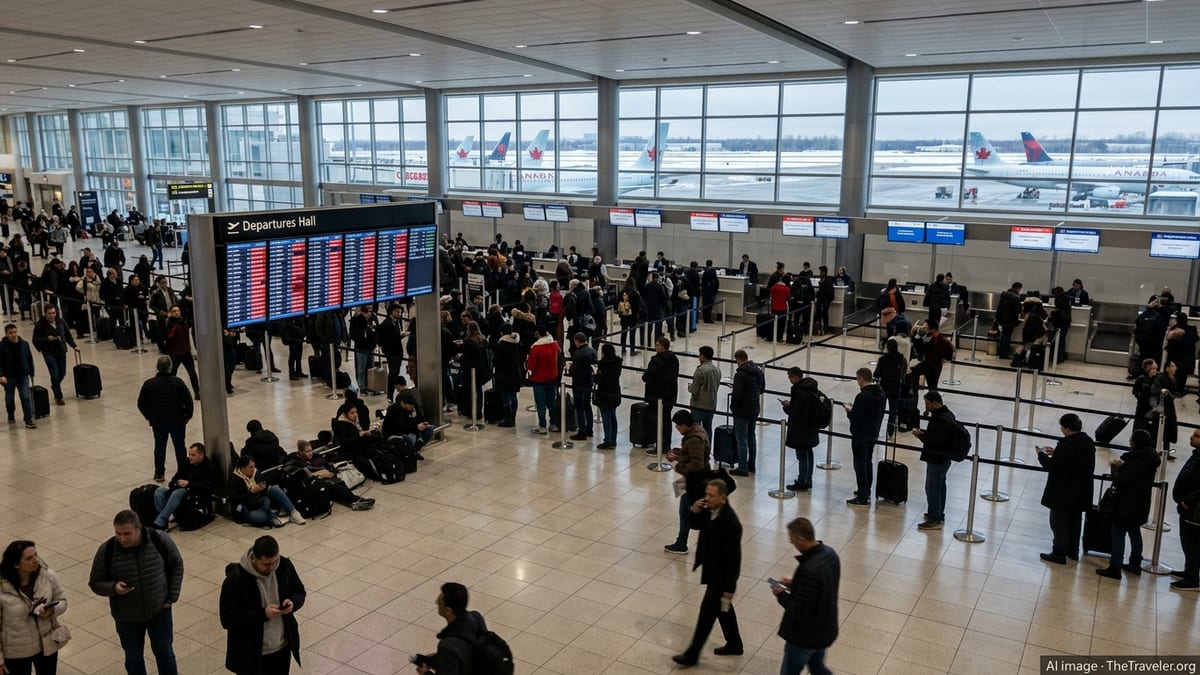
Delays and Cancellations Ripple Across Major Canadian Hubs
The latest wave of flight disruption left airports in Canada struggling with mounting backlogs, as delay and cancellation figures climbed through the day. Publicly available tracking data showed 211 services running late and 32 cancelled, cutting into schedules on some of the country’s busiest domestic and transborder routes.
Toronto Pearson and Montreal Trudeau were among the most affected airports, with knock-on impacts reported at regional gateways feeding traffic into both hubs. Passengers reported extended waits on the ground and in the air as aircraft queued for departure slots and arriving flights missed their scheduled gates, compounding congestion in terminal areas.
The pattern of disruption followed a familiar cascade: once early services ran late, tight turnarounds left aircraft and crews out of position for subsequent departures. As the day progressed, airlines increasingly opted to consolidate or cancel flights outright rather than operate significantly delayed services that would further strain operations into the evening.
While the total number of cancellations remained modest compared with major winter storms that can wipe out hundreds of flights, the combination of more than two hundred delays and a targeted cluster of cancellations produced a messy travel day for thousands of passengers.
WestJet, SkyWest and Other Carriers Grapple With Operational Strain
Among the airlines affected were Calgary-based WestJet and U.S. regional operator SkyWest, whose networks are tightly intertwined with cross-border traffic between Canada and the United States. Publicly available information indicated both carriers registered a share of the day’s delays and cancellations on routes touching Toronto, Montreal and other Canadian cities.
For WestJet, the latest disruption comes on top of a challenging winter marked by weather volatility and ongoing schedule adjustments. The carrier has already faced scrutiny over its handling of previous operational interruptions, and fresh delays risk intensifying pressure on its recovery planning and customer service response.
SkyWest, which operates regional services on behalf of several major U.S. airlines, also saw its tightly timed feeder flights affected. When these short-haul links fall behind schedule or are cancelled, passengers heading to or from Canadian hubs can find onward connections disrupted, even when their mainline carrier appears to be operating normally.
Other domestic and international carriers reported scattered delays as aircraft and crew rotations were disrupted by congested airspace and ground operations. With Canada’s air network highly interconnected, issues at a handful of hubs can quickly spread to flights serving secondary cities and popular leisure destinations.
Weather, Congested Hubs and Crew Rules Combine to Disrupt Travel
Reports indicate that a combination of adverse conditions and operational constraints contributed to the difficult travel day. Seasonal weather across parts of Canada and the northern United States has recently included fast-moving storm systems that disrupt takeoff and landing rates, forcing airports to slow operations and triggering downstream delays.
Toronto Pearson and Montreal Trudeau, which already rank among the country’s most complex hubs, are especially vulnerable when arrival and departure capacity is reduced. Even relatively short weather-related slowdowns can leave aircraft waiting for gates, ground crews stretched thin and baggage handling behind schedule, all of which reverberate through the day’s timetable.
Airlines must also navigate strict crew duty and rest rules. Once lengthy delays push pilots and flight attendants beyond their legal working limits, flights can be cancelled even after passengers have checked in. Publicly available guidance on airline operations notes that such crew “timing out” has been a recurring factor in recent Canadian disruptions, particularly during prolonged bouts of winter weather.
Industry analyses further highlight that Canada’s air travel system is operating with little slack, meaning there are fewer spare aircraft and crew available to recover when disruption strikes. As a result, even a day with a few dozen cancellations can feel more severe to travelers when options to rebook are limited.
Passengers Face Long Lines, Missed Connections and Limited Alternatives
The immediate impact for travelers was visible in longer-than-normal lines at check-in, security and rebooking desks at major Canadian airports. Social media posts and travel forums carried accounts of passengers waiting hours to speak with airline staff after learning that their flights were significantly delayed or cancelled.
Routes into and out of Toronto and Montreal were particularly challenging for those with onward connections. With many long-haul and transborder itineraries depending on precise transfer windows, even moderate delays risked missed onward flights. In several cases, travelers reported being rebooked a day or more later due to limited remaining seat availability on alternative services.
The disruption also affected travelers starting or ending journeys at smaller Canadian airports that rely on a handful of daily flights to major hubs. When those links are delayed or cancelled, options can quickly narrow, leaving passengers facing overnight stays, lengthy ground transfers or the prospect of abandoning or heavily reworking their travel plans.
Travel rights advocates note that frequent short-notice schedule changes and cancellations have become a recurring frustration for Canadian flyers, especially during peak weather seasons. The latest episode is likely to renew scrutiny of how airlines communicate with passengers and how quickly they provide rebooking options and support when disruption occurs.
What Travelers Can Do on a Day of Widespread Disruption
On days when hundreds of flights are delayed and dozens cancelled, travel specialists consistently recommend proactive steps for passengers. Monitoring flight status closely through airline apps and airport information boards can provide early warning of developing problems, giving travelers more time to adjust ground transportation or accommodation plans.
Publicly available guidance also suggests that those with tightly timed connections to or through hubs such as Toronto and Montreal should consider building in longer layovers during periods of unsettled weather. While longer waits in the terminal are inconvenient, they can reduce the risk of missed onward flights when departure banks are hit by rolling delays.
Travel industry analyses further emphasize the importance of understanding airline policies on rebooking, refunds and care provisions during delays and cancellations. Knowledge of entitlements can help passengers make informed decisions when choosing between waiting for a later flight, rerouting via a different hub or, in some cases, cancelling or postponing a trip.
With Canada’s air travel system under pressure from weather volatility, high demand and tight schedules, the latest figures of 211 delayed flights and 32 cancellations underscore how quickly a seemingly routine day can deteriorate into widespread travel disruption, particularly on key routes into Toronto, Montreal and other major Canadian gateways.