

More news on this day
A steep decline in Canadian travel to the United States through 2025 and into early 2026 is reshaping North American tourism, leaving traditional border gateways quieter while creating new opportunities for global visitors to discover lesser-known US destinations.
Get the latest news straight to your inbox!
Data Signals a Prolonged Canada–US Travel Slump
Publicly available figures from Statistics Canada, US Customs and Border Protection, and industry analysts indicate that cross-border travel between Canada and the United States has fallen sharply since early 2025 and has not yet rebounded going into 2026. Year-over-year comparisons for late 2025 showed double-digit declines in Canadian return trips from the United States by both air and land, a proxy widely used to gauge overall demand.
Analyses by Tourism Economics and other research firms point to Canada as one of the main drivers of the broader US inbound slowdown, with estimates of Canadian land crossings to the United States falling by around one quarter or more over the course of 2025. The pullback has been particularly acute along the northern border, where cities and small towns historically relied on repeat visitors from nearby provinces for weekend shopping, skiing, and sporting events.
Industry reports describe the downturn as part of a wider international retrenchment, but the Canada–US corridor stands out because of its traditionally high volume and relatively low friction. Forecasts released in late 2025 projected a decline in international visitor spending in the United States for 2025 and into 2026, with border communities from the Pacific Northwest to the Great Lakes highlighted as among the most exposed.
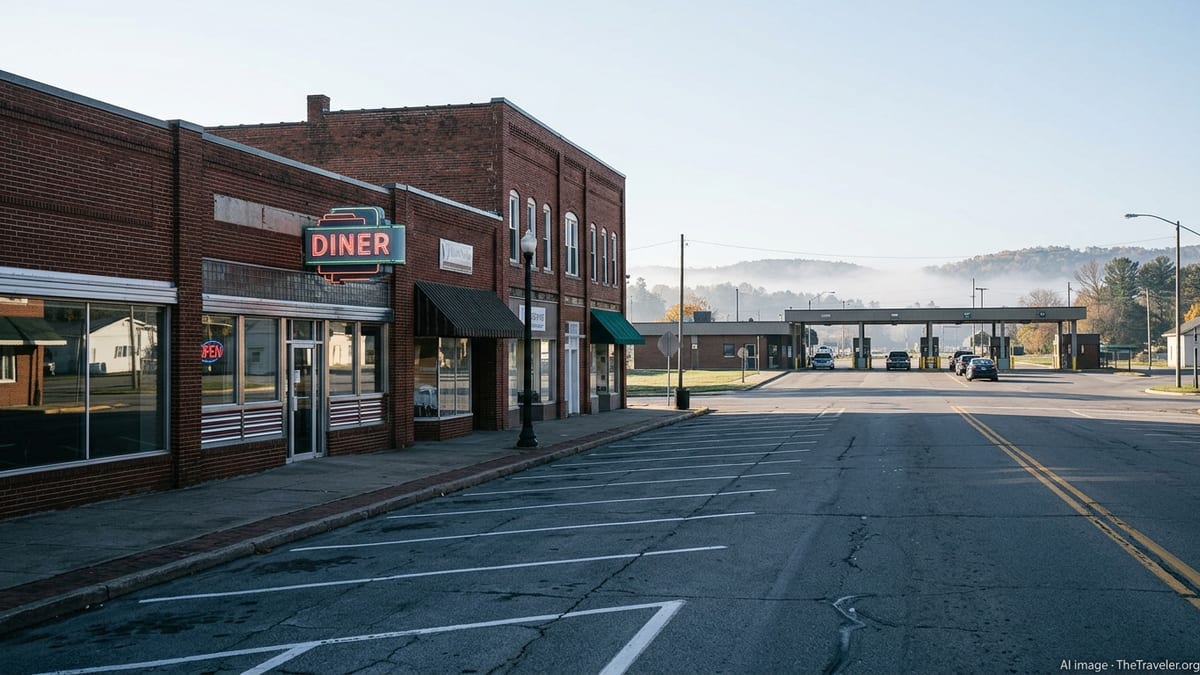
For global travellers watching from afar, the trend effectively means that one of the busiest and most accessible cross-border regions in the world is entering a rare period of slack, with fewer queues at land crossings, lighter traffic on key corridors, and additional capacity in hotels and attractions that once catered heavily to Canadians.
Border Towns Grow Quieter, but Remain Open for Business
In many northern US states, from Washington and Minnesota to New York and Vermont, local tourism organizations have reported noticeable drops in Canadian traffic since early 2025. Public coverage of economic assessments highlights sliding sales at duty-free shops, outlet malls, and roadside motels that once depended on steady cross-border flows. Several analyses note that some border retailers have cut opening hours or staffing in response.
Despite the contraction, these communities are not closed to tourism. On the contrary, local chambers of commerce and destination marketing groups in several northern states have been rolling out campaigns to diversify their visitor base, targeting domestic US travellers and long-haul international guests. Coverage of these efforts describes billboards, social media pushes, and special events emphasising that border cities remain easy to reach and eager for visitors.
For travellers arriving from Europe, Asia, or Latin America, this adjustment phase can translate into a more relaxed experience in places that were once dominated by cross-border day-trippers. Parking is generally easier to find at popular outlet centres, lines for casual dining and family attractions are shorter, and seasonal festivals may feel less crowded than they did a few years ago, particularly outside peak holiday weekends.
At the same time, reduced volumes have prompted some operators to refine their offerings. Reports from border regions mention wineries, craft breweries, and independent hotels leaning into shoulder-season deals and midweek packages to attract a wider mix of guests. Travellers willing to look beyond the usual big-city gateways can often find competitive rates and a slower pace in these communities while still remaining within a short drive of major airports.
Hidden US Destinations Emerging Along the Northern Tier
As Canadian arrivals fall, some US destinations that sit just beyond the traditional border-shopping strip are drawing new attention. Tourism research in 2025 highlighted that cities such as Seattle, Portland, and Detroit were expected to see some of the steepest reductions in overnight international visitors tied to the Canadian slowdown, despite their substantial cultural and outdoor offerings.
For international visitors, this shift can be an invitation to treat these and similar cities as value destinations. In the Pacific Northwest, road and rail links from Seattle into smaller communities along the Puget Sound and toward the Cascades provide access to coastal trails, island towns, and mountain resorts that are now navigating softer demand. Travellers who previously might have focused solely on Vancouver or Whistler can consider pairing those Canadian favourites with quieter US towns on the other side of the border.
Farther east, the Great Lakes corridor offers another under-the-radar option. Coverage of regional tourism performance points to US cities such as Buffalo, Duluth, and small Michigan and upstate New York lakefront towns experiencing fewer Canadian cars in their visitor mix. For global travellers, that can mean easier access to waterfront promenades, historic districts, and state parks, particularly outside the peak summer period.
Even in long-established destinations like upstate New York’s Adirondack region or northern New England’s ski country, reduced cross-border traffic is subtly changing the atmosphere. Lodges and vacation rentals that previously booked out early with repeat Canadian guests are more actively courting international visitors, sometimes with flexible minimum stays or bundled activities. For those planning multi-stop itineraries, this creates scope to weave lesser-known US mountain or lakeside communities into a broader North American route.
Practical Tips for Global Travellers Navigating a Quieter Corridor
The evolving Canada–US travel landscape in 2026 calls for a slightly different planning mindset, especially for visitors arriving from further afield. With Canadian demand cooling, some airlines have adjusted schedules on transborder routes, while maintaining or even expanding long-haul services into major US hubs. Travellers may find it easier to secure competitive fares into large US airports, then connect by regional flight, train, or rental car to quieter northern destinations.
Border wait times at key land crossings have generally eased compared with pre-2025 norms, according to public reporting on government statistics. However, travellers should still account for potential variability around long weekends or major events and should familiarize themselves with current entry documentation requirements before they go. For those combining Canada and the United States in one trip, it can be helpful to confirm the latest guidance from both governments when designing a loop that crosses the border multiple times.
Accommodation strategy is also shifting. In some border towns, lower visitor volumes mean a wider range of last-minute options, but in smaller resort communities, certain properties may have reduced operating days or seasonal services. Checking opening calendars directly with hotels or lodges, and being flexible about midweek stays, can help visitors take full advantage of quieter periods while ensuring that restaurants and experiences are available when they arrive.
Finally, the relative quiet presents openings for more immersive, lower-impact travel. With fewer crowds, visitors can spend longer in independent shops, galleries, and local museums, and may find it easier to explore nearby hiking trails, cycling routes, and waterfront areas at their own pace. For travellers accustomed to the bustle of major US gateways, the current Canada–US travel downturn offers a chance to experience a different side of the country’s northern regions: slower, more local, and unexpectedly accessible.