

More news on this day
From remote coastal camps to historic grand hotels, a new wave of Canadian resorts is reshaping luxury travel by placing wilderness, culture and soft adventure at the center of the guest experience.
Get the latest news straight to your inbox!
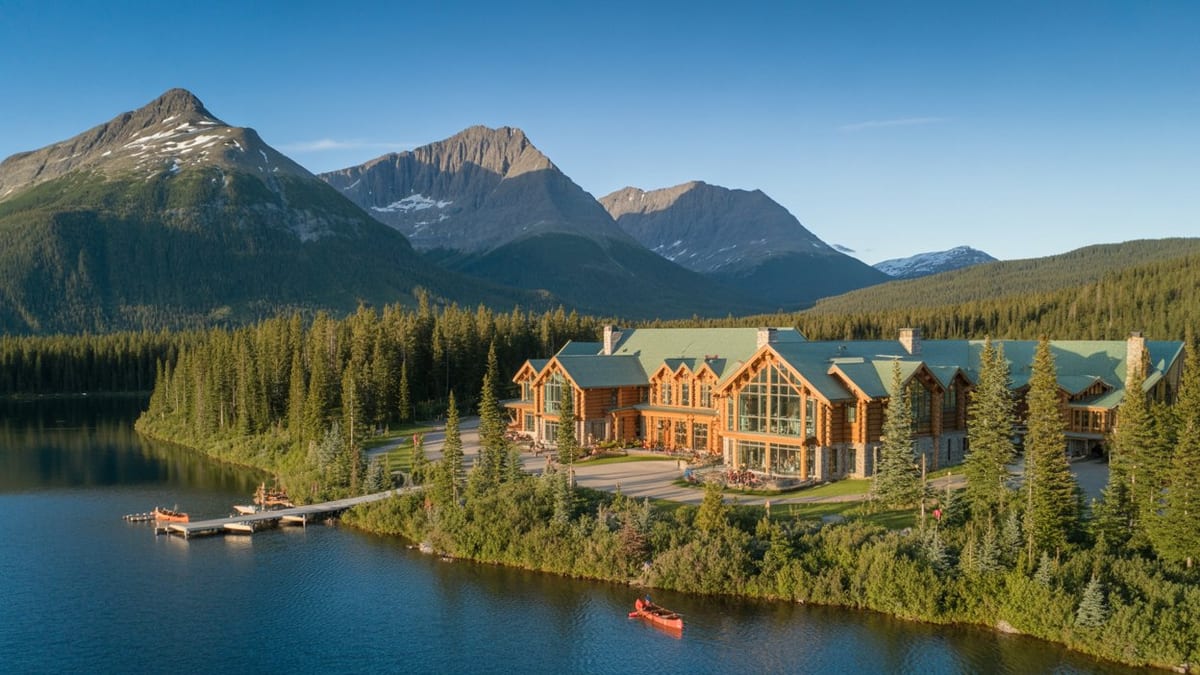
Image by Travel And Tour World
Luxury Tourism Surges as Travelers Seek Wild Yet Refined Escapes
Canada’s tourism industry is entering a period of renewed growth, and high-end nature and adventure properties are emerging as some of the strongest performers. Recent industry analyses indicate that travel and tourism in Canada generated well over 100 billion Canadian dollars in expenditure in 2023, surpassing pre‑pandemic levels, while 2024 data highlight tourism among the fastest growing sectors of the national economy. Publicly available figures for 2025 point to continued expansion, with hotel occupancies at multi‑year highs and leisure travel dominating demand.
Adventure and eco‑tourism are a notable growth engine within this recovery. Market assessments show that holiday and leisure trips make up nearly half of Canada’s travel spend, with adventure and eco‑focused travel identified as one of the fastest‑rising segments. Domestic travel has also increased, helped by travelers redirecting long‑haul or cross‑border plans into explorations of their own back yard. For many, that now means swapping urban getaways for remote lodges, heli‑assisted excursions and guided wildlife experiences wrapped in five‑star comfort.
Resort operators are responding with properties that blend high design, strong culinary programs and curated access to the outdoors. Across coastal British Columbia, the Rockies, Atlantic Canada and the North, new and upgraded lodges are marketing multi‑day stays that include guided hikes, paddling, wildlife viewing and cultural programming, often bundled into all‑inclusive packages. The result is a competitive landscape in which “luxury” increasingly refers not only to suite size and spa menus, but to exclusive access to intact ecosystems and small‑group adventures.
Government and industry strategies are reinforcing this shift. Canada’s federal tourism plans emphasize nature‑based experiences, new national urban parks and support for Indigenous tourism businesses, with targeted funds earmarked for trail networks, sustainability initiatives and community‑led attractions. This policy backdrop is helping position wilderness resorts as flagships for Canada’s international tourism brand, particularly among visitors seeking low‑impact trips that prioritize conservation and community benefits.
Clayoquot and Coastal Icons Set the Bar for Wilderness Luxury
On Vancouver Island’s remote west coast, Clayoquot Wilderness Lodge has become a benchmark for Canada’s new definition of luxury in nature. Accessible only by seaplane or boat, the tented eco‑camp sits between rainforest and ocean, offering guided bear viewing, horseback riding, kayaking and hiking as part of multi‑night stays. The property has drawn international acclaim in the past year, earning a coveted three‑key rating in the inaugural Canadian edition of an influential hotel guide and being named among North America’s top hotels by major travel publishers.
Recent seasons have brought further investment at Clayoquot, including refreshed dining spaces and an expanded focus on sustainable operations and local sourcing. The lodge’s positioning as “barefoot luxury” highlights a broader coastal trend in which ultra‑remote camps frame nature and wildlife as the primary amenities, with tented suites, wood‑fired hot tubs and spa cabins serving as complementary comforts rather than the main event. Rates that can reach several thousand dollars per night underscore the premium travelers are willing to pay for remoteness and environmental stewardship paired with attentive service.
Clayoquot is not alone in leveraging British Columbia’s rugged coastline. Other established wilderness properties in the province promote marine safaris, Indigenous‑guided excursions and surf or storm‑watching seasons that stretch the traditional summer window. Operators are adding heli‑access excursions, glamping platforms and small‑vessel exploration to their offerings, effectively turning resort stays into multi‑day expeditions that remain anchored by fine dining and high‑thread‑count linens.
These coastal resorts also illustrate how climate and conservation pressures are reshaping luxury travel. After record‑breaking wildfire seasons and increased public concern about ecosystem health, many operators now foreground reforestation projects, wildlife research partnerships and emission‑reduction measures in their marketing. Guests are invited to participate in interpretive outings that explain local ecology and highlight the challenges of protecting coastal rainforests and marine habitats, reinforcing a narrative that authentic luxury includes contributing to the landscapes that draw visitors in the first place.
Rockies and Historic Grand Resorts Reposition for Adventure
In Western Canada’s mountain parks, longtime landmark hotels are leaning more heavily into adventure tourism as visitor expectations evolve. Historic railway‑era properties in Alberta’s Jasper and Banff regions, long known for their grand architecture and lakeside or forest settings, now promote year‑round outdoor programs that range from guided alpine treks and canoeing to fat‑tire biking and dark‑sky stargazing. This pivot has taken on added urgency in the wake of recent wildfire seasons, which have underscored both the vulnerability and enduring appeal of mountain landscapes.
Recent seasons have seen upgrades to trail connectivity, lakefront facilities and spa and wellness spaces at several major Rocky Mountain resorts. Publicly available reports note that despite localized disruptions from wildfires, the wider region continues to attract millions of visitors annually, generating billions of dollars in revenue for Alberta alone. To manage this demand, resort and park partners are increasingly steering guests toward shoulder seasons and less‑visited valleys, turning guided activities into tools for visitor dispersion and safety education.
Luxury in the Rockies is also becoming more experiential. High‑end packages now routinely bundle private guides, photography instruction, glacier or canyon access and gourmet backcountry picnics. Helicopter‑assisted day trips to remote ridgelines or waterfalls, followed by tasting menus back at the lodge, position mountain resorts as gateways to curated adventure rather than static viewpoints. This approach appeals strongly to younger travelers and multi‑generational families looking to combine comfort with a sense of accomplishment and connection to place.
Elsewhere in the country, classic resorts in Quebec and Atlantic Canada are following a similar trajectory. Iconic riverfront chateaux and forest lodges are adding cycling routes, Nordic spa circuits, canoe excursions and wildlife safaris to their seasonal programming. While the architecture and heritage remain key drawcards, the marketing emphasis is shifting toward immersive itineraries that make guests active participants in local landscapes rather than passive observers.
Indigenous‑Led Retreats Put Culture and Sustainability at the Forefront
Indigenous‑owned and Indigenous‑partnered accommodations are playing a central role in Canada’s evolving luxury nature offering. Articles profiling top wellness and cultural stays highlight properties such as Klahoose Wilderness Resort in British Columbia and Hotel‑Musée Premières Nations near Quebec City, which embed storytelling, traditional foods and local art into high‑end hospitality. These resorts typically limit guest numbers, prioritize low‑impact design and offer guided experiences that explain the cultural and ecological significance of the surrounding land and waters.
Demand for such experiences is rising in step with broader interest in reconciliation and responsible travel. National tourism statistics show a growing share of travelers expressing interest in Indigenous experiences, while federal agencies and Indigenous organizations have launched targeted funding streams to help communities develop tourism infrastructure. A 2024 initiative from national Indigenous finance bodies, for example, committed millions of dollars to projects such as wilderness camps, boutique hotels and thermal spa developments that weave Indigenous themes into their design and programming.
At the property level, this investment is visible in new or expanded retreats that blend comfort with cultural depth. In British Columbia, remote community‑linked wilderness resorts offer guests the chance to learn about traditional harvesting, observe grizzly bears and whales with Indigenous guides and participate in ceremonies or craft workshops, all while staying in well‑appointed cabins or glamping tents. In Quebec and the North, lodge operators emphasize language, architecture inspired by traditional forms and seasonal activities such as snowshoeing, canoeing or berry‑picking.
Indigenous leadership is also influencing what luxury means in practical terms. Many of these resorts define richness not only as seclusion and amenities, but as time, space and knowledge shared respectfully with hosts. Guests are encouraged to slow down, disconnect from devices and engage in practices that support both personal well‑being and community priorities, from shoreline cleanups to donations toward cultural programming. This recalibration aligns closely with global trends toward regenerative travel and is reshaping visitor expectations for high‑end stays across Canada.
Wellness, Climate Resilience and the Future of High‑End Adventure
Wellness has become a key pillar of Canada’s luxury resort narrative, especially in nature‑rich settings. Properties across the country are unveiling expanded spa complexes, thermal circuits, yoga platforms and meditation spaces that overlook forests, mountains or ocean inlets. Travel features spotlight a growing number of lodges where Indigenous healing practices, locally sourced botanicals and outdoor hydrotherapy pools complement guided hikes and paddling days, creating itineraries that promise both physical challenge and deep relaxation.
At the same time, climate resilience and sustainability are moving from optional add‑ons to core selling points. Several leading wilderness lodges have recently publicized investments in renewable energy systems, such as solar arrays and improved micro‑grids, to reduce reliance on diesel in remote regions. Others are upgrading waste‑water treatment, limiting guest capacity, partnering with conservation organizations and participating in destination‑wide sustainable tourism certification schemes. National destination marketing organizations have joined global sustainable tourism councils, signaling a sector‑wide commitment to measurable standards.
These shifts are occurring against a backdrop of intensified wildfire seasons, changing wildlife patterns and growing scrutiny of aviation emissions. Resort operators are adapting by revising emergency plans, adjusting operating seasons, diversifying activity menus and encouraging longer, less frequent stays to reduce travel footprints. Marketing messages increasingly pair images of pristine lakes and forests with explanations of how visitor spending supports conservation projects, scientific monitoring and local employment.
As Canada looks ahead to the next decade of tourism growth, luxury nature and adventure resorts are likely to remain at the forefront of the country’s appeal. By investing in cultural partnerships, low‑impact infrastructure and innovative outdoor programming, these properties are helping redefine what high‑end travel looks like in one of the world’s most expansive wilderness destinations.