

More news on this day
Growing numbers of Canadian vacationers, new flight routes and shifting regional politics are combining to reshape tourism in parts of Mexico, where some resorts and local campaigns are leaning more heavily into Canadian markets and leaving many U.S. travelers feeling increasingly overlooked.
Get the latest news straight to your inbox!
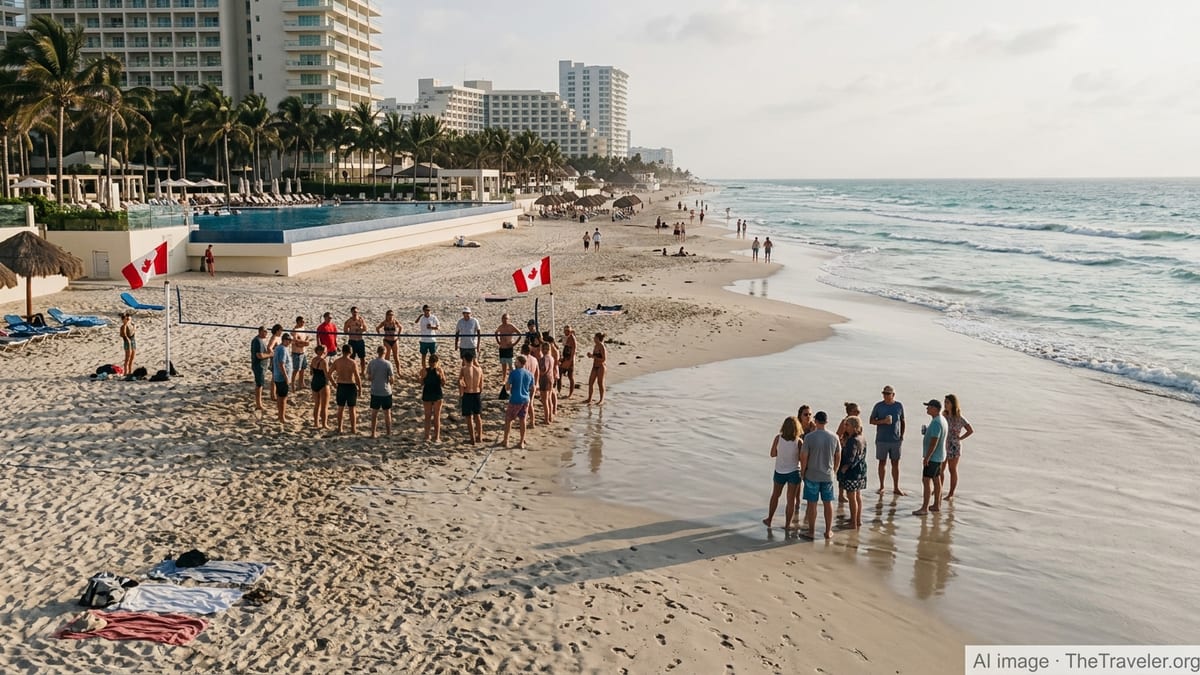
Winter Sun Strategies Shift Toward Canada
Mexico remains one of the top international destinations for both Americans and Canadians, but recent tourism data suggests Canadian demand is gaining particular momentum. Statistics from Mexico’s tourism authorities and Statistics Canada indicate that Mexico has become the most visited overseas country for Canadian residents, with hundreds of thousands of trips recorded in a single quarter and further growth projected for the 2025 winter season. At the same time, Mexican tourism reports show continued overall increases in international arrivals, reinforcing the incentive for resorts to prioritize the most reliable, higher-spending markets.
Resort marketing materials and travel trade releases highlight how new and expanded seasonal routes from Canadian cities are making beach destinations such as Puerto Vallarta, Cancún and Los Cabos more accessible during peak winter months. Travel industry communications describe a deliberate focus on Canadian travelers who are seeking all inclusive stays and longer escapes from harsh winters, and who often book higher-category rooms well in advance. This pattern is encouraging hotels and destination marketers to double down on Canadian-facing promotions, from bundled air and hotel packages to exclusive early-bird rates sold through Canadian tour operators.
Publicly available tourism analyses also point to headwinds in American outbound travel, including a weaker U.S. dollar at certain points, higher borrowing costs and domestic political uncertainties affecting travel sentiment. As a result, Mexican resorts that enjoyed years of near automatic demand from the United States are now looking more carefully at where growth is coming from, and many are finding it in Canadian markets that remain relatively resilient and eager to travel abroad.
U.S. Travelers Confront Perceptions of Being Sidelined
Against this backdrop, online travel forums and social media posts show a growing number of Americans expressing frustration that some Mexican hotels appear to be courting Canadians more aggressively. Complaints range from perceived disparities in package pricing to observations that certain promotional campaigns are branded almost entirely around Canadian departure cities and travel agencies. Some travelers report discovering that charter flights and room blocks are heavily reserved for Canadian tour groups, leaving fewer discounted options for U.S. visitors on key winter dates.
While many properties continue to welcome large volumes of U.S. guests, the optics of Canada-centered advertising are feeding a narrative that Americans are being edged out in favor of their northern neighbors. Travelers describe scenarios where resort activities, contests and even bar promotions appear to be targeted primarily at Canadian clientele during specific weeks. In online discussions, this has sparked broader questions about whether long time American loyalists are receiving less attention or value compared with first time visitors from Canada.
The sense of being sidelined is sharpened by the fact that Americans have historically been Mexico’s largest single source of international tourists, both in terms of visitor numbers and overall spending. As some travelers see airlines prioritizing new Canadian routes and resorts partnering closely with Canadian tour wholesalers, they interpret these shifts as a sign that their business is no longer as central to local tourism strategies, even if official arrival figures still show strong U.S. demand.
Politics, Gentrification and a More Complicated U.S. Image
The tourism realignment is unfolding amid wider tensions in North American politics and culture. In recent years, protests in Mexico City and other urban hubs have drawn attention to gentrification pressures linked to foreign residents and digital nomads, particularly from the United States. Demonstrations and public debate have criticized rising rents, displacement of local communities and the transformation of traditional neighborhoods into short term rental clusters, with some commentary explicitly tying these trends to U.S. economic and political influence.
At the same time, trade and diplomatic frictions between Washington, Ottawa and Mexico City have spilled into public discourse about where North Americans choose to vacation. Reporting on international travel trends has documented a Canadian backlash against visiting the United States, while American tourism groups work to lure Canadians back. This environment risks amplifying perceptions on all sides that travel decisions are not only about beaches and bargains but also about values, identity and political alignment.
In such a climate, the relative warmth of Mexican tourism messaging toward Canadians can be read by some Americans as part of a broader realignment. Publicly available commentary from tourism analysts notes that when a market becomes politically complicated or more volatile, destination marketers often emphasize other segments that are seen as more predictable or less exposed to policy disputes. For many Mexican resorts, Canadians currently fit that description: frequent winter travelers with strong purchasing power and fewer cross border flashpoints.
Economics Behind Who Gets the Best Deals
Beyond politics, the economics of packaged travel are a major factor shaping which nationalities get the most visible deals and dedicated services. Canada’s relatively concentrated airline and tour operator market means that a handful of large companies can negotiate substantial blocks of hotel rooms and charter seats in Mexican destinations. Those volumes give them leverage to secure lower per person rates, which are then marketed to Canadian consumers as attractive all inclusive offers that may not be mirrored in the United States, where distribution is more fragmented.
Industry reports on outbound travel from Canada show that sun destinations in Mexico and the Caribbean capture a significant share of winter leisure spending. For resorts, locking in those guests months in advance through wholesale contracts reduces risk and supports higher occupancy, even if it occasionally limits last minute availability for independent U.S. travelers. Publicly shared data on per trip spending also suggests that Canadians staying longer in resort areas can match or exceed average U.S. expenditures during peak season.
Currency trends and airline capacity add further nuance. When the U.S. dollar softens against the Mexican peso, some Americans find vacations less affordable and may shorten their stays or downshift in hotel category. In contrast, Canadians whose own currency and wage dynamics differ may still find package pricing reasonable when bundled with charter flights, especially when compared with more distant long haul options. In the competitive environment of post pandemic tourism recovery, resorts are naturally inclined to steer marketing budgets toward segments where the conversion from interest to booking appears strongest.
What It Means for Future North American Travel
For now, there is little sign that Americans are being systematically excluded from Mexico’s major tourism hubs, which continue to rely heavily on visitors from the United States. Flight schedules from U.S. gateways remain extensive, and destination reports frequently highlight the importance of American repeat guests. However, the recent tilt toward Canada in certain campaigns and route expansions suggests a more diversified future, in which resorts balance their outreach more carefully among North American markets rather than assuming U.S. demand will always dominate.
Travel analysts caution that sentiment can shift rapidly. If political conditions or economic trends change in the United States, American travel demand could rebound even more strongly, prompting another wave of U.S. centered promotions. Conversely, if Canadian travelers maintain or increase their presence in Mexican beach towns and cultural centers, the current emphasis on that market could deepen, reinforcing perceptions among some Americans that they now have to compete harder for the best deals and prime dates.
For travelers on both sides of the border, the evolving landscape underscores the importance of shopping carefully across airlines, tour operators and booking channels. The same resort may be packaged very differently depending on the country of origin, with variations in airfare, room category and inclusions. As Mexican destinations navigate record visitor numbers and shifting regional politics, the question of who feels most welcome in the country’s most popular vacation spots is likely to remain a prominent topic in North American travel conversations.