

More news on this day
Travelers moving through Philadelphia International Airport on April 9 are facing a fresh round of disruption, as at least 10 flights operated by Frontier, American Airlines and Spirit are reported cancelled and many more delayed, disrupting connections to Chicago, London, Orlando, Nashville, San Juan and other major destinations at the height of the busy spring travel period.
Get the latest news straight to your inbox!
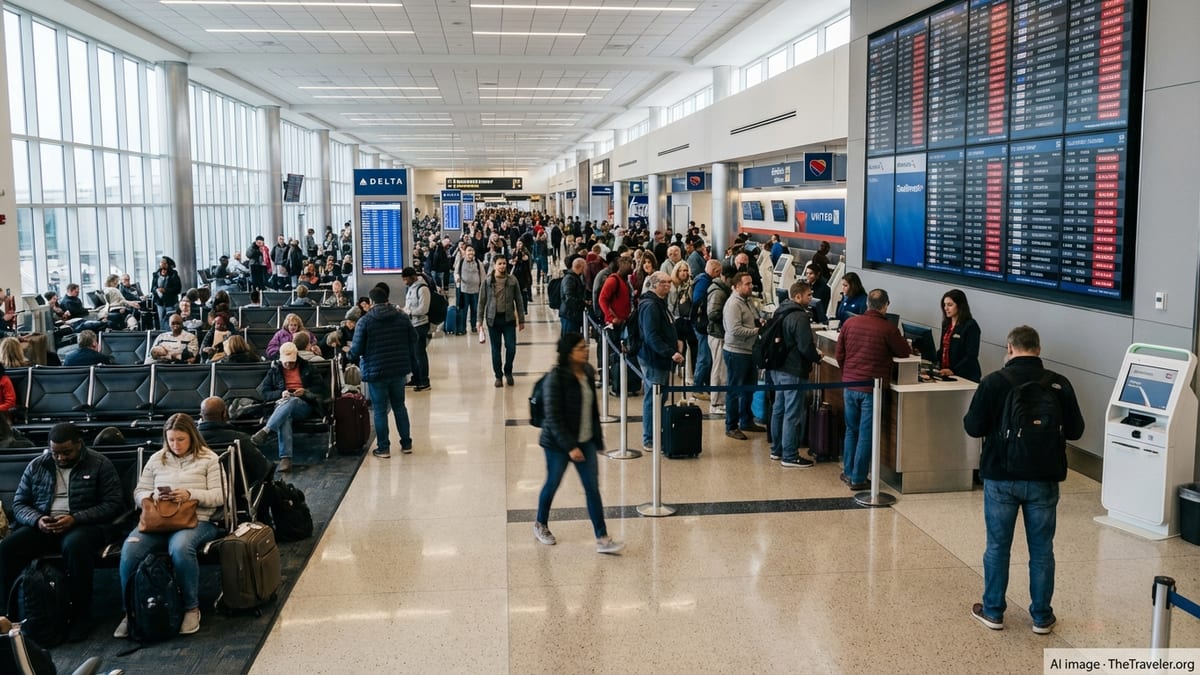
Cluster of Cancellations Hits Key Domestic and International Routes
Publicly available flight-tracking data and airport status boards on Thursday point to a concentrated pocket of cancellations affecting services operated by Frontier Airlines, American Airlines and Spirit Airlines at Philadelphia International Airport. The cancellations are spread across both departures and arrivals, affecting a mix of early-morning and midday operations.
The disrupted routes include heavily traveled domestic links to Chicago, Orlando and Nashville, as well as long-haul service to London and leisure-oriented flights to San Juan in Puerto Rico. The pattern is compounding broader congestion across the U.S. network this week, where multiple hubs are already managing elevated delay levels.
While the exact combination of causes varies flight by flight, the cancellations are emerging against a backdrop of spring weather systems in the Northeast, tight aircraft utilization and continuing staffing constraints at some carriers. The result for passengers is a sharp, localized shock at one of the region’s most important connecting airports.
Operations remain far from a full shutdown, but the removal of 10 flights in a single day on overlapping airlines and routes is significant enough to squeeze seat availability and push rebooked travelers onto already busy later departures.
Delays Ripple Across Frontier, American and Spirit Networks
The cancellations at Philadelphia are being matched by a broad band of delays across the same three carriers, with many flights posting revised departure or arrival times ranging from 30 minutes to more than two hours. Data aggregators that monitor on-time performance have already flagged increased schedule pressure at low-cost operators this spring, particularly on popular Florida and Caribbean routes.
Frontier’s services between Philadelphia and leisure destinations such as Orlando and San Juan are especially sensitive to aircraft rotation issues, since aircraft often run multiple segments per day with little buffer. When an inbound aircraft arrives late from another city, subsequent flights from Philadelphia can quickly fall behind schedule, creating rolling delays along the route map.
American Airlines, which maintains a substantial presence at Philadelphia, is also experiencing knock-on effects as it adjusts aircraft and crew assignments to cover disrupted segments. Even a small number of cancellations can require complex rebalancing across regional partners and transatlantic flights, particularly for long-haul services to London that operate with fixed slot times at busy European airports.
Spirit Airlines, which has been expanding at Philadelphia in recent seasons, appears to be contending with the same mix of operational and staffing pressures that have affected its reliability at other U.S. airports in recent months. For travelers, the outcome is similar regardless of carrier: crowded gate areas, rolling departure estimates and increased competition for limited rebooking options.
Spring Weather and Tight Schedules Expose System Fragility
The disruptions at Philadelphia are unfolding during a period when the wider U.S. air travel network is already under strain. Recent weather systems sweeping through the Southeast and Northeast have prompted hundreds of delays and cancellations at major hubs, and industry data indicates that even modest storms or air traffic control restrictions can now trigger outsized operational impacts.
Analysts note that ultra-low-cost carriers such as Frontier and Spirit often run aircraft more intensively than legacy peers, leaving limited margin for recovery when a flight is delayed or a jet requires unexpected maintenance. American, while operating with a larger fleet, faces its own constraints in crew availability and gate space during peak banks of flights at airports like Philadelphia.
Philadelphia’s role as both an origin-and-destination airport for local travelers and a connecting node for transatlantic flights further amplifies the effect of disruption. A delayed Orlando or Nashville departure does not just inconvenience point-to-point passengers; it can also cause missed connections for travelers headed onward to international cities such as London or regional destinations across the Northeast and Midwest.
Industry observers suggest that this week’s events at Philadelphia fit into a broader pattern of spring volatility, in which surging demand, lingering staffing challenges and weather-driven airspace constraints interact to reduce overall resilience in airline schedules.
Travelers Scramble for Alternatives to Chicago, London and Beyond
Thursday’s cancellations are forcing many passengers to rethink journeys that rely on Philadelphia as a key link in multi-leg itineraries. Those headed for Chicago, for example, often have a choice of both Chicago O’Hare and Chicago Midway, but alternative flights may be fully booked or significantly more expensive by the time disruption becomes clear.
For travelers bound for London, limited daily frequencies and fixed transatlantic departure windows can make same-day recovery difficult. Once a long-haul flight is removed from the schedule, passengers may be rebooked via other hubs such as New York or Chicago, adding extra connections and travel time to already long journeys.
Leisure travelers to Orlando, Nashville and San Juan are facing their own challenges, particularly when trips are tied to cruise departures, events or short weekend stays. Losing a half or full day to a delay or cancellation can sharply reduce the value of a quick getaway, and same-day alternatives from neighboring airports such as Newark, Baltimore or New York may not always be practical.
Reports from recent disruption events at other U.S. airports suggest that many travelers are increasingly weighing the trade-off between ultra-low fares and the risk of operational volatility, especially on tight itineraries or time-sensitive trips.
What Passengers at Philadelphia Can Do Right Now
For those caught up in Thursday’s disruption at Philadelphia, travel experts commonly point to several practical steps. First, travelers are advised to monitor their flight status directly through airline apps and airport displays, as departure times and gate assignments can change rapidly when schedules are under stress.
Second, passengers whose flights are cancelled or experience significant delays may have options to rebook at no additional fare cost on later flights or, in some cases, on nearby dates. Policies differ by airline and by the reason for the disruption, so reviewing official conditions of carriage and any active travel advisories can help clarify what assistance is available.
Third, travelers with time-sensitive commitments may find it worthwhile to explore alternative routings through other hubs or nearby airports, especially on routes such as Chicago, Orlando and London where multiple carriers operate. In some past events, passengers have found that same-day departures from another airport within driving distance offered a more reliable path to their final destination.
Finally, passenger-rights organizations continue to encourage travelers to keep detailed records of their disruption, including boarding passes, receipts and any written communication from airlines. Depending on the cause of a delay or cancellation and the jurisdiction involved, such documentation can be useful in seeking refunds, vouchers or compensation once the immediate travel issue is resolved.