

More news on this day
Passengers at Portland International Airport faced a difficult travel day on March 8 as a cluster of six cancellations and dozens of delays across Alaska Airlines, Delta Air Lines, SkyWest and United disrupted key domestic and international routes, snarling connections to Los Angeles, Vancouver, Amsterdam, Boise, Boston and other major destinations.
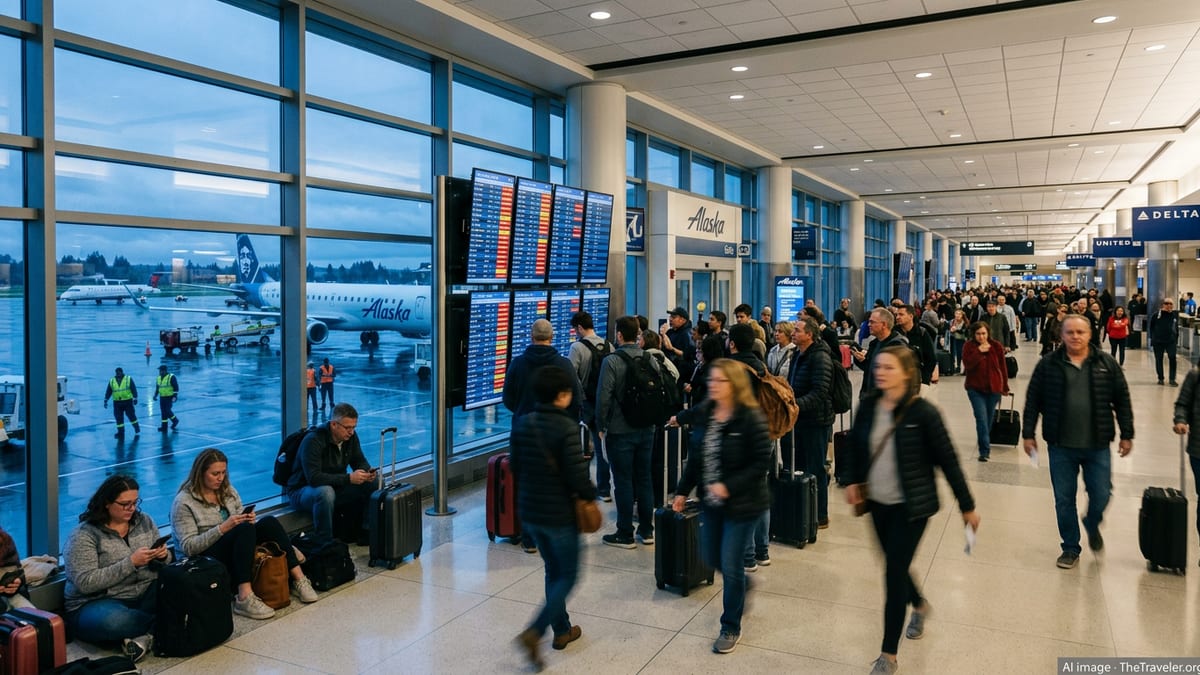
Web of Disruptions Hits Key West Coast and Transcontinental Routes
Operational disruptions rippled through Portland International Airport from early Sunday morning, as a series of schedule changes threw off what is typically a busy weekend travel pattern. While Portland did not experience the worst of the severe weather that hammered other parts of the country on March 7, knock-on effects from storms and crew displacements elsewhere translated into localized turmoil at the Oregon hub on March 8.
Alaska Airlines, the dominant carrier at Portland, bore a significant share of the pain. A combination of mainline and regional flights operated by SkyWest was affected, including a cancelled Alaska service between San Diego and Portland that left southbound and connecting passengers scrambling for alternatives. Other Alaska-operated departures to major West Coast gateways, including connections feeding into Los Angeles and Vancouver, departed late after inbound aircraft and crews arrived behind schedule from weather-hit hubs.
Delta and United, both of which rely heavily on regional partners such as SkyWest for their Portland feed, also reported scattered cancellations and lengthy delays. Several morning and mid-day departures to core hubs, including Los Angeles, Salt Lake City, Denver and San Francisco, left well behind schedule, compressing connection windows for passengers aiming to reach Boston and other East Coast cities by late evening.
International travelers were not spared. At least one departure connecting Portland passengers to Amsterdam via a major U.S. hub departed late enough to force rebookings onto alternative overnight corridors, with some travelers facing unexpected hotel stays or reroutes via Seattle and Vancouver.
Six Cancellations Underscore Vulnerability of Regional Operations
While six cancellations might appear modest compared with the hundreds of scrubbed flights nationwide on March 7, the impact at a medium-sized hub such as Portland can be dramatic, particularly when they involve regional aircraft connecting smaller cities. Industry data show that SkyWest, which flies under the banners of Alaska, Delta and United, was among the hardest-hit carriers in the national disruptions triggered by Friday’s storms and low ceilings, and that weakness flowed directly into Portland’s Sunday schedule.
At Portland, a handful of cancelled regional departures effectively severed same-day nonstop links for communities that rely on a single daily flight to connect into the broader network. Travelers heading to and from Boise, Spokane and smaller West Coast markets found themselves facing long lines at customer service desks, as agents tried to stitch together itineraries through Seattle, San Francisco or Denver using limited remaining seats.
For some passengers, the cancellations meant more than an inconvenient delay. Business travelers with early Monday meetings in Los Angeles and Boston reported being rebooked onto red-eye flights with tight connections, while leisure travelers heading for cruises and package tours out of Southern California hubs worried about missing hard start times. Parents traveling with children described the added stress of unexpected overnight stays in airport hotels and last-minute changes to ground transportation and pet care at home.
The concentrated burst of cancellations also illustrated how heavily Portland’s schedule leans on a relatively small number of regional operators. When a single contract carrier such as SkyWest is strained by weather or staffing issues across multiple hubs, Portland can experience an outsized shock even on a day when local conditions appear calm.
Nationwide Weather Chaos Sends Shockwaves to Portland
The turbulence at Portland came in the wake of a chaotic day for the U.S. air travel system. On March 7, thunderstorms, snow and low cloud ceilings triggered ground stops at major hubs, contributing to hundreds of cancellations and thousands of delays across the country. Although Portland escaped the worst of the meteorological impacts, airlines were still repositioning aircraft and crews on March 8, with schedules fragile after a bruising Saturday.
Carriers typically build some slack into their operations, but when multiple hubs are hit at once, the recovery can take days rather than hours. Delta and United spent Sunday working to get aircraft back into regular rotation after weather-related disruptions in Chicago, Denver and Atlanta, while Alaska and SkyWest faced similar challenges from the West Coast and Rocky Mountain corridor.
For Portland-based travelers, this meant that flights which appeared normal on departure boards earlier in the week suddenly showed delays of 60 to 90 minutes or more, often with little warning. Some aircraft that did depart on time from Portland were carrying passengers who had been rebooked from Saturday’s cancelled services, further tightening seat availability for Sunday’s travelers.
Industry analysts note that the episode is another reminder of how interconnected the U.S. air traffic system has become. A snowstorm in the Rockies or thunderstorms in the Midwest can easily ripple out to affect an international departure from Portland to Amsterdam or a routine Sunday evening flight to Vancouver, even under clear skies in Oregon.
Airlines Offer Waivers as Passengers Seek Alternatives
With Sunday’s cancellations clustered among four major brands at Portland, airlines moved to soften the blow by offering limited-fee or no-fee rebooking options. Alaska, Delta, SkyWest partners and United all advised passengers on affected flights to check their apps or online accounts for updated options, including same-day changes and standby lists.
Customer service desks and gate podiums in Portland’s concourses saw heavy traffic for much of the day, as passengers sought routing options that would preserve critical connections to cities such as Los Angeles, Boston and Amsterdam. Airline agents juggled rebookings onto later departures via Seattle, San Francisco and Minneapolis, while some travelers opted to cancel altogether in exchange for travel credits and attempt their journeys later in the week.
For those already in the terminal when their flights were cancelled, the airport’s amenities offered some measure of relief. Portland’s food, beverage and retail options were notably busy, as travelers used meal vouchers and waited out extended layovers, refreshing flight-status screens and gate information in hopes of earlier departures.
However, some passengers expressed frustration at the pace and clarity of communication, particularly when delays extended repeatedly in small increments rather than appearing as a single revised departure time. Several noted that push notifications and in-app updates sometimes lagged behind what gate agents were already announcing in person.
What Travelers Through Portland Should Expect Next
While airlines worked through Sunday evening to restore normal operations, travel advisers recommended that passengers flying into or out of Portland over the next 24 to 48 hours build extra buffer time into their plans. Even as weather improves nationally, residual crew and aircraft imbalances can continue to affect schedules, especially on thinner regional routes serving cities such as Boise, Spokane and secondary California markets.
Experts also urged travelers connecting through Portland to long-haul and international services to pay close attention to minimum connection times. With some flights to East Coast gateways and European hubs still operating under tightened schedules, missing a domestic feeder flight could mean a delay of a full day for onward travel.
For now, airlines advise passengers to check their flight status frequently on the day of travel, to ensure their contact details are up to date in their reservations, and to consider earlier departures if they are connecting to critical flights to Los Angeles, Vancouver, Amsterdam or Boston. While Sunday’s bout of cancellations and delays is expected to ease as the week progresses, Portland’s experience once again highlights how quickly a handful of schedule disruptions can cascade into a much larger headache for travelers across multiple time zones.