

More news on this day
Travelers at Oslo Airport faced fresh disruption today as 20 flight cancellations and at least eight significant delays rippled across key European routes, affecting departures to Ireland, Spain, the United Kingdom, Sweden, the Netherlands and other destinations.
Get the latest news straight to your inbox!
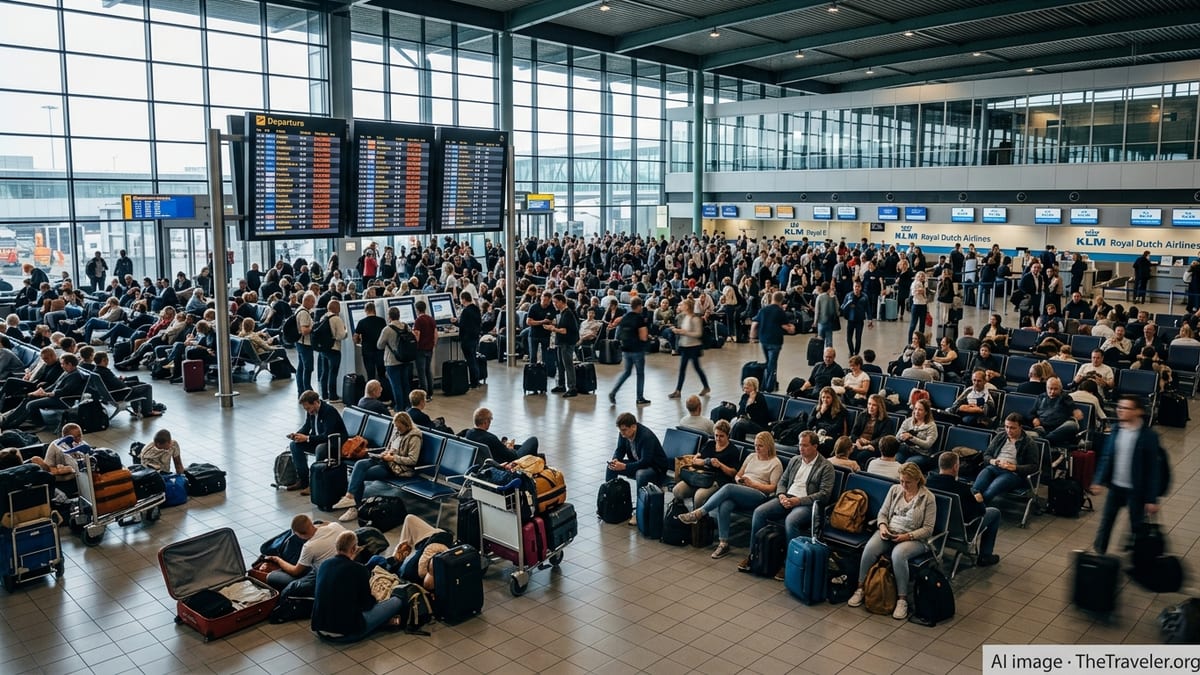
Oslo Departures Hit As European Links Cut Back
Publicly available flight information from Oslo Airport shows an unusually high number of cancellations affecting short haul services today, with routes to major hubs in Ireland, Spain, the UK, Sweden and the Netherlands especially impacted. The pattern has raised concerns among passengers relying on Gardermoen as a key connecting point for both leisure and business travel across Europe.
Data from airport departure boards indicates that around 20 flights were cancelled over the course of the day, alongside at least eight departures experiencing extended delays. The disruption spans morning, afternoon and evening schedules, concentrating pressure on already busy time bands and tightening available options for rebooking.
Services to cities in Ireland, Spain and the UK appear among the most affected, limiting access to important onward connections on transatlantic and Mediterranean networks. Travelers heading to Sweden and the Netherlands have also reported interruptions to otherwise frequent shuttle operations between Scandinavian and continental hubs.
The elevated level of disruption is notable because Oslo is typically regarded as a relatively punctual Nordic gateway, and the clustered nature of today's cancellations has led to crowded check in halls and longer queues at service desks as passengers seek alternative itineraries.
Major Carriers Including SAS, Norwegian And British Airways Affected
The cancellations and delays at Oslo Airport cut across multiple carriers, with Scandinavian Airlines (SAS), Norwegian, British Airways and Pegasus among the airlines whose flights did not operate as scheduled. Additional European airlines operating to and from Oslo also appear on the list of affected services, underscoring the network wide impact of operational constraints.
SAS, one of the dominant operators at Gardermoen, has already been in the spotlight this season over broader schedule adjustments and occasional cancellations on Nordic routes. Today’s events add to the strain for passengers using SAS to reach Scandinavian and European capitals, with some domestic and regional links from Oslo reportedly removed from departure screens or reassigned to later departures.
Norwegian, which runs an extensive short haul network from Oslo, has also seen selected flights grounded, complicating travel plans for holidaymakers bound for Spanish coastal airports and city destinations. For many travelers, Norwegian is a primary choice for direct routes between Norway and popular vacation spots, so even a relatively small number of cancellations can leave limited same day alternatives.
British Airways and Pegasus have been affected on key services that connect Norway with London area airports and southern European hubs. Disruptions on these routes can have a knock on effect on connecting passengers, including those heading onward to long haul flights that operate only once daily.
Knock On Impact For Connections And Holiday Travel
The timing of the cancellations is particularly challenging for passengers relying on Oslo as a connecting hub. Many itineraries from regional Norwegian airports and neighboring Nordic cities depend on short transfer windows at Gardermoen to link into flights bound for the UK, Ireland, Spain and the Netherlands. With multiple departures cancelled within the same time frames, some travelers face missed onward connections and unexpected overnight stays.
Reports from travelers on social media and travel forums describe long waits at customer service counters and difficulties securing replacement seats on remaining flights. Peak summer and shoulder season departures already tend to operate with high load factors, leaving airlines with little flexibility to re accommodate disrupted passengers on the same day.
Holidaymakers heading to Spanish resorts, Irish gateways and British cities are among those most exposed, as many had arranged accommodation, rental cars and tours aligned with specific arrival times. Cancellations from Oslo can set off a chain of additional changes, from rebooking hotels to adjusting ground transport and activities at the destination.
For business travelers, the loss of morning flights from Oslo to key European financial centers can mean missed meetings and postponed negotiations. Even where alternative options exist later in the day, extended delays and rerouted itineraries increase travel time and costs, particularly for those booking at short notice.
Weather, Capacity And Operational Factors Under Scrutiny
While a detailed breakdown of today’s disruptions has not been fully outlined in publicly accessible sources, several recurring themes in recent aviation coverage around Oslo and wider European air travel provide context. Weather conditions, air traffic control constraints, staffing levels and schedule resilience have all been cited in previous instances of cluster cancellations involving Nordic hubs.
Even moderate weather issues can have a magnified effect when combined with tight turnarounds and high seasonal demand. Aircraft and crew arriving late from other European airports may cause knock on delays in Oslo, particularly on routes operated with limited spare capacity. When this coincides with local operational challenges, carriers sometimes consolidate or cancel selected departures to stabilize the rest of the schedule.
Industry observers have also pointed to broader structural pressures facing European airlines, including cost control measures and fleet optimization, which can reduce the margin to absorb disruptions. If a carrier has fewer standby aircraft or crew available at Oslo, a technical issue or delayed inbound flight may be more likely to lead to outright cancellation rather than a shorter delay.
In addition, ongoing changes to air traffic management procedures and congestion at busy European hubs can have indirect effects on Nordic operations. Flights from Oslo heading to or via major Western European airports may be subject to flow restrictions, leading airlines to adjust rotations and, in some cases, drop individual sectors from the day’s plan.
What Travelers Can Expect In The Coming Days
With today’s cancellations and delays affecting a wide cross section of airlines and destinations, prospective travelers using Oslo Airport in the coming days are likely to monitor flight status information more closely. Recent patterns in European aviation suggest that once a cluster of cancellations appears in a daily schedule, it can take time for operations to fully normalize, especially if aircraft and crews are out of position.
Passengers booked on flights to Ireland, Spain, the UK, Sweden and the Netherlands may face altered departure times or equipment changes as airlines attempt to rebalance networks. Some carriers may proactively consolidate lightly booked services or adjust frequencies to maintain overall reliability, which could result in further timetable revisions even if individual flights are not formally cancelled.
Travel advice from consumer groups typically emphasizes checking flight status repeatedly on the day of departure, arriving at the airport early, and considering routing flexibility where possible. For those with tight connections in Oslo, allowing additional buffer time between flights can help mitigate the risk of missed onward journeys when schedules are disrupted.
As the summer and early autumn travel period continues, the situation at Oslo Airport will remain a closely watched indicator of how Nordic and European carriers are coping with operational challenges. Today's wave of cancellations and delays highlights the vulnerability of densely scheduled short haul networks to relatively small disturbances, and the significant impact that even a limited number of grounded flights can have on passengers across the region.