

More news on this day
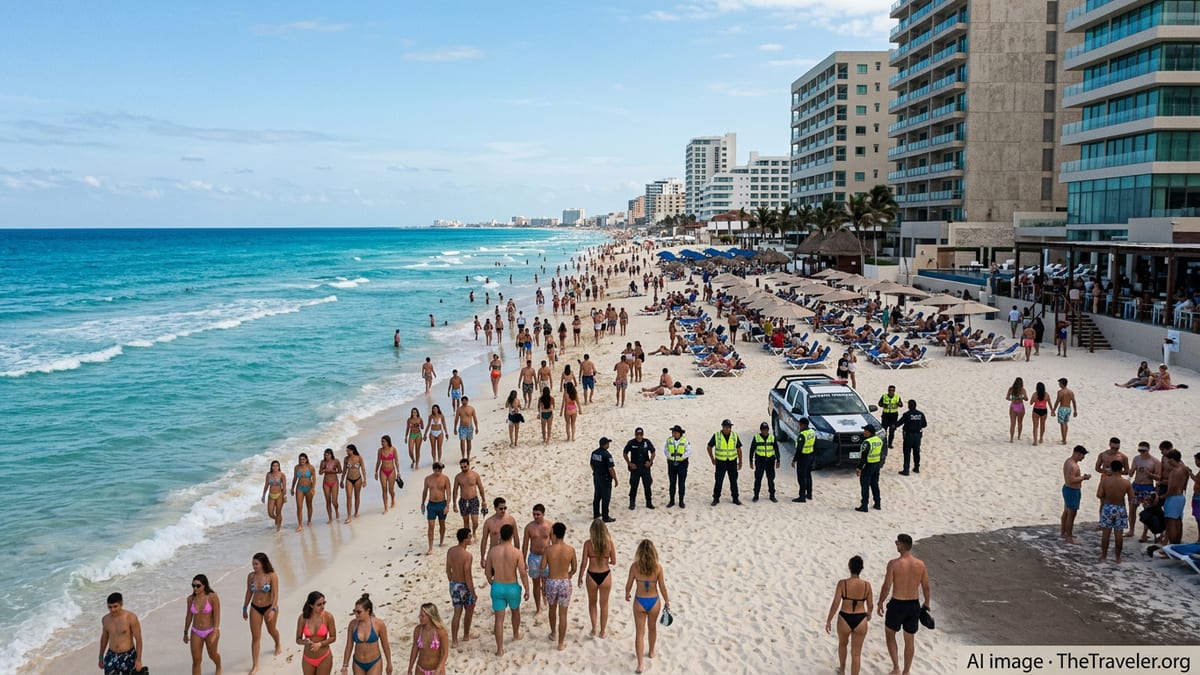
Cancun has been swept into an expanded U.S. security alert for spring break in Mexico, as federal officials warn American travelers to rethink how and where they celebrate in 2026.
What the New Spring Break Security Alert Actually Says
The U.S. Mission in Mexico issued a series of security alerts in late February after Mexican forces killed a powerful cartel leader, triggering days of unrest across the country. One of those alerts urged Americans in multiple states, including Quintana Roo, to shelter in place because of security operations, road blockages and related criminal activity. Quintana Roo is home to Cancun, Playa del Carmen, Tulum and Cozumel, four of the country’s most visited beach destinations for U.S. spring breakers.
While a subsequent update said conditions had "returned to normal" in Quintana Roo, the episode prompted U.S. officials to fold the entire Riviera Maya corridor into their broader spring break messaging. The State Department’s nationwide advisory for Mexico currently sits at Level 2, meaning travelers are urged to exercise increased caution, but it pairs that with stronger Level 3 and Level 4 warnings in higher-risk states elsewhere in the country.
The practical effect for Cancun-bound Americans is less about a formal ban on travel and more about a sharper tone. Consular officials are explicitly tying spring break behavior to risk, flagging issues that range from violent crime and drug use to strict local laws on vaping devices and public disorder.
For many travelers, the change will not cancel their trips. Instead, it reframes Cancun and neighboring resorts as places where vigilance and preparation are now considered essential parts of the packing list.
Cancun, Playa del Carmen and Tulum: Why They Are in the Spotlight
Cancun, Playa del Carmen and Tulum have long marketed themselves as havens of sun, clubs and all-inclusive ease, a sharp contrast to the cartel-plagued interior of Mexico often seen in headlines. Yet a wave of cartel-related violence elsewhere, combined with isolated but high-profile incidents in tourist zones in recent years, has made it harder for authorities to treat beach destinations as fully insulated from the country’s broader security story.
The latest alert does not suggest that Cancun’s hotel zone or Playa del Carmen’s resort strip are currently under siege. Flights into Cancun International Airport are operating normally, and Mexican tourism officials stress that security forces are highly visible in major resort areas. Still, the State Department’s decision to name-check Cancun, Playa del Carmen and Tulum in its messaging underlines that these places are within states affected by nationwide security operations and are not immune to disruptions.
For spring breakers, the geography matters. The resorts of Quintana Roo are far from the western and northern states where cartel clashes have been most intense, but they are linked via national highways, air routes and supply chains that can be disrupted when federal forces move against criminal groups. Street protests, roadblocks on key corridors and temporary curfews in other regions can ripple into flight cancellations, missed connections and last-minute itinerary changes, even when beaches remain calm.
Local tourism businesses are trying to reassure guests while quietly adjusting security protocols. Many large resorts are tightening access controls, adding more visible security patrols and encouraging guests to use vetted transportation rather than wandering into town at night.
How the Advisory Fits Into Mexico’s Layered Warning System
The Mexico advisory that underpins the spring break alert is more complex than a simple do-not-travel message. At the top level, the State Department labels Mexico as a Level 2 destination overall, signaling that Americans should exercise increased caution nationwide, particularly in relation to crime and kidnapping. Within that, several states are carved out with stricter recommendations.
States such as Colima, Guerrero, Michoacán, Sinaloa, Tamaulipas and Zacatecas are subject to Level 4 advisories, the government’s strongest warning, effectively telling travelers not to go because of high levels of violence and the limited capacity of local authorities to respond. Others, including Jalisco and Baja California, carry Level 3 guidance that urges travelers to reconsider trips due to crime and gang activity.
Quintana Roo, where Cancun, Playa del Carmen and Tulum sit, remains under the broader Level 2 umbrella. That is a crucial distinction for airlines, hotels and cruise lines, many of which continue to operate full schedules to Caribbean-side resorts even as they adjust itineraries in and around Pacific ports facing more disruption. Yet the inclusion of Quintana Roo in the February shelter-in-place alerts made clear that resort states can be pulled into short-term security operations when national conditions deteriorate.
For travelers, the message is that Mexico is not a monolith. Beach hotspots popular with U.S. visitors may be operating normally, but they sit within a national security landscape that is fluid and can change quickly following major criminal or political events.
Practical Risks for Spring Breakers in Cancun and the Riviera Maya
The updated alert for spring break focuses not only on large-scale unrest but also on individual behavior. U.S. officials warn that violent crime, including armed robbery and assault, can occur in tourist areas, particularly late at night around bars, clubs and poorly lit streets off the main hotel strips. Excessive alcohol consumption and drug use, they note, can make visitors easy targets for opportunistic crime.
There is also a renewed emphasis on the dangers of counterfeit or synthetic drugs, which have been linked to overdoses among tourists in multiple countries. The advisory stresses that illegal substances in Mexico may be laced with powerful synthetic opioids, and that purchasing or using them can carry both lethal health risks and serious legal consequences.
Another focal point is local law. Authorities are reminding travelers that rules in Mexico can be stricter than in many U.S. states, especially around vaping devices, controlled medications and public disorder. Confiscations, fines and even detention are possible for those who carry prohibited items through airports or use them in restricted public spaces. Spring breakers arriving with e-cigarettes, THC products or prescription pills in unmarked containers may face attention from customs or local police.
Infrastructure and logistics risks round out the picture. Even when beaches are peaceful, security operations elsewhere in the country can lead to highway closures, delayed flights or cruise ships skipping scheduled calls. Travelers may find that getting to or from Cancun, Cozumel or Tulum takes longer than expected, or that itineraries are reshuffled at short notice to avoid trouble spots.
What Travelers Can Do Before They Land in Cancun
With Cancun, Playa del Carmen and Tulum folded into the broader spring break advisory, travel experts say preparation is now as important as picking the right resort. They urge U.S. citizens to read the full Mexico travel advisory, paying particular attention to the sections on the states they plan to visit, and to monitor security alerts from the U.S. Embassy and consulates in Mexico in the days before departure.
Enrolling trip details with consular authorities and sharing itineraries with family back home can help ensure travelers receive timely updates if conditions shift. Travel advisers are also steering clients toward flexible bookings and comprehensive insurance policies that cover trip interruption related to civil unrest or government advisories, not just weather and medical emergencies.
On the ground, seasoned visitors recommend sticking to well-lit, well-patrolled areas; avoiding isolated beaches at night; using hotel-vetted transportation rather than hailing random taxis; and traveling in groups when going out to clubs or festivals. Keeping copies of identification, emergency contacts and local consular numbers handy remains basic but valuable advice.
The overarching message from officials is not that no one should travel to Cancun this spring, but that those who do should arrive with eyes open. In 2026, the classic image of carefree beach parties is being tempered by a new reality: even in Mexico’s marquee resort cities, spring break now comes with a heightened expectation of personal responsibility and situational awareness.