

More news on this day
TUI Cruises has cancelled a scheduled Cape Town call and reworked elements of its upcoming African program, with updated itineraries indicating a strategic shift in how the German line positions voyages around the continent.
Get the latest news straight to your inbox!
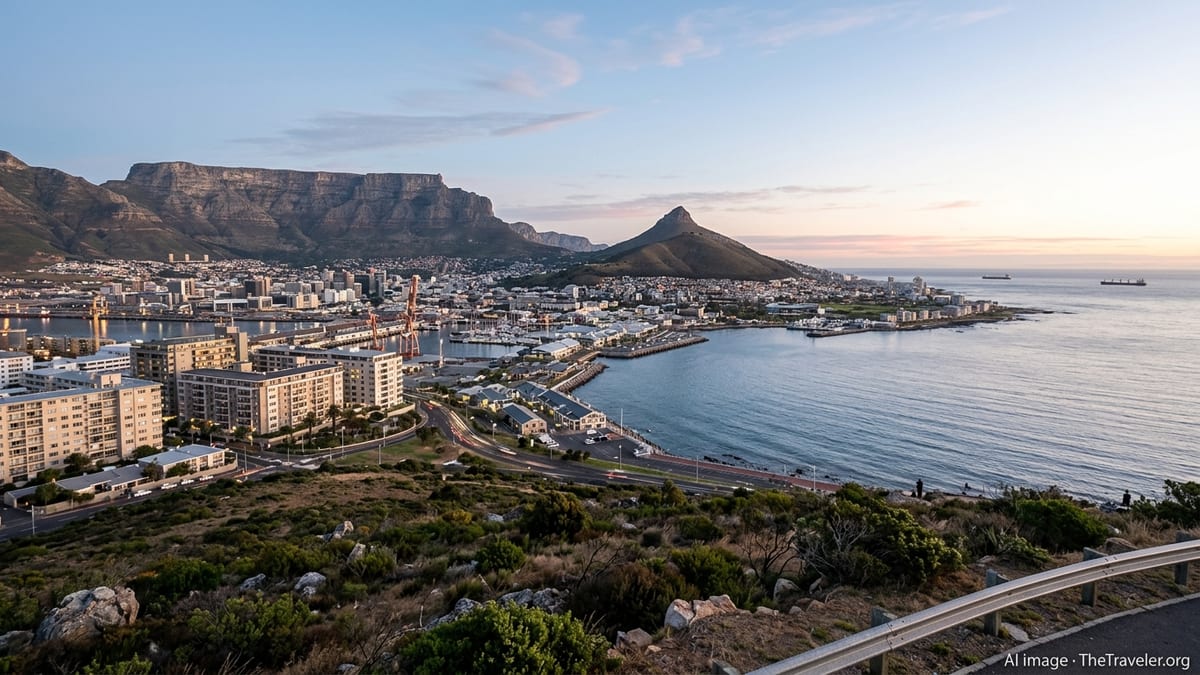
Cape Town Call Quietly Removed From Upcoming Season
Recent program materials and booking information for TUI Cruises show that a previously advertised cruise featuring Cape Town as a highlight port has been withdrawn, with revised itineraries now omitting the South African city on at least one sailing. Publicly available schedules suggest that earlier plans for a voyage combining Cape Town with calls such as Walvis Bay and island stops in the Atlantic have been replaced by routes that keep ships on alternative segments of the African coastline.
The adjustment affects part of TUI Cruises’ broader Africa offering, which has been marketed in recent seasons as a blend of Indian Ocean, Southern African and transoceanic segments linking Europe and Asia. Newer planning documents still feature Cape Town on some long-haul repositioning cruises, but the removal of the dedicated Cape Town segment reduces the number of options for travelers seeking a roundtrip or Africa-focused itinerary anchored in the city.
For Cape Town’s tourism economy, the loss of a scheduled call can mean fewer short-stay visitors during the affected week, even if overall cruise traffic to the city remains supported by other lines. Travel industry coverage notes that cruise operators have increasingly fine-tuned port calls around Africa, with some voyages being shortened, retimed or rerouted in response to operational and demand considerations.
The change underscores how cruise deployment decisions are often made months in advance, with brochures, online listings and booking engines updated as lines finalize seasonal plans. For would-be passengers, the cancellation demonstrates the importance of regularly checking reservation details as departure dates approach, particularly on complex itineraries that transit multiple regions.
Africa Itineraries Redrawn Around Emerging Hotspots
The Cape Town adjustment forms part of a wider pattern of cruise lines rebalancing African itineraries. Published coverage across the industry points to a growing emphasis on Indian Ocean islands, Southern African gateways such as Durban and Gqeberha, and select Atlantic stops including Walvis Bay and Cape Verde, as operators build routes that remain attractive while navigating regional uncertainties.
TUI Cruises’ own planning documents for winter 2025 and 2026 still highlight substantial Africa-linked segments, including long repositioning voyages that join ports in Europe and Asia with calls in Mauritius, Réunion and South Africa. However, the specific combination of ports and the sequence of visits has shifted, with certain stand-alone Cape Town offerings no longer appearing in updated materials.
Industry analysts note that cruise lines have been reevaluating routes that rely heavily on single marquee ports, favoring itineraries that can be flexed between Atlantic and Indian Ocean coasts if needed. Africa’s growing appeal as a cruise destination, particularly for German-speaking and European markets, continues to drive interest, but operators appear more willing to substitute ports or alter segments than in previous years.
For travelers, this can result in itineraries that retain an African focus but look noticeably different from early brochure concepts. Rather than a tightly concentrated Cape Town cruise, guests might now find multi-region voyages that feature shorter calls spread across a larger geographic footprint.
Safety, Logistics and Demand Shape Route Decisions
Across the global cruise sector, itinerary changes around Africa have increasingly been linked to a mix of safety assessments, logistical realities and shifting consumer demand. In other regions, lines have cited security concerns, port infrastructure work and wider geopolitical tensions as reasons for canceling or rerouting sailings, and observers suggest similar pressures can influence planning for African deployments.
Operationally, voyages that navigate between the Indian Ocean, Southern Africa and Europe must account for fuel costs, sailing speeds, crew logistics and port slot availability. Adjusting or cancelling a Cape Town call can create additional flexibility in sea days and port timing, helping lines coordinate with port authorities and manage the complex choreography of multi-week repositioning cruises.
Demand patterns also play a role. Cruise commentators have observed that some travelers remain cautious about long-haul itineraries that combine several emerging destinations, prompting lines to test different combinations of ports and durations. A Cape Town voyage that may have looked strong when first announced can be reworked if bookings cluster around different dates, ships or regions.
Publicly available information from multiple cruise brands operating around Africa indicates that such shifts are not unique to one company. Instead, they are part of an evolving map of preferred routes that can change from one season to the next, particularly when external conditions make certain combinations more challenging to sustain.
Impact on Travelers With Existing Bookings
For guests who had planned on sailing an itinerary centered on Cape Town, the cancellation means recalibrating expectations. Some may choose to keep their booking if the revised itinerary still visits other African or Indian Ocean ports of interest, while others may opt to switch to different dates, ships or even cruise lines that maintain Cape Town calls within their published schedules.
Travel forums and consumer reports frequently highlight how itinerary changes can affect associated arrangements such as flights, hotel stays and pre-booked shore excursions. When a turnaround or marquee port is removed, travelers who built extended land stays around the cruise often need to adjust arrival and departure plans, or consider spending more time in alternative ports that remain on the schedule.
Published advice from travel advisors generally emphasizes reading the fine print in cruise contracts, which typically state that ports and timings are not guaranteed and may be altered at the operator’s discretion. While some companies offer onboard credit or rebooking options in certain cases, compensation policies can vary widely and may depend on whether a cruise is fully cancelled or simply modified.
In practical terms, the change to TUI Cruises’ Cape Town program serves as a reminder for travelers to monitor booking portals and communication from their cruise line, particularly in the months leading up to departure. Keeping flexible flight arrangements and reviewing travel insurance coverage for itinerary disruptions can provide an additional layer of reassurance.
Cruise Lines Reposition Around the African Continent
Even with the cancellation of the Cape Town cruise in question, Africa remains a prominent feature in planning for several major ocean-going fleets. Announcements from premium and luxury brands highlight new world voyages and long segments that include Cape Town as part of grand journeys spanning multiple continents, suggesting that the city will continue to serve as a key gateway in spite of near-term adjustments.
At the same time, newer ships entering service for European and German-speaking markets are being deployed with a focus on energy efficiency and long-range capability, characteristics that make them well suited to extended itineraries linking Europe, Asia and Africa. This creates more flexibility for lines like TUI Cruises to experiment with different combinations of African ports over successive seasons.
As cruise deployment continues to evolve, Cape Town’s position within broader Africa and world-cruise networks is likely to be shaped less by any single cancelled voyage and more by long-term patterns in traveler demand and regional stability. The latest changes by TUI Cruises illustrate how quickly individual sailings can be adjusted, even as the wider trend points to a gradual expansion of Africa’s role on the global cruise map.
For TheTraveler.org readers tracking developments in the region, the key takeaway is that Africa-focused cruising remains in flux. Cape Town’s temporarily reduced presence in one operator’s schedule sits alongside a growing array of alternative sailings around the continent, giving passengers new options but also requiring closer attention to the fine details of any itinerary they choose.