

More news on this day
Cape Town is set to host ILTM Africa 2026 from 10 to 12 April, positioning the city at the center of Africa’s fast-evolving luxury travel market and sharpening its focus on high-value connections with the Middle East and other global hubs.
Get the latest news straight to your inbox!
Cape Town Cements Its Role as Africa’s Luxury Gateway
According to published event information, ILTM Africa 2026 will once again take place in Cape Town, confirming the city’s status as a primary gateway for high-end travel into and out of the continent. The show is part of the global International Luxury Travel Market portfolio, which curates invitation-only meetings between luxury travel brands and vetted travel advisors.
Publicly available details indicate that the 2026 edition will gather African safari operators, boutique hotels, private villa specialists, destination management companies and air carriers under one roof. The focus remains on curated, pre-scheduled appointments that are designed to translate directly into bookable itineraries, rather than a general consumer expo.
Cape Town’s selection as host ties in with its broader convention and events calendar, which in recent years has included large-scale tourism, technology and business meetings. The city’s combination of air connectivity, hotel capacity and established tourism infrastructure continues to underpin its role in attracting upscale trade events.
Strategic Spotlight on the Middle East Luxury Market
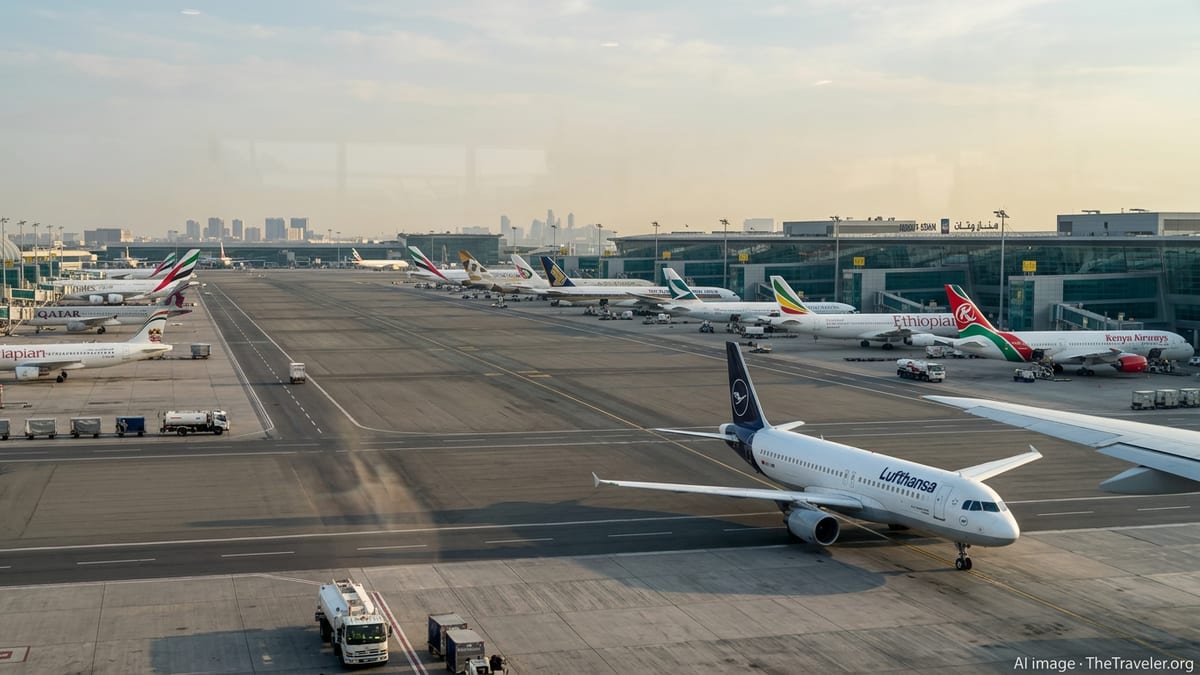
Industry coverage of recent ILTM and wider Reed travel portfolio events shows a growing emphasis on outbound and inbound links with the Middle East, particularly through regional hubs such as Dubai and Doha. These gateways are emerging as critical connectors between African destinations and high-spending travelers from the Gulf Cooperation Council states and wider Asia.
Reports indicate that hosted buyers from the Middle East have become an increasingly visible segment at Africa-focused trade shows, seeking new safari circuits, coastal retreats and city experiences that can be packaged with long-haul flights from their home markets. ILTM Africa 2026 is expected to build on this dynamic by aligning its appointment program with buyers who handle ultra-high-net-worth and family segments in the Gulf.
For African suppliers, deeper engagement with Middle Eastern agents offers an opportunity to diversify away from traditional source markets in Europe and North America. High-frequency air services via Middle Eastern carriers can also support multi-stop itineraries that combine African wildlife, Indian Ocean islands and city stays, creating more resilient, year-round demand.
Showcasing a Diversifying African Luxury Portfolio
Recent trade commentary suggests that ILTM Africa has evolved from a safari-heavy showcase into a broader platform for design-led hotels, wine and gastronomy experiences, wellness retreats and cultural itineraries. The 2026 edition is expected to reflect this shift, presenting a panorama of products that reach beyond the classic Big Five narrative.
Publicly available previews point to growing interest in privately guided conservation experiences, yacht and expedition cruising off the African coastline, as well as urban luxury in cities such as Cape Town, Johannesburg, Nairobi and Kigali. Boutique brands are increasingly using the event to position themselves alongside established international names while retaining a distinct sense of place.
In parallel, travel advisors attending ILTM Africa have been seeking products that respond to the preferences of younger luxury travelers, including immersive community encounters, responsible tourism credentials and flexible, tech-enabled service. The curated meetings format allows smaller operators to articulate these value propositions directly to decision-makers in key source markets.
Cape Town’s Infrastructure Underpins High-End Growth
Cape Town’s role as host city is supported by a maturing ecosystem of premium hotels, restaurants, cultural institutions and event venues. Trade publications tracking the city’s meetings and incentives sector highlight steady investment in hospitality upgrades and in the broader waterfront and winelands regions.
The city’s international airport serves as a primary entry point to southern Africa, with direct or one-stop links to major European, Middle Eastern and, increasingly, North American gateways. This air connectivity enables luxury travelers to combine Cape Town with private reserve safaris, Indian Ocean beach resorts or pan-African itineraries without lengthy detours.
Event-focused reporting also notes the importance of Cape Town’s established professional services sector, from destination management companies to specialized event producers, in supporting high-profile trade gatherings. ILTM Africa 2026 is expected to benefit from that experience, ensuring tight logistics for hosted buyers who are typically on compressed schedules and demanding high service standards.
Broader Implications for Africa’s Luxury Travel Economy
Analysts tracking premium tourism flows into Africa point to sustained interest at the top end of the market, even amid wider macroeconomic uncertainty. High-net-worth travelers tend to prioritize privacy, exclusivity and meaningful experiences over volume-based price sensitivity, making them an attractive segment for destinations seeking higher yields with lower environmental impact.
Events such as ILTM Africa 2026 function as accelerators in this context, shortening the path between new or emerging products and the global distribution channels that can deliver qualified guests. The increasing participation of Middle Eastern and Asian buyers adds additional layers of resilience, reducing dependence on any single geography.
With Cape Town hosting the 2026 edition, Africa’s luxury travel sector has another platform to present itself as sophisticated, diverse and investment-ready. How effectively suppliers and buyers convert the event’s meetings into long-term partnerships, particularly on the Middle Eastern corridors, is likely to influence the trajectory of the continent’s high-end tourism over the coming years.