

More news on this day
Cape Town has surged past a record-breaking 533,000 tourist arrivals in its latest reporting period, with sharp gains across domestic, regional, and international markets that reinforce the city’s reputation as Africa’s premier travel destination.
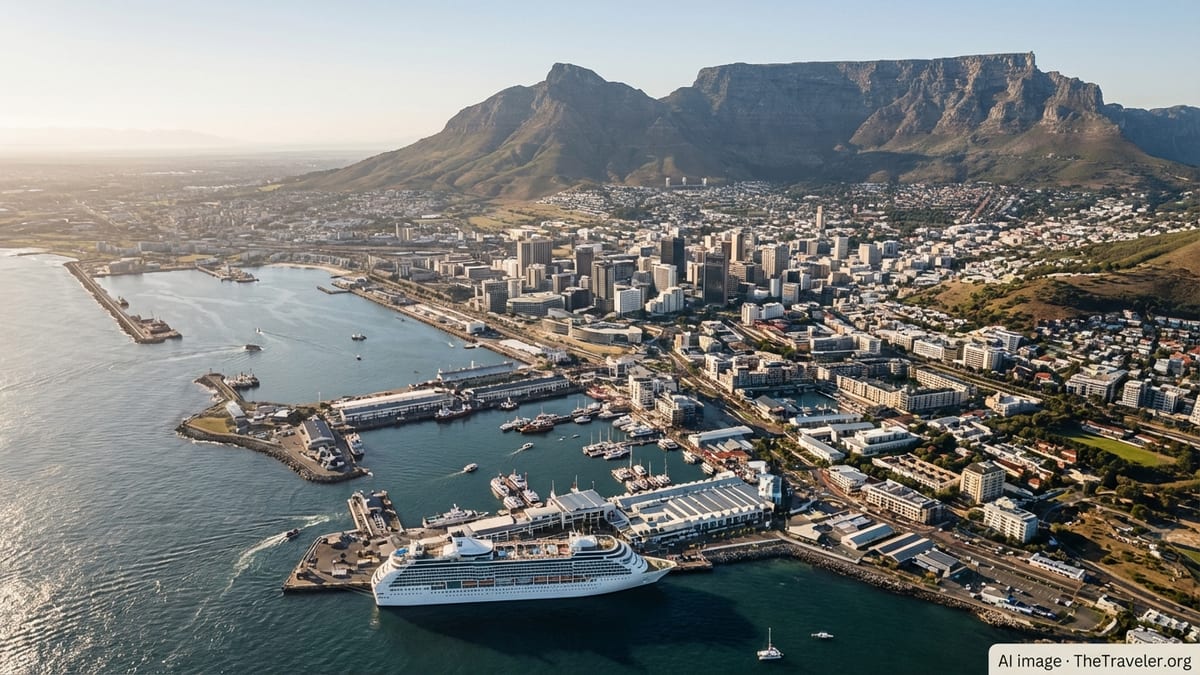
Record Passenger Volumes Underscore Cape Town’s Tourism Boom
The latest figures from Cape Town International Airport show that more than 533,000 visitors moved through the hub over the most recent peak period, setting a new benchmark for the city’s tourism performance. The tally reflects a powerful rebound from the pandemic years and confirms that demand for Cape Town is not only back but surpassing previous highs.
The airport’s strong performance comes on the back of 2025’s record year, when Cape Town International handled around 11.1 million two way passengers, driven by a mix of expanded domestic routes, additional long haul services and growing regional connectivity. That momentum has carried into early 2026, with the latest monthly arrivals underscoring how firmly Cape Town has established itself as the primary gateway for leisure and business travel into the Western Cape.
Industry analysts say the 533,000 plus visitor milestone at the airport is a clear indicator of robust underlying demand. It captures not just holidaymakers heading for the city’s beaches and winelands, but also cruise passengers, conference delegates and business travellers whose itineraries now routinely route through Cape Town rather than other African hubs.
Domestic, Regional and International Markets All Post Strong Gains
Unlike previous cycles when growth was driven mainly by long haul markets, the latest data shows that Cape Town’s surge is broad based. Domestic air travel has continued to climb alongside a powerful recovery in regional and international sectors, reflecting the success of efforts to diversify the city’s tourism base.
Regional arrivals from across the Southern African Development Community remain a crucial pillar, benefiting from easier air access, competitive fares and Cape Town’s positioning as a safe, cosmopolitan short break destination. At the same time, international markets from Europe, the Americas and Asia are reporting sustained increases in seat capacity and load factors, with some routes now exceeding pre pandemic performance.
Travel trade experts note that this balanced growth mix helps to smooth out seasonality and currency fluctuations. When domestic travellers are constrained by economic pressures, regional and long haul visitors often fill the gap, and vice versa. For Cape Town’s hotels, restaurants and attractions, that diversity has translated into consistently high occupancy and spend across much of the calendar year.
Global Accolades Cement Status as Africa’s Premier Destination
The surge past 533,000 visitors comes as Cape Town continues to collect global accolades that boost its visibility among international travellers. The city was recently named the Best City in the World by influential travel and lifestyle title Time Out, while readers of major British and European publications have repeatedly voted Cape Town their top long haul city break.
These rankings matter in practical terms, feeding directly into how tour operators design itineraries, how airlines decide where to add capacity and how travellers make their bucket list choices. Destination marketers say that when Cape Town appears alongside, and increasingly ahead of, cities such as New York and London in global interest metrics, it signals to the wider industry that the city is now a must include stop in Africa focused programmes.
On the ground, visitor experience investments have reinforced that image. Upgrades to the V&A Waterfront, renewed focus on safety and service in the city centre, expanded wine and food tourism products and improved access to nature reserves and cultural sites have all helped to ensure that the reality visitors encounter matches the promise of glossy campaigns.
Air and Cruise Connectivity Power Unmatched Growth
Air access has been at the heart of Cape Town’s tourism surge. Route development initiatives have secured new direct links to key European hubs, the Middle East and other parts of Africa, while domestic carriers have increased frequencies on the high demand corridor between Cape Town and Johannesburg as well as secondary routes that funnel travellers from around South Africa into the city.
Recent performance has also been buoyed by a record breaking cruise season. Between late 2024 and mid 2025, Cape Town and the Western Cape welcomed close to 80 cruise ship calls, with passenger volumes rising sharply and total cruise related expenditure climbing to nearly two billion rand. Many of those passengers extend their stays pre or post voyage, adding to hotel nights and tour bookings and pushing overall arrival and spend figures higher.
Plans for additional aviation infrastructure, including the proposed Cape Winelands Airport to relieve pressure on Cape Town International, signal confidence that the current wave of demand is not a temporary spike but part of a longer term growth trajectory. If realised, added capacity would make it easier to sustain or even accelerate the flow of more than half a million visitors in peak months in the years ahead.
Economic Impact and Outlook for South Africa’s Tourism Leader
The economic benefits of Cape Town’s rising visitor numbers are already visible across the Western Cape. Tourism bodies estimate that the combination of air and cruise arrivals, longer average stays and high levels of ancillary spending is supporting tens of thousands of jobs in accommodation, hospitality, retail, transport and the creative industries.
Local businesses report that the latest 533,000 plus visitor wave has translated into higher forward bookings, increased demand for tours and experiences and strong interest in new product development, from township guided walks and adventure activities to premium wine and gastronomy offerings. For many operators still recovering from the shocks of the pandemic, the current upswing represents a vital lifeline.
Looking ahead, industry stakeholders remain cautiously optimistic. While global economic headwinds, currency volatility and aviation fuel costs pose ongoing risks, Cape Town’s recent performance suggests that its appeal as a lifestyle, culture and nature based destination is robust. With further route expansions planned and continued marketing in core and emerging markets, the city appears well positioned to build on its 533,000 visitor milestone and further entrench its role as Africa’s premier travel gateway.