

More news on this day
Travelers heading to Europe in 2026 are encountering a tougher landscape of fees, permits and conduct rules, as Italy’s Capri island rolls out a strict tourist tax and behavior code while countries such as Poland, Sweden, Romania, Germany, Spain, Greece and France expand or refine their own measures to rein in mass tourism.
Get the latest news straight to your inbox!
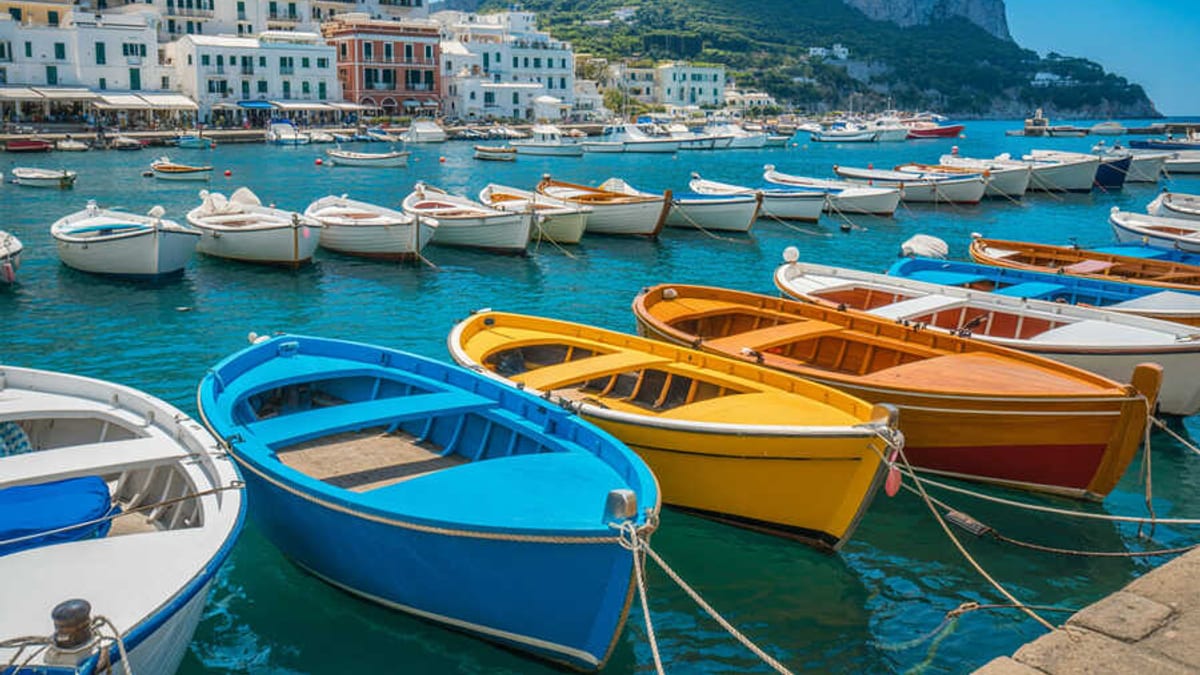
Image by Latest International / Global Travel News, Breaking World Travel News
Capri’s Crackdown: Daily Fees and Stricter Conduct Rules
Capri, one of Italy’s most visited islands, has become the latest flashpoint in Europe’s response to overtourism. Local regulations now combine an obligatory tourist tax with tighter rules on visitor behavior, in an effort to protect limited infrastructure and preserve everyday life for residents during peak season.
The new regime builds on Italy’s wider trend of local surcharges and access controls in highly visited destinations. Capri’s overnight visitors already face accommodation levies, and a reinforced daily fee and code of conduct for short-stay and day-trip travelers are designed to manage crowd pressure at ports, narrow streets and popular viewpoints. The measures are framed as a way to offset the costs of waste management, public transport and emergency services that spike when visitor numbers surge.
Behavior guidelines on the island have also been strengthened. Publicly available information highlights renewed restrictions on nuisance conduct, including penalties for blocking narrow streets, inappropriate dress in village centers and ignoring safety rules on coastal paths and sea access points. Capri’s crackdown reflects a wider Italian pattern in cities such as Venice, where day-tripper charges, bans on large tour groups and enforced route management have become central tools in controlling visitor flows.
The combined financial and behavioral measures on Capri signal to travelers that picturesque Mediterranean islands are no longer frictionless escapes. Instead, they have become heavily managed spaces where visitors are expected to budget for surcharges and closely follow local codes of conduct.
Poland Joins the Tourist-Tax Debate
While Mediterranean destinations often dominate headlines, Central and Eastern Europe are increasingly part of the same conversation. In Poland, discussion around a nationwide tourist levy has intensified, highlighting how even destinations historically perceived as lower-cost are reassessing the price of welcoming large numbers of visitors.
Domestic media coverage in late 2025 described proposals for a uniform per-night fee on tourists across all municipalities, replacing the current patchwork of local “climate” or “local” charges. The suggested flat-rate approach aims to standardize what visitors pay and simplify administration, but it also underscores how more corners of Europe see dedicated tourist taxation as a necessary revenue stream for local infrastructure and environmental upkeep.
At the same time, Poland’s existing system has come under scrutiny. Court rulings in popular mountain resorts have questioned whether some towns met the air-quality and environmental standards required to impose special climate fees, prompting calls for clearer, more transparent criteria. Major destinations such as Kraków have publicly argued for an updated legal framework that would explicitly allow a tourist tax to help fund services strained by visitor numbers.
These debates place Poland alongside Western and Northern European countries where hotel surcharges and city taxes are already well established. For travelers, the result is a more complex cost picture: while Poland remains comparatively affordable, visitors can expect more consistent add-on charges at the checkout stage and closer scrutiny of how, and why, they are applied.
Sweden, Romania, Germany, Spain, Greece and France Tighten the Screws
Across Europe, a growing cluster of countries is turning to a mix of taxes, limits and behavior rules to balance tourism’s economic benefits with mounting pressure on housing, public services and heritage sites. Sweden, Romania, Germany, Spain, Greece and France all feature prominently in regional overviews of 2025 and 2026 travel regulations.
In Spain, regional and city authorities have combined higher tourist taxes with tighter controls on short-term rentals. Reports from Barcelona and the Balearic Islands describe increased levies on hotel nights, new caps on holiday-let licenses and additional surcharges linked to cruise passengers. Large anti-tourism demonstrations in 2024 and 2025 in Spanish cities and islands have reinforced political momentum for tougher measures, with resident groups citing rising housing costs and congested public spaces.
Greece has also moved to increase tourism-specific charges and impose new rules at its most fragile sites. Higher overnight fees in coastal and island areas have been introduced alongside measures to manage cruise traffic, particularly around Cycladic islands that face severe crowding on peak days. At major archaeological sites, stricter dress and footwear guidelines, time-slot ticketing and tighter crowd control have become more visible, reflecting an emphasis on conservation and visitor safety.
France and Germany have primarily focused on city-level actions. French coastal and urban destinations have experimented with alcohol bans in specific zones, dress expectations on certain promenades and ramped-up campaigns warning visitors against disruptive behavior. In Germany and Sweden, growing pressure on nature reserves, islands and urban waterfronts has led local councils to review parking rules, camping restrictions and overnight surcharges, even if changes are more incremental than headline-grabbing bans.
New Border Systems and Permits Add Red Tape
Beyond local taxes and island rules, travelers in 2026 are also encountering new layers of regional bureaucracy. The European Union’s Entry/Exit System, phased in from late 2025, requires non-EU visitors to have biometric information registered when crossing the bloc’s external borders. The move is separate from tourist taxes but contributes to a sense that journeys into Europe are becoming more controlled and data-driven.
This shift is expected to be followed by the full rollout of the European Travel Information and Authorisation System, an online pre-travel approval similar to electronic permits already in place in countries such as the United States and Canada. For visitors heading to Italy, France, Germany, Spain, Greece, Sweden, Romania and Poland from outside the Schengen Area, the result is an extra administrative step before departure, even for short holidays.
Travel industry briefings indicate that airlines, rail companies and ferry operators are adjusting their check-in procedures and advisory materials to account for these new systems. Delays are anticipated in the early months as border staff and travelers adapt, particularly during high summer when tourist volumes are at their peak.
For individual visitors, the combination of biometric checks, advance authorization requirements and on-the-ground local rules can make planning a European itinerary more complex. A single trip that includes Italy, France and Spain, for example, may now involve a pre-travel permit, differing city taxes in each stop and behavior codes that vary from coastal resort to urban nightlife district.
What the New Rules Mean for Travelers
For prospective visitors, the tightening web of policies across Europe does not amount to a closed door but it does require more careful preparation. Tourist taxes, local surcharges and entry fees are increasingly non-negotiable parts of the travel budget, whether in Capri’s boutiques, Poland’s historic city centers or Spain’s island resorts.
Travel planners suggest that visitors build in a financial buffer for destination-specific levies that may only be visible at the booking or check-in stage, such as nightly city taxes or day-visitor fees. Understanding local behavior expectations, from dress codes at heritage sites in Greece and France to alcohol and street-conduct rules in parts of Spain and Italy, can also reduce the risk of fines or confrontations.
At the same time, the spread of these measures across a widening group of countries, including Poland, Sweden, Romania and Germany, dilutes the idea that travelers can simply avoid strict regimes by shifting to less famous destinations. Smaller cities and emerging regions are starting to adopt the same tools as established hotspots, whether for environmental reasons, budget support or both.
Together, Capri’s toughened tourist tax and behavior rules, Poland’s national levy debate and the steady tightening of regulations from Scandinavia to the Mediterranean point to a new normal. Europe remains open, but it now expects visitors to help foot the bill for the strain their presence creates and to adapt to stricter standards of conduct in return for the continent’s most sought-after experiences.