

More news on this day
Air Algérie is entering a pivotal phase in its decarbonisation journey, with a wave of new-generation aircraft and operational upgrades expected to deliver a substantial efficiency boost over the next few years.
Get the latest news straight to your inbox!
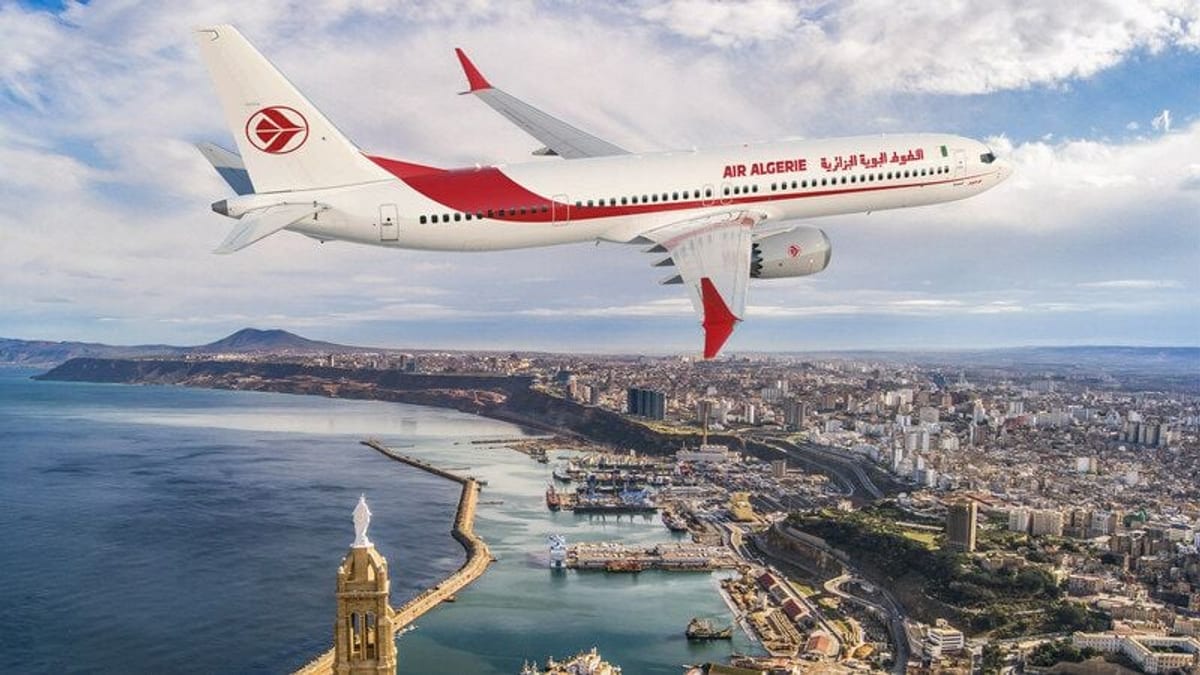
Image by AWN RSS by content source
Widebody Renewal Brings Step Change in Long Haul Efficiency
The most visible pillar of Air Algérie’s efficiency drive is its widebody renewal. The airline has begun taking delivery of Airbus A330-900neo aircraft, positioning the twinjet at the core of future long haul operations from Algiers. Industry analysis notes that the A330neo offers double digit reductions in fuel burn per seat compared with earlier A330 variants, thanks to new engines and aerodynamic refinements. This is expected to translate directly into lower carbon emissions on trunk routes to Europe, the Middle East and North America.
The carrier’s initial A330neo, delivered in late 2025, is the first of an order that is due to be fulfilled by around 2027. Reports indicate that earlier plans to introduce the Airbus A350-1000 were subsequently reprofiled in favour of additional A330neos, simplifying the widebody fleet and allowing maintenance and training efficiencies. Concentrating on a single new-generation type in the long haul segment is seen by analysts as a pragmatic way to accelerate carbon intensity reductions without overcomplicating operations.
Publicly available information shows that the A330neo will be deployed on expansion routes as well as on replacements for older A330-200s and A330-300s. By gradually shifting flying hours to the more efficient variant, Air Algérie can achieve a measurable drop in emissions per available seat kilometre while simultaneously increasing capacity on key city pairs. For travellers, the change should be most evident on long haul flights, where the newer cabins and more efficient engines align environmental benefits with improved onboard comfort.
In parallel, the airline is using the fleet change to sharpen its long term network strategy. New aircraft with extended range and better fuel economics open up additional transatlantic and Asian city options that were previously marginal on older jets. This interplay between fleet economics and network design is central to the carrier’s goal of supporting Algeria’s ambition to act as a regional hub between Africa, Europe and the Middle East.
Narrowbody and Regional Orders Target Domestic and Short Haul Gains
Beyond the widebody fleet, Air Algérie is investing heavily in new regional and narrowbody aircraft that are expected to drive some of the most immediate carbon efficiency gains. In 2023 the airline placed significant orders with both Boeing and Airbus for single aisle jets, including Boeing 737 MAX aircraft tailored for short and medium haul services. The MAX family incorporates more efficient engines and aerodynamic improvements that can cut fuel burn compared with previous generation 737s operating similar missions.
The most transformative development on the domestic front is the decision to acquire 16 ATR 72-600 turboprops, described in manufacturer statements as the largest ATR order in African aviation history. The new aircraft will be operated by a dedicated domestic subsidiary and are intended to reinforce connectivity between Algiers and more remote regions such as the Sahara. Turboprops typically consume less fuel on short sectors than comparable jets, which offers a notable carbon advantage on Algeria’s many sub-500 kilometre routes.
Industry coverage highlights that the ATR 72-600 order is paired with investment in Africa’s first full flight simulator for the type, located in Algiers. This move is expected to keep crew training local, reduce positioning flights, and ensure that fuel-efficient operating techniques are more consistently embedded across the pilot workforce. The combination of right-sized aircraft and enhanced training infrastructure is being cited by aviation analysts as a textbook example of how network, fleet and skills can be aligned to produce lower emissions per passenger.
Fleet plans disclosed in recent months point to a near-doubling of Air Algérie’s total aircraft count by 2028, from roughly the mid-50s to more than 100 airframes. While aggregate emissions will depend on traffic growth, the share of new-generation aircraft in the fleet is set to rise sharply, which should improve carbon performance on a per-seat basis across the domestic and regional network.
IT Overhaul and Operational Efficiency as Carbon Levers
Airframe technology is only one component of Air Algérie’s carbon trajectory. The airline is also rolling out new digital systems and process changes that are expected to cut fuel use and streamline operations. Travel industry reporting on the carrier’s current transformation programme notes investments in upgraded customer management and revenue systems scheduled around 2026, designed to improve load factor, yield management and schedule reliability.
Better forecasting of demand and more precise matching of capacity to routes can have a direct environmental benefit. Higher average load factors reduce emissions per passenger, while more resilient scheduling can lower the incidence of disruption, diversions and extended holding patterns that waste fuel. Analysts focusing on airline decarbonisation increasingly view such “invisible” efficiency gains as an essential complement to hardware improvements.
Operational optimisation also extends to flight planning and ground processes. Although detailed initiatives have not been fully disclosed, it is typical for airlines in the midst of modernisation to adopt more sophisticated flight planning tools, continuous descent approaches where airspace permits, and weight-saving measures on board and in cargo handling. Each of these incremental steps can trim a fraction from per-flight fuel burn, adding up to a meaningful reduction at network scale.
These changes take on additional importance in North Africa’s competitive environment, where carriers are under pressure to align with emerging European emissions requirements while keeping fares attractive to price sensitive travellers. Air Algérie’s efficiency-focused IT and operational upgrades are being interpreted by specialists as a move to future proof its business against tightening carbon constraints.
Regional Context and Long Term Decarbonisation Outlook
The transformation at Air Algérie is unfolding as African aviation experiences steady traffic growth and rising scrutiny of its environmental footprint. Studies assessing global fleet evolution suggest that new-generation aircraft and operational improvements can significantly reduce emissions intensity, but that absolute emissions may continue to rise if passenger demand grows faster than efficiency gains. In this context, the Algerian flag carrier’s rapid adoption of modern aircraft is being viewed as a necessary step rather than a complete solution.
Publicly available policy documents indicate that Algeria is positioning itself as a key air transport hub for the wider region, supported by investment in airports and tourism infrastructure. For Air Algérie, that strategy implies continued expansion in capacity through the end of the decade. The challenge will be to ensure that the share of flights operated by fuel efficient types grows quickly enough to offset at least part of the emissions associated with that growth.
Industry observers note that the airline, like many of its peers, will eventually need to complement fleet renewal with greater use of sustainable aviation fuel and participation in international market based carbon mechanisms. While specific large scale SAF supply arrangements have not yet been highlighted in public reporting on Air Algérie, global manufacturers and energy companies are working to increase availability in the broader Mediterranean region. As those efforts mature, carriers based in Algeria could gain improved access to low carbon fuels for key international routes.
For now, the clearest measurable gains are expected from aircraft deliveries and network rationalisation between 2025 and 2028. With new A330neos entering service, a substantial ATR turboprop fleet on domestic routes and a growing roster of fuel efficient single aisle jets, Air Algérie appears set for a significant efficiency injection that will reshape the carbon profile of its operations in the years ahead.