

More news on this day
Rising demand for travel insurance across the Caribbean, particularly in Barbados and the Bahamas, is reshaping how visitors plan trips and reinforcing confidence in a region still adapting to post-pandemic and climate-related risks.
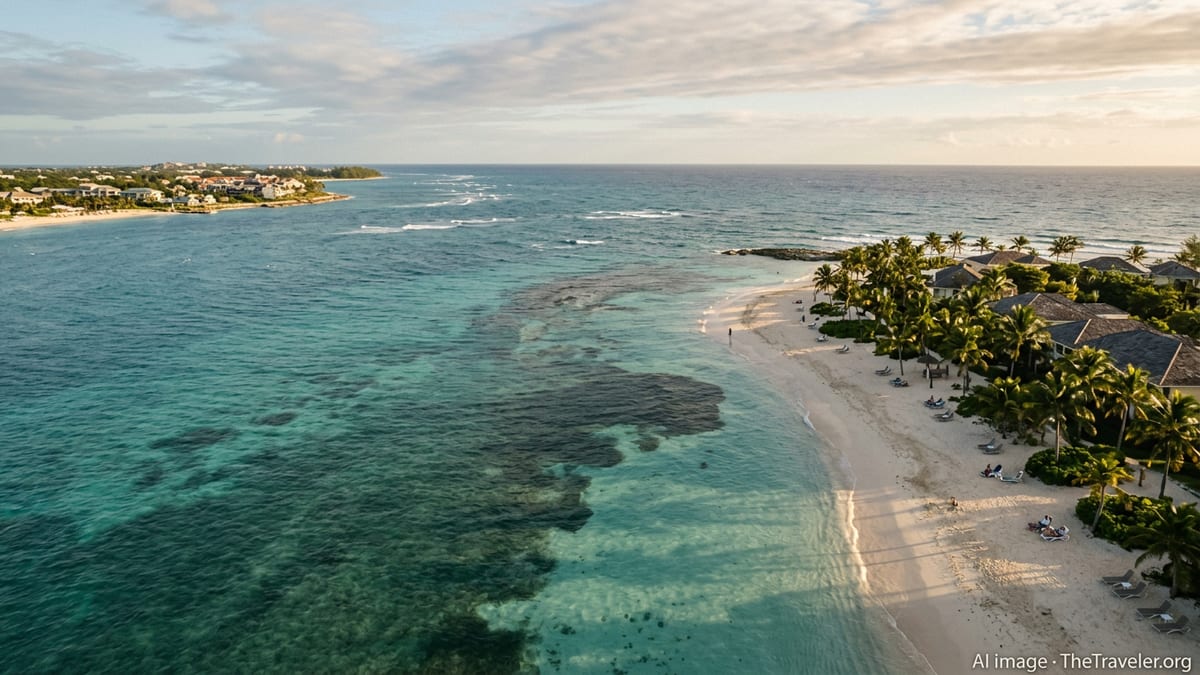
Stronger Safety Net Fuels Caribbean Recovery
Caribbean destinations entered 2026 with tourism on a firmer footing and visitors more willing to travel, even amid lingering economic uncertainty and a heightened awareness of extreme weather. Regional arrivals surpassed pre-pandemic levels in 2024 and continued to edge higher through 2025, supported in large part by resilient demand from the United States and a growing emphasis on risk management when planning international trips.
Industry data show that travel insurance has become a mainstream purchase rather than a niche add-on, with global and US-focused studies pointing to double-digit growth in policy sales over the past two years. Insurers and comparison platforms report that more travelers are insuring Caribbean itineraries, including cruise-heavy routes to the Bahamas and long-stay beach and villa holidays in Barbados. This shift is helping to stabilize booking patterns and reduce last-minute cancellations, key factors for hotels and airlines managing capacity in a still-volatile market.
The change is particularly visible in high-value segments such as multi-island itineraries, luxury stays and cruise vacations, where complex logistics and higher upfront costs make financial protection more attractive. Travel companies say customers are increasingly willing to absorb the additional cost of coverage in order to safeguard nonrefundable airfares, resort deposits and excursions, especially during the June to November hurricane season.
Barbados: Stable Growth and More Informed Travelers
Barbados has emerged as one of the Caribbean’s steadier performers, recording solid gains in long-stay arrivals through 2024 and 2025 as global travel patterns normalized. Tourism and economic assessments for the island highlight that the United States has recently overtaken the United Kingdom as its largest source market, reflecting a surge in North American visitors who are more accustomed to bundling travel insurance with flights and hotel bookings.
Local tourism stakeholders say visitors are asking more detailed questions about cancellation policies, hurricane procedures and medical access than they did before the pandemic. That awareness is pushing many to purchase comprehensive cover, including options for cancel-for-any-reason upgrades and medical evacuation, which are particularly relevant for a small island state where complex medical cases are often transferred offshore.
Hoteliers note that insured guests tend to commit earlier and hold their bookings through periods of uncertainty, which supports steadier occupancy and revenue forecasts. While Barbados has not made travel insurance mandatory for entry, its promotion agencies, airlines and tour operators now routinely highlight the benefits of coverage in marketing materials, framing insurance as part of a responsible, informed approach to Caribbean travel.
Bahamas: From Pandemic Health Cover to Mainstream Protection
The Bahamas offers a case study in how a temporary health protection requirement can change traveler behavior over the longer term. During the pandemic, visitors were required to obtain a health visa that bundled in a short-term insurance component, familiarizing many repeat guests with the idea of formal coverage for island stays. Although that specific policy has since been retired, travel advisers say it helped normalize insurance purchases for Bahamas vacations, particularly among US cruise passengers and short-break visitors from Florida and the East Coast.
Today, demand for travel insurance for trips to the Bahamas is being driven by more conventional concerns: rising trip costs, busy cruise schedules and the possibility of tropical storms disrupting flights and sailings. Cruise-focused agencies report brisk sales of policies tailored to closed-loop itineraries that depart and return to the same US port, with benefits that address missed embarkation, medical care in port and emergency evacuation back to the mainland.
Bahamas-based tourism businesses view this shift as a buffer against shocks. When guests are insured, hotels, excursion operators and charter services are more likely to receive at least partial payment even when severe weather or airline disruption forces cancellations, supporting cash flow during challenging periods. The growing penetration of coverage also encourages more flexible rebooking policies, since both travelers and suppliers can lean on insurers to absorb part of the cost of changes.
Weather, Economics and the New Risk Calculus
Beyond individual country measures, a combination of climate and economic pressures is reshaping the risk calculus for Caribbean travel. Recent active hurricane seasons and isolated disruptive storms have underscored the vulnerability of island destinations and their infrastructure. At the same time, higher airfares and room rates since 2023 mean the average Caribbean holiday now represents a larger share of household budgets, making the financial stakes of cancellation or interruption higher than in the past.
Insurers have responded by refining products specifically marketed to tropical destinations. Many policies now highlight coverage for named storms, port closures and extended flight delays, along with trip-delay benefits that pay for additional hotel nights if travelers are stranded in transit hubs. For visitors to Barbados and the Bahamas, these features are increasingly cited as reasons for purchasing stand-alone coverage rather than relying solely on limited protections bundled with airline tickets or credit cards.
Travel analysts note that the appetite for insurance typically rises in tandem with headlines about geopolitical tension, health scares or market volatility. Over the past year, global news events have triggered noticeable spikes in online searches and quote requests for travel insurance, with a significant share of inquiries tied to Caribbean itineraries. This pattern suggests that, while the region benefits from its image as a sun-and-sand escape, it is also deeply exposed to shifts in global sentiment about safety and stability.
What Travelers Need to Know Before Booking
The surge in demand has made travel insurance more widely available, but also more complex, for anyone planning a holiday to Barbados, the Bahamas or neighboring islands. Industry experts emphasize that prospective buyers should look closely at several core elements: medical coverage limits, evacuation provisions, trip-cancellation triggers, storm-related clauses and exclusions linked to pre-existing conditions. For cruise passengers in particular, coverage for missed ports and missed connections can be critical.
Another trend shaping the Caribbean market is the move to earlier purchasing. Many comprehensive plans require travelers to buy a policy within a set number of days after the first trip payment to access the broadest protections, including cancel-for-any-reason features. As a result, travelers to Barbados and the Bahamas are increasingly locking in insurance at the same time they book flights or cruises, giving them protection should conditions deteriorate months before departure.
For tourism boards and local businesses, the message is clear: clearer communication about insurance options can support confidence and encourage travelers to commit to more ambitious trips, whether that means longer stays in Barbados, multi-resort itineraries in the Bahamas or island-hopping across the wider Caribbean. As climate and economic uncertainties persist, the growing role of travel insurance is likely to remain a pillar of the region’s tourism strategy, underpinning both visitor peace of mind and the sector’s long-term resilience.