

More news on this day
From short Caribbean getaways to weeklong Mediterranean sailings, the biggest ocean cruise brands are intensifying a value-driven contest for American vacationers, positioning Carnival, Royal Caribbean, Norwegian, MSC and Princess Cruises among the leading options for budget-conscious travelers seeking maximum perks for every dollar.
Get the latest news straight to your inbox!
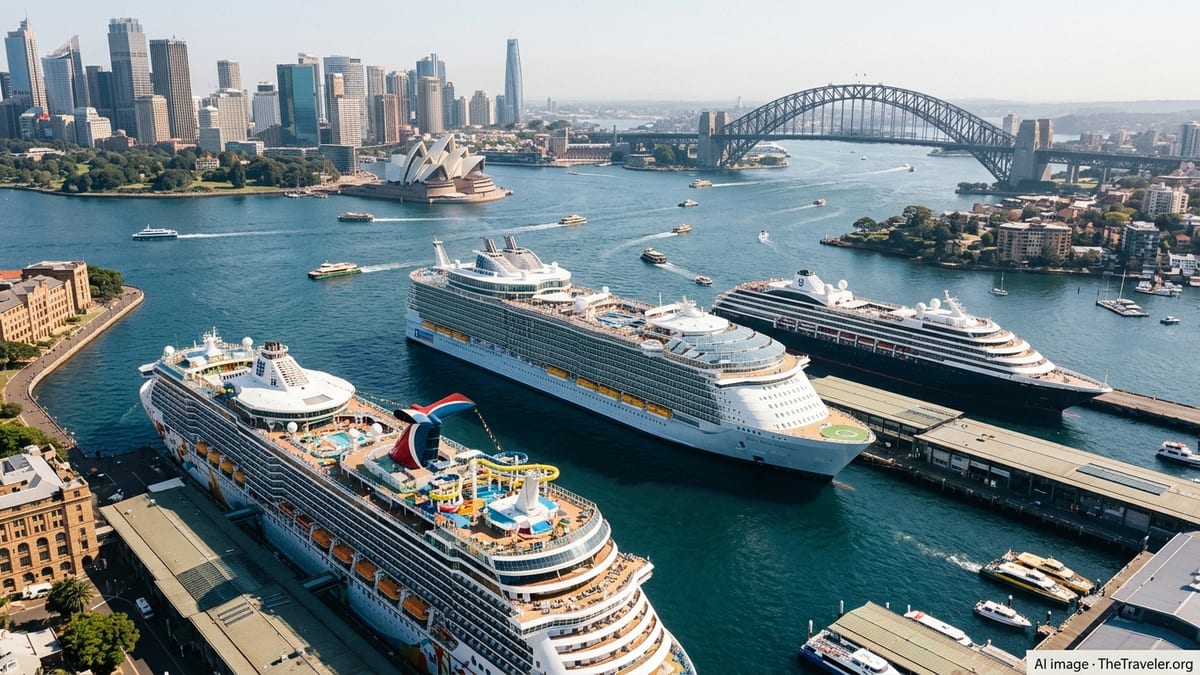
Price-Sensitive U.S. Travelers Fuel a New Cruise Value Race
Publicly available booking data and travel industry reports indicate that demand for cruises from the United States remains strong going into 2026, but shoppers are increasingly focused on overall value rather than headline base fares. Rising airfares and hotel rates have pushed many families to re-examine cruises as a one-price alternative that wraps lodging, meals and entertainment into a single ticket.
In response, Carnival Cruise Line, Royal Caribbean, Norwegian Cruise Line, MSC Cruises and Princess Cruises are competing aggressively with promotional pricing, reduced deposits and added-on extras. Recent Black Friday and Cyber Week campaigns highlighted entry-level Caribbean itineraries advertised from the low to mid 300 dollar range per person for select sailings, with additional savings for second guests or third and fourth passengers in the same cabin.
Analysts following the sector note that this combination of relatively low starting prices and bundled perks has become central to attracting American vacationers who may be postponing more expensive land tours. For many households comparing options, a cruise that includes food, entertainment and multiple destinations can appear more affordable than a resort stay that charges separately for every activity.
As capacity expands with new ships coming online and older vessels redeployed to short-haul markets from Florida and Texas, the competition for U.S. passengers is expected to keep promotional pressure high across the leading brands.
Carnival Leans on Short Sailings and Promotional Fares
Carnival Cruise Line, long marketed as a value-driven brand, continues to emphasize three to five night sailings from major U.S. homeports such as Miami, Port Canaveral, Galveston and New Orleans. Industry tracking of advertised fares shows frequent deals on these shorter itineraries, which are popular with first-time cruisers and younger travelers seeking lower total trip costs and minimal time off work.
Recent promotional periods have featured limited-time rates on select voyages starting in the low 300 dollar range per person for inside cabins, with sales tied to specific booking windows and sail dates. Some campaigns targeted U.S. holiday periods, including Thanksgiving and early December, with discounts for the second guest and onboard credit incentives designed to offset bar tabs or shore excursions.
Travel agency listings and trade coverage also highlight Carnival’s focus on simplified pricing that does not require multiple add-on packages to unlock basic perks. While specialty dining, premium Wi-Fi and beverage upgrades add to the final bill, many American travelers are attracted by the ability to board with most core costs already known, especially on shorter cruises where extras may be easier to limit.
This strategy positions Carnival as a strong contender for budget-conscious families and groups that prioritize low upfront cost and casual onboard atmosphere over luxury inclusions or high-end amenities.
Royal Caribbean Adds Mega-Ship Amenities Without Losing Value Appeal
Royal Caribbean has built its brand around large, feature-filled ships sailing multi-night itineraries, yet current promotions suggest the line is also competing directly in the value space. Public promotional materials for Black Friday style events in late 2025 described “mega deals” that combined discounted base fares with selective offers like free or reduced fares for third and fourth guests.
These campaigns targeted key U.S. drive-to markets and popular Caribbean routes, allowing families to spread the cost of a cabin across multiple travelers. Even as Royal Caribbean deploys new and recently delivered ships with water parks, surf simulators and expanded dining, limited-time offers keep entry prices within reach for many middle-income households planning a single big vacation each year.
Financial disclosures and investor updates from the Royal Caribbean Group also underline an ongoing effort to grow onboard spending while keeping ticket prices competitive. The model is to entice Americans with attractive headline fares for inside and oceanview cabins, then offer optional experiences such as specialty restaurants, beverage packages and shore excursions that can be added based on budget and interest.
For U.S. travelers who prioritize resort-style amenities alongside perceived value, this combination of large-ship attractions and periodic deep discounts helps keep Royal Caribbean in the top tier of affordable choices.
Norwegian, MSC and Princess Compete With Bundled Perks
Norwegian Cruise Line has taken a different approach, leaning heavily on bundled promotions that wrap multiple extras into a single package. Its well-known Free at Sea offer, highlighted in current marketing materials and agency promotions, typically allows guests on eligible sailings to receive benefits such as a beverage package, specialty dining credits, Wi-Fi, shore excursion credits or reduced fares for additional guests, subject to terms and service charges.
Recent updates reported by cruise industry outlets show that Norwegian has continued to adjust this formula, including the return or revision of enhanced bundles like Free at Sea Plus that increase beverage and Wi-Fi inclusions at an added per-day fee. Travel advisors in the U.S. market often present these bundles as a way for cost-conscious cruisers to predict much of their onboard spending before departure.
MSC Cruises, which has expanded its presence in North America, is similarly showcasing inclusive-style promotions for 2025 and 2026 sailings, especially from U.S. ports such as Miami and New York. Deal pages highlight early-booking discounts on Mediterranean, Caribbean and Northern Europe itineraries, alongside optional drink and Wi-Fi packages that can undercut land-based resort prices for comparable durations.
Princess Cruises, part of Carnival Corporation, continues to pitch its Princess Plus and Princess Premier fare options to American travelers as a way to bundle Wi-Fi, gratuities and beverage packages into the cruise fare. Reports indicate that these offers are being marketed as a straightforward method to lock in costs and avoid surprise bills, appealing to travelers who might otherwise hesitate to book a longer ocean voyage.
Value Beyond the Fare: Itineraries and Experiences Drive Appeal
While headline prices and prominent promotions attract attention, the perception of value among U.S. tourists also hinges on the range of destinations and onboard experiences offered by each line. Caribbean loops from Florida and Gulf Coast ports remain the entry point for many first-time cruisers, but all five brands are investing in private island destinations and new itineraries that aim to make a cruise feel like more than simple transportation.
Carnival, Royal Caribbean, Norwegian, MSC and Princess all promote access to private or semi-private beach destinations featuring waterparks, cabanas and curated shore excursions. For American families comparing vacation options, these stops can be a persuasive argument that a cruise offers an all-in-one resort experience at sea and ashore, often at a lower overall cost than a land-based equivalent.
At the same time, the lines are adding longer routes to Alaska, Europe and transatlantic crossings that attract experienced cruisers seeking value for extended travel. By combining competitive fares with the ability to visit multiple countries in a single trip, these itineraries appeal to Americans who may have postponed international travel during earlier years and are now looking to maximize both time and budget.
Industry observers suggest that as long as inflation pressures household budgets, the leading cruise companies will continue to refine these value propositions, using a mix of sharp pricing, bundled extras and destination-rich itineraries to keep their ships filled with American travelers.