

More news on this day
Carnival Cruise Line is helping fund and promote swimming and water-safety lessons in Vanuatu as part of a broader community initiative in the South Pacific, aiming to reduce drowning risks in the island nation while strengthening ties with key cruise destinations.
Get the latest news straight to your inbox!
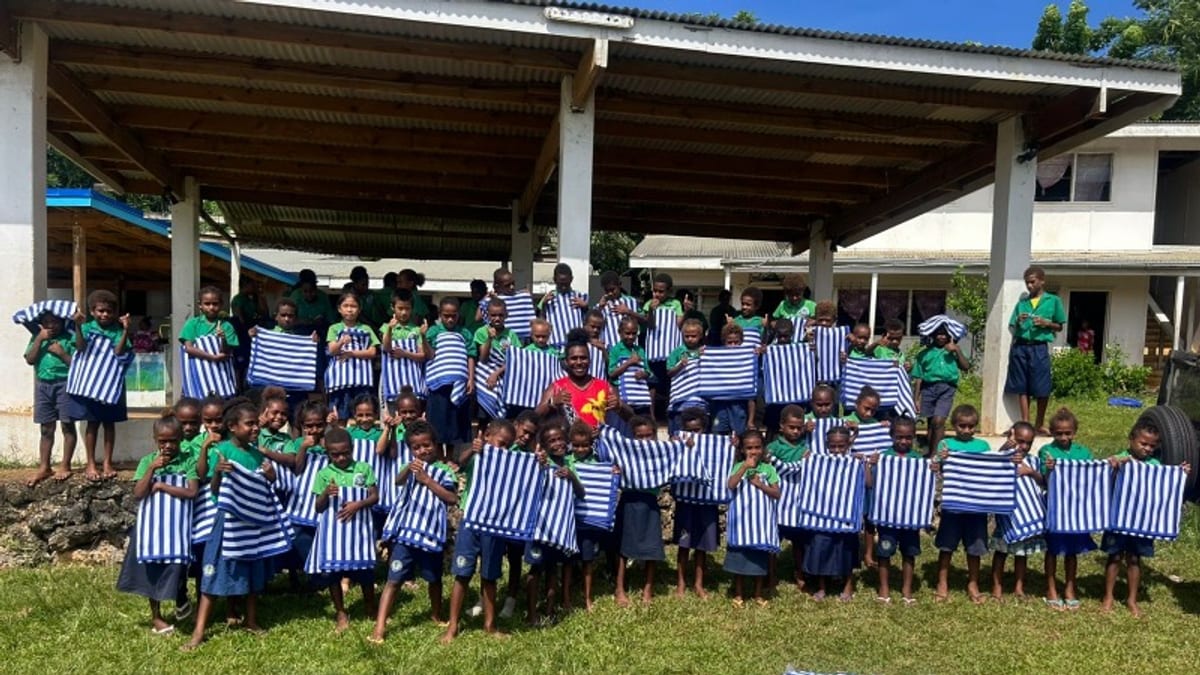
Image by Cruise Industry News | Cruise News
New Support for Water Safety in a High-Risk Nation
Recent program updates from Carnival Cruise Line and its Pacific Partnerships initiative indicate growing backing for learn-to-swim activities in Vanuatu. The cruise operator has highlighted support for children’s swimming lessons in Port Vila, Vanuatu’s capital, alongside water-safety training for local communities at popular cruise ports such as Mystery Island and nearby Aneityum.
Vanuatu, an archipelago of more than 80 islands, is heavily dependent on coastal transport and marine livelihoods. Publicly available information from international health bodies notes that the country has one of the world’s highest drowning rates, despite daily life taking place close to the sea. This context has focused attention on practical measures that equip children and adults with basic skills such as floating, recognizing dangerous surf conditions and performing simple rescues.
According to recent coverage of Carnival’s activities in the South Pacific, more than 200 children in Port Vila have already participated in learn-to-swim classes supported through the company’s Pacific Partnerships framework. These lessons are being promoted as an early step toward building a culture of water confidence and safety in communities where formal instruction has historically been limited.
The expansion of water-safety initiatives comes as Carnival and Vanuatu officials seek to deepen long-term cooperation around cruise tourism, economic development and community-focused programs. The cruise line’s growing presence in the region provides a steady stream of visitor revenue that can help sustain such initiatives over time.
Bondi Lifeguards Help Deliver Training in Vanuatu
Reports from Carnival’s news channels describe how a team of well-known Bondi Beach lifeguards traveled from Australia to Vanuatu to work alongside the cruise line on a week of water-safety training. The group visited Mystery Island, Aneityum and Port Vila, delivering practical sessions to more than 100 participants drawn from local communities and tourism operators.
The training emphasized core survival skills including how to spot rip currents, how to float to conserve energy, and how to apply basic first aid and CPR in an emergency. Program materials framed the effort as an attempt to adapt Australian surf-lifesaving expertise to the realities of small Pacific islands, where many residents spend time on beaches or travel between islands by boat but may never have received formal aquatic instruction.
This initiative has been presented as part of Carnival’s Pacific Partnerships model, which uses funds raised from guests and corporate contributions to support projects in destinations regularly visited by its ships. Alongside health services and disaster-relief support, swimming and water-safety education is emerging as a visible strand of that effort in Vanuatu.
For local tourism workers around Mystery Island, which is accessible almost exclusively to cruise passengers, improved water skills are also seen as beneficial to the visitor experience. Better-prepared staff and community members can help supervise informal swimming and snorkeling, adding a layer of safety in remote locations where medical facilities are limited.
Linking Cruise Tourism With Community Outcomes
The learn-to-swim push in Vanuatu is unfolding against a backdrop of renewed cruise activity in the country. Itineraries for the coming seasons show Carnival ships planning dozens of calls to Port Vila and Mystery Island, carrying large numbers of international visitors to the archipelago’s beaches and lagoons.
Publicly available corporate and government updates indicate that Vanuatu has been working with cruise operators, including Carnival, on long-term agreements intended to secure jobs, port investments and predictable ship calls. Within that context, programs such as swimming lessons and emergency-preparedness training are being promoted as ways to ensure that tourism growth also delivers tangible benefits for local communities.
Carnival’s Pacific Partnerships scheme, which began under the P&O Cruises Australia brand and is now being continued on vessels transitioning into the Carnival fleet, channels voluntary passenger donations and company funds into selected regional organizations. In Vanuatu, that framework is already known for backing emergency medical services, and the addition of structured water-safety education broadens its scope into preventative measures.
Industry observers say this approach reflects a broader shift in how major cruise lines present their role in small-island economies. Rather than focusing solely on shore excursions and onboard spending, companies are increasingly highlighting community projects, from healthcare support to environmental restoration and now basic life-skills training such as swimming.
Local Aquatics Programs Provide a Platform
Vanuatu’s emerging partnership with Carnival on swimming lessons builds on domestic initiatives that have been working to expand access to aquatic education. Programs coordinated by the Vanuatu Aquatics Federation and national sports bodies, such as the Swim, Splash & Survive initiative, have focused on teaching basic survival strokes, promoting inclusion and improving opportunities for girls and people with disabilities to participate in water activities.
These local efforts have contributed to the development of a small but growing cadre of swim instructors and community volunteers familiar with structured lessons and water-safety messaging. External backing from corporate partners brings additional funding, publicity and connections to international expertise, which can help scale up activities in schools and community centers, particularly in urban hubs like Port Vila.
Published reports on Vanuatu’s participation in regional aquatics competitions also point to a gradual strengthening of the country’s competitive swimming scene. While elite sport remains a niche pursuit, officials and coaches frequently present it as a byproduct of broader public investment in swimming education, arguing that safer, more confident communities in the water are the primary goal.
By integrating its contributions with these existing national programs, Carnival’s support for learn-to-swim initiatives has the potential to reinforce, rather than duplicate, local structures. The combination of domestic leadership and external funding is seen by development specialists as crucial for ensuring that projects continue even if corporate priorities change in the future.
Long-Term Prospects for Water-Safety Education
As cruise itineraries through the South Pacific are updated for the coming years, Carnival continues to showcase Vanuatu as a core destination, with marketing materials promoting Mystery Island and Port Vila as marquee ports of call. That visibility, combined with the company’s Pacific Partnerships funding stream, positions Vanuatu as a likely ongoing focus for community programming.
Observers of the region’s tourism development note that water-safety education and swimming lessons are relatively low-cost interventions that can generate outsize benefits in island settings. Reducing drowning incidents not only protects families but also supports the long-term viability of beach-based tourism and marine recreation, which form a key part of the visitor experience in Vanuatu.
Future reporting will likely focus on whether the early cohorts of children and adults trained through Carnival-supported initiatives in Port Vila and outlying islands expand into a nationwide network of confident swimmers and volunteer lifesavers. The durability of the partnership will depend on continued cooperation between the cruise line, local organizations and government agencies as they balance tourism growth with public safety concerns.
For now, the decision to prioritize swimming lessons and water-safety skills in Vanuatu highlights how a major global cruise brand is seeking to link its commercial footprint in the Pacific with programs that address a pressing everyday risk for its host communities.