

More news on this day
Carnival Cruise Line is urging passengers not to copy a viral social media trend that encourages cruisers to drag their cabin mattresses onto private balconies to sleep under the stars, warning that the practice is unsafe, unsanitary and could lead to penalties at sea.
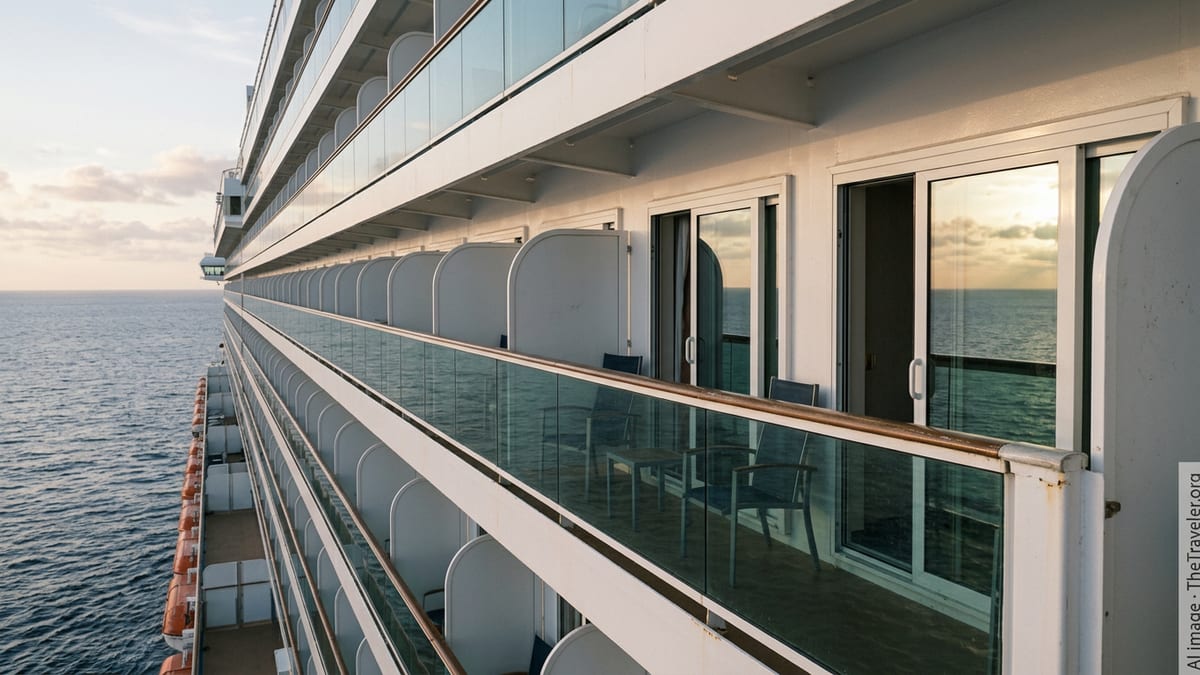
Viral Balcony Sleep Videos Trigger Fresh Warning
The latest round of balcony bed videos circulating on TikTok and other platforms shows passengers transforming standard staterooms into open-air bedrooms, hauling mattresses and full bedding setups out onto narrow cruise balconies. Clips tout the practice as the ultimate “aesthetic” sea-night experience, set against rolling waves and moonlit skies.
Although one of the most widely shared clips was not filmed on a Carnival ship, the imagery has quickly bled into broader cruise culture, with viewers assuming the stunt is acceptable across major lines. That prompted Carnival’s high-profile brand ambassador John Heald to address the issue directly in early March, using his popular social media channels to label the behavior “absolutely bonkers” and firmly out of bounds.
Heald’s comments, amplified by U.S. travel media coverage in recent days, have effectively turned the niche balcony trend into a full-blown industry talking point, placing passenger conduct and social media influence under renewed scrutiny.
Safety, Hygiene and Liability at the Heart of the Debate
Behind the lighthearted tone of some of Carnival’s messaging lies a serious safety rationale. Cruise workers and safety advocates note that a mattress wedged onto a balcony can partially block emergency escape routes, complicate evacuations and increase the risk of slips or falls if seas turn rough overnight.
Balcony railings are designed with strict safety standards in mind, but they are not intended to frame a makeshift bedroom, particularly when passengers may be asleep and disoriented in the dark. Safety experts warn that unexpected ship movement, high winds or sudden weather changes can turn a cozy scene into a dangerous one far from shore, especially if alcohol is involved.
There is also a hygiene dimension. Mattresses and linens exposed to sea air, salt spray and residue from deck cleaning chemicals can no longer be treated as clean soft furnishings for the next guests. Crew members have reported that bedding used on balconies often requires deep cleaning or replacement, adding labor and environmental costs that lines are increasingly unwilling to absorb.
The combination of physical risk, sanitation concerns and potential liability has led Carnival and other operators to reiterate that moving cabin furniture outdoors is a clear violation of onboard rules, with lines reminding guests that serious breaches can result in warnings, fines or even disembarkation in extreme cases.
Social Media Cruise Culture Meets Old-School Ship Rules
The flare-up over balcony sleeping is the latest example of how modern cruise culture is being reshaped by TikTok and Instagram, often in ways that collide with traditional safety protocols. In recent years, viral clips have showcased everything from passengers stringing makeshift clotheslines on railings to dragging public deck loungers into private cabins, each earning swift pushback from crew and seasoned cruisers.
Industry observers note that many of these stunts are framed as harmless “travel hacks” or aspirational content, glossing over the fact that cruise ships are highly regulated environments governed by international safety codes. Behaviors that might be quirky in a beach rental can carry very different implications when thousands of people are sharing a floating resort.
The balcony bed trend also illustrates a growing tension between what guests perceive as “their” private space and what the cruise lines view as shared, tightly managed infrastructure. While a balcony cabin offers a coveted slice of open air, the structure itself is part of the ship’s safety system, subject to rules that do not disappear simply because a door can be locked from the inside.
Cruise watchdogs and crew members say they increasingly find themselves countering social media narratives in real time, reminding passengers that ship policies, not trending audio tracks, determine what is acceptable at sea.
Cruise Line Alternatives for Fresh-Air Sleep Seekers
In response to guests who insist they simply want to hear the waves and feel the breeze at night, Carnival has been careful to suggest safer alternatives rather than dismiss the impulse entirely. Heald has confirmed publicly that passengers may sleep with their balcony doors open if they choose, provided they understand that the move automatically shuts off the cabin’s air conditioning.
That compromise keeps mattresses, bed frames and linens inside the stateroom while still allowing cool air and ocean sounds to filter through. Cruise regulars also recommend early-morning and late-night balcony time in the standard chairs already provided, or reserving a lounger on quieter upper decks where rules permit guests to rest without blocking exits or dragging indoor furniture outdoors.
Veteran cruisers caution, however, that the romance of an open balcony can evaporate quickly when the ship docks. Passengers who sleep with curtains open or doors ajar have reported jarring wake-up calls as neighboring vessels slide into adjacent berths, leaving once-secluded balconies suddenly exposed to cabins just a few meters away.
Lines are using such anecdotes to underscore a broader message: the sea air is there to enjoy, but it should be done within boundaries laid out in pre-cruise documentation, safety briefings and the ship’s code of conduct.
Wider Implications for the North American Cruise Market
Carnival’s firm stance arrives at a time when balcony cabins are more central than ever to the North American cruise product, comprising a large share of inventory on newbuilds sailing from U.S. homeports. With more private verandas comes greater potential for behavior that affects neighboring guests, from smoking and loud music to now, unconventional sleeping arrangements.
Travel analysts say the mattress-on-the-balcony controversy is emblematic of the industry’s broader challenge in 2026: maintaining a relaxed, resort-like atmosphere while enforcing rules designed to protect thousands of people in confined spaces. As demand for cruises from U.S. ports continues to rebound, lines have been tightening enforcement on issues like smoking on balconies, reserving deck chairs and disruptive conduct.
The latest warning is also being closely watched by other brands operating in U.S. waters, many of which already discourage or ban balcony sleeping in their own safety guidelines. While each company sets its own policies, the rapid spread of cruise trends online means that a viral stunt on one ship can quickly become a headache across an entire region.
For now, Carnival is betting that clear communication, a bit of humor and the threat of fines or cabin sanctions will be enough to keep mattresses inside and the viral trend confined to old videos, even as social media users search for the next cruise “hack” to capture under the Caribbean stars.