

More news on this day
Thousands of Carnival Cruise Line guests are scrambling to salvage long-planned vacations after a series of dry-dock schedule shifts, ship redeployments, and maintenance issues triggered the cancellation of multiple upcoming sailings and major itinerary changes across the fleet.
Get the latest news straight to your inbox!
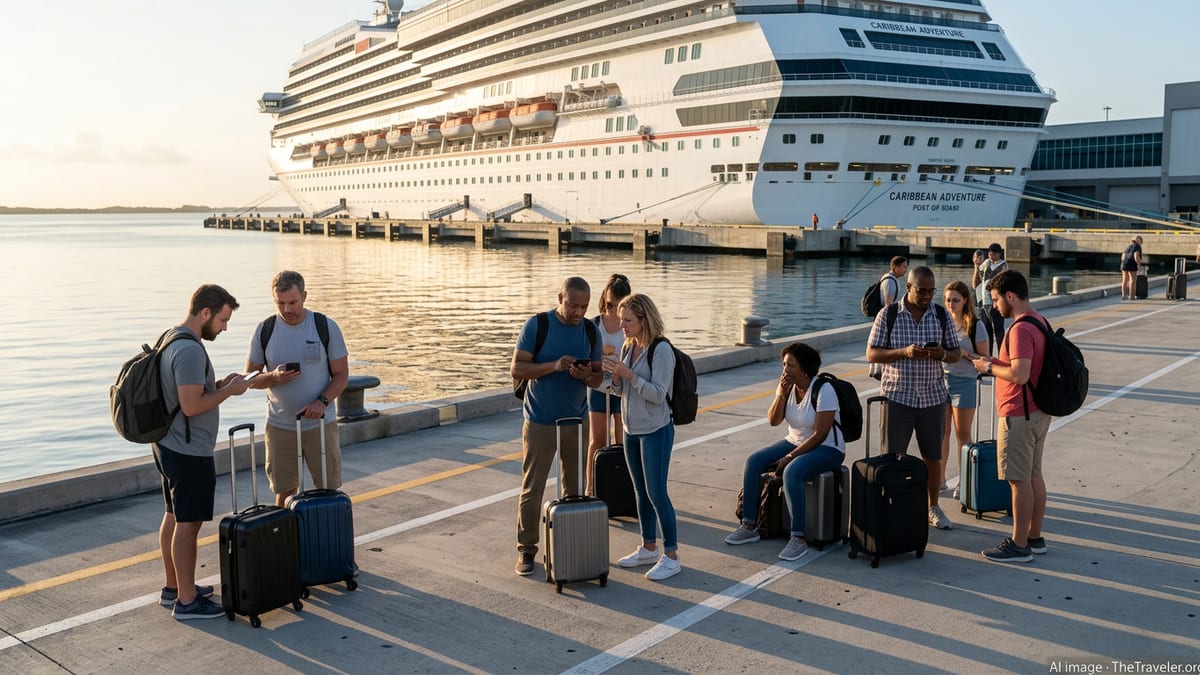
What Carnival Has Recently Changed and Canceled
Recent coverage of Carnival Cruise Line’s operations indicates that the company has been reworking parts of its 2025 to 2027 schedule, canceling a number of individual sailings and, in some cases, entire blocks of voyages. Reports highlight multiple cancellations tied to rescheduled dry-dock work, including on ships such as Carnival Magic and Carnival Horizon, where maintenance originally planned for other periods has been moved into spring 2026, wiping out affected cruises.
Industry outlets also note that Carnival has dropped several transatlantic and repositioning voyages after altering shipyard timelines and deployment plans, including the last-minute cancellation of at least one 2026 sailing due to a shipyard labor dispute in Spain. In addition, separate reporting points to cancellations of future itineraries on certain ships in 2027, affecting thousands of booked guests whose voyages will no longer operate as originally advertised.
Alongside outright cancellations, Carnival has issued a steady stream of itinerary adjustments for early 2025 and 2026 voyages, particularly for Bahamas and Caribbean routes. Some sailings have seen ports swapped, shortened, or removed, while others have gained new calls such as Carnival’s private destinations. For guests, the result can feel like a very different trip from the one originally booked.
All of this is taking place against a broader backdrop of disruption across the cruise industry, as lines adjust to shipyard congestion, evolving route demand, and changing conditions in certain regions. Carnival is far from alone in modifying schedules, but its size means even relatively small changes can affect a large number of passengers.
Why Cruises Are Being “Abandoned” at the Planning Stage
Although social media posts describe these changes as Carnival “abandoning” cruises, publicly available information suggests more routine, if frustrating, operational reasons. Dry-dock overhauls are essential periods when ships undergo technical work, safety checks, and refurbishment. When shipyard slots move or projects run longer, cruise lines may have no choice but to cancel voyages that overlap with the new maintenance window.
Fleet redeployments are another driver. As Carnival shifts certain vessels to new homeports or regions for upcoming seasons, some previously announced sailings are being cut to free ships for different routes. Recent deployment updates, for example, have introduced new 2026 and 2027 itineraries from ports such as New York and Long Beach, which can mean trimming older schedules that are less in demand.
Dry-dock congestion and global operational pressures also play a role. A strike or delay at a European shipyard, changing regulations, or regional instability can quickly upend carefully laid schedules, forcing cruise lines to prioritize long-term fleet strategy over individual voyages. While this rarely makes the news outside cruise media, it can have a very concrete impact on guests who suddenly find their “dream” sailing erased.
In most reported cases, Carnival has responded by offering affected passengers a choice of a full refund or rebooking on comparable dates and itineraries, often with added onboard credit. However, the exact options vary by sailing and date, making it critical for travelers to read every line of any notification they receive.
Your First 24 Hours After a Cancellation Email
For travelers who discover that a long-anticipated itinerary has disappeared, the first hours are crucial. Consumer travel advocates emphasize that guests should start by carefully reviewing any email or notice from Carnival in full, including attachments and fine print, to understand whether they have been moved automatically to a different sailing, offered a refund, or invited to select a new date with rate protections.
Next, timing matters. Many cruise-focused advisories recommend contacting the line or your travel agent as soon as possible if you want to rebook, since alternative sailings around peak holidays or school breaks can fill quickly once a cancellation wave hits. Acting early can secure similar cabin categories and avoid higher fares on remaining voyages.
Travelers should also immediately take stock of everything attached to their cruise: flights, pre- or post-cruise hotel stays, specialty dining reservations, and independent shore excursions. Airline and hotel change fees, as well as nonrefundable deposits for tours, may not be automatically covered by the cruise line’s compensation, so documenting each cost and its terms is essential before making decisions.
Finally, experts consistently urge passengers to save every piece of communication. Screenshots of original itineraries, receipts for out-of-pocket bookings, and written records of any offers or promises can all be helpful if there are later disputes about refunds or credits.
How to Rescue Your Dream Vacation Before It Is Too Late
Even if your original sailing has been canceled or significantly altered, there are strategies to salvage the experience you were hoping for. One approach is to look for near-identical itineraries on sister ships, either with Carnival or another major line, departing within a similar window. Published coverage shows that when multiple sailings are scrapped at once, lines often open up capacity on similar routes in nearby weeks to absorb displaced guests.
Rebooking quickly can unlock protections that may not last. Some of Carnival’s recent guest communications, as reported by cruise news outlets, have allowed travelers to switch to comparable cruises at the same base fare and cabin category, sometimes with added onboard credit. Those benefits are usually tied to specific deadlines, after which only standard pricing applies.
Flexibility can also be an asset. If your dates are fixed due to work or school schedules, prioritize matching your timing first and accept slightly different ports of call or ship classes. If your dates are flexible, you might instead hold out for a particular island, private destination, or ship feature, expanding the calendar window you are willing to consider.
For travelers whose entire trip was built around a special sailing, such as a milestone anniversary or multigenerational gathering, it may be worth exploring alternate destinations altogether, including land-based resorts or different cruise regions that still fit the occasion. With careful planning, the shared experience can be preserved even if the exact ship or route changes.
Protecting Yourself on Future Bookings
The recent wave of Carnival schedule changes is prompting many travelers to rethink how they book cruises in the first place. Travel law and consumer advice resources consistently recommend reading the cruise contract and cancellation policies before paying a deposit, paying close attention to clauses that give the line broad discretion to alter or cancel itineraries.
Independent guidance from travel publications also highlights the value of comprehensive travel insurance, particularly policies that cover supplier default, significant schedule changes, or the cost of rearranging independent flights and hotels. Guests should verify whether their plan treats a cruise-line cancellation as a covered event and whether “cancel for any reason” riders are available for additional flexibility.
Another widely recommended tactic is to book flights and pre-cruise stays with as much built-in flexibility as budget allows, including refundable hotel rates and airline tickets with reasonable change fees or credits. While these options can cost more up front, they can reduce the financial shock if a cruise is canceled months or weeks before departure.
Finally, keeping a close eye on your reservation is essential. Regularly checking your online cruise account, subscribing to itinerary alerts where available, and monitoring cruise news outlets can provide early warning of redeployments or dry-dock reshuffles. In a period of heightened schedule volatility, staying informed can make the difference between a derailed vacation and a rescued one.