

More news on this day
Carnival Cruise Line has canceled nearly a dozen Carnival Firenze sailings in late 2026 as part of a broader fleet redeployment, disrupting fall vacation plans for thousands of guests and raising fresh questions about itinerary stability across the cruise industry.
Get the latest news straight to your inbox!
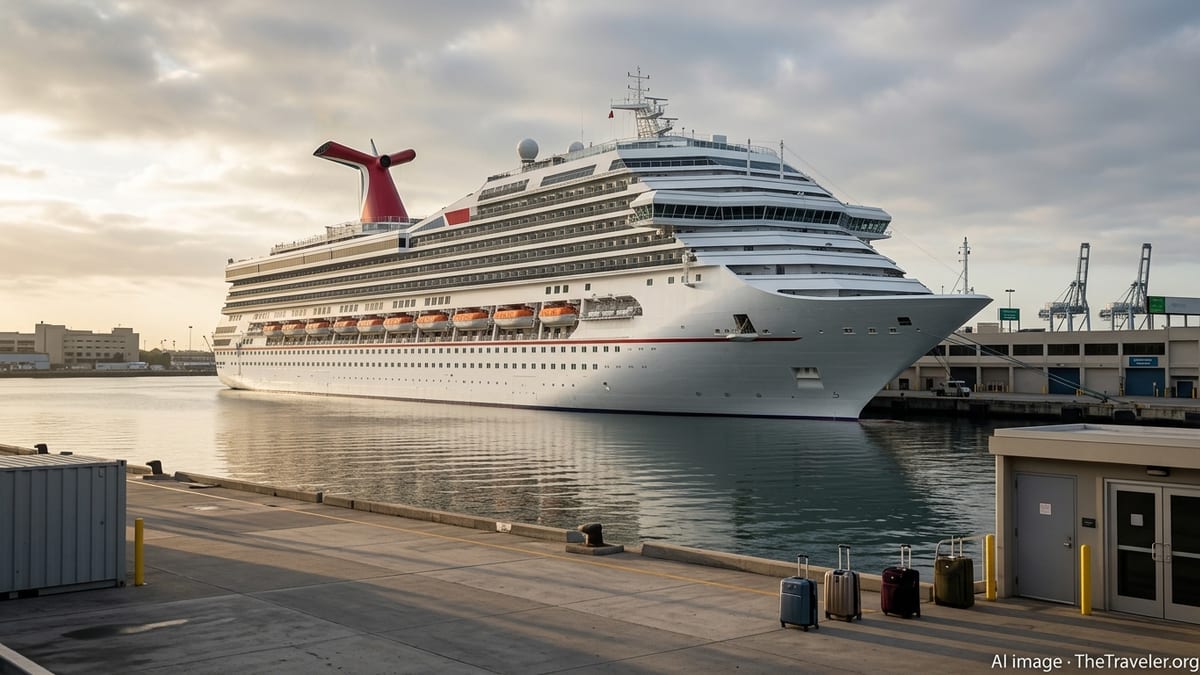
Which Carnival Firenze Cruises Are Affected
According to recent industry coverage and passenger communications shared online, the cancellations apply to 11 voyages scheduled to operate on Carnival Firenze between October 12 and November 16, 2026. The sailings were part of the ship’s fall deployment and included a series of shorter itineraries that had been marketed to North American guests.
The affected departures were listed on various booking channels until recently but are no longer bookable. Passengers with existing reservations report receiving notifications that their cruises will not operate as planned, citing changes to itinerary plans and updated deployment priorities for the ship.
The cancellations are notable because they affect a tightly concentrated window of voyages rather than an entire season, suggesting a targeted adjustment in how and where Carnival Firenze will be used during that period. Details on the replacement deployment have not yet been widely published, but travel trade reporting indicates the ship is being repositioned to strengthen other programs within Carnival’s network.
While last-minute changes are not unusual in the cruise sector, the clustering of 11 cancellations on a single vessel over just a few weeks has drawn heightened attention from frequent cruisers and travel advisors watching Carnival’s evolving fleet strategy.
Fleet Redeployment Strategy Behind the Decision
Publicly available filings and corporate updates from Carnival Corporation have highlighted an ongoing emphasis on “fleet optimization” and redeployment across the company’s brands. The strategy includes moving ships between markets, adjusting capacity to match demand, and integrating vessels transferred from sister lines into Carnival Cruise Line’s portfolio.
Recent disclosures describe efforts to rebalance the fleet toward higher-yield itineraries and key homeports, while phasing in newly branded ships and concepts such as the Fun Italian Style program that includes Carnival Firenze. The latest cancellations appear to fit within that broader trend, reallocating a ship from lower-priority sailings to routes that align more closely with demand and long-term planning.
Analysts following the cruise sector note that these kinds of shifts have become more common as lines fine-tune itineraries based on booking patterns, onboard spending trends, and port constraints. Shorter, closely spaced voyages can be especially vulnerable to redeployment decisions if alternative uses for a ship promise stronger financial performance.
For guests, however, the strategic rationale often matters less than the immediate impact on holiday plans. The timing of the Carnival Firenze changes, more than two years before the affected departure dates, does provide a longer window to rebook than many operational cancellations seen closer to sailing.
What Options Guests Report Receiving
Passengers posting about the Carnival Firenze cancellations indicate they have been offered the opportunity to rebook on alternative Carnival cruises with key elements of their original booking protected. In many cases, reports describe comparable accommodations being maintained at the original fare level on a different sailing.
Some guests also report being offered an onboard credit as an incentive to remain with the brand and shift to a new itinerary rather than requesting a refund. The exact amounts and terms can vary depending on the original booking type, length of cruise, and any promotions that were in place at the time of purchase.
Standard cruise industry practice in such situations typically includes the option of a full refund if a guest chooses not to rebook, although processing times may differ by payment method and intermediary. Travelers who booked through travel advisors are generally being encouraged by industry commentators to work through their agent to compare rebooking choices, value of onboard credits, and alternative dates.
Because pricing on replacement sailings can change over time, passengers are closely reviewing whether accepting protected fares and credits results in a better overall value than cancelling and shopping the broader market for other lines or dates.
How Travelers Can Protect Future Bookings
The Carnival Firenze cancellations have renewed discussion among cruisers about how to protect trips from future changes driven by redeployment or operational shifts. Travel experts often recommend paying attention to how far out a sailing is scheduled, as itineraries several years in advance are more likely to be adjusted than near-term departures.
Flexible airfare and hotel arrangements can help limit out-of-pocket losses if a cruise is canceled or significantly modified. Where possible, refundable or changeable rates, as well as travel insurance that includes coverage for supplier cancellations or schedule changes, can provide additional financial protection.
Some travelers also look at booking patterns and deployment history for a given ship or homeport to gauge stability. Ships newly introduced to a market, or those associated with evolving brand concepts, may be more prone to tweaks in their itineraries as cruise lines refine their strategies.
Monitoring booking communications and account dashboards regularly is another practical step, as cruise lines often update voyage status and offer early rebooking incentives when changes occur. Early awareness can improve the odds of securing preferred alternative dates or cabin categories if a sailing is affected.
What This Means for Carnival’s Loyal Guests
For Carnival loyalists, the decision to cancel 11 fall 2026 Carnival Firenze voyages underscores both the opportunities and frustrations that come with a dynamic fleet strategy. On one hand, redeployment can introduce new routes, enhanced hardware, and fresh experiences as ships are shifted into stronger markets or upgraded programs.
On the other, even well-planned vacations can be disrupted when itineraries are reshaped months or years after booking. Reactions in traveler communities range from acceptance of redeployment as part of the modern cruise landscape to concern about booking far in advance on itineraries that may not ultimately operate as originally advertised.
For now, guests affected by the latest wave of cancellations are weighing rebooking offers and onboard credits against the effort of rebuilding their plans. With the impacted sailings still more than two years away, many may find suitable alternatives within Carnival’s extensive schedule, but the episode will likely remain a reference point for how the line manages future adjustments to its growing and evolving fleet.