

More news on this day
Fresh Carnival Cruise Line cancellations and itinerary cuts from Long Beach are reviving uncomfortable memories for a tourism economy that has only recently clawed back to near-record visitor spending, sharpening concerns among hotels, restaurants and waterfront businesses that depend heavily on cruise traffic.
Get the latest news straight to your inbox!
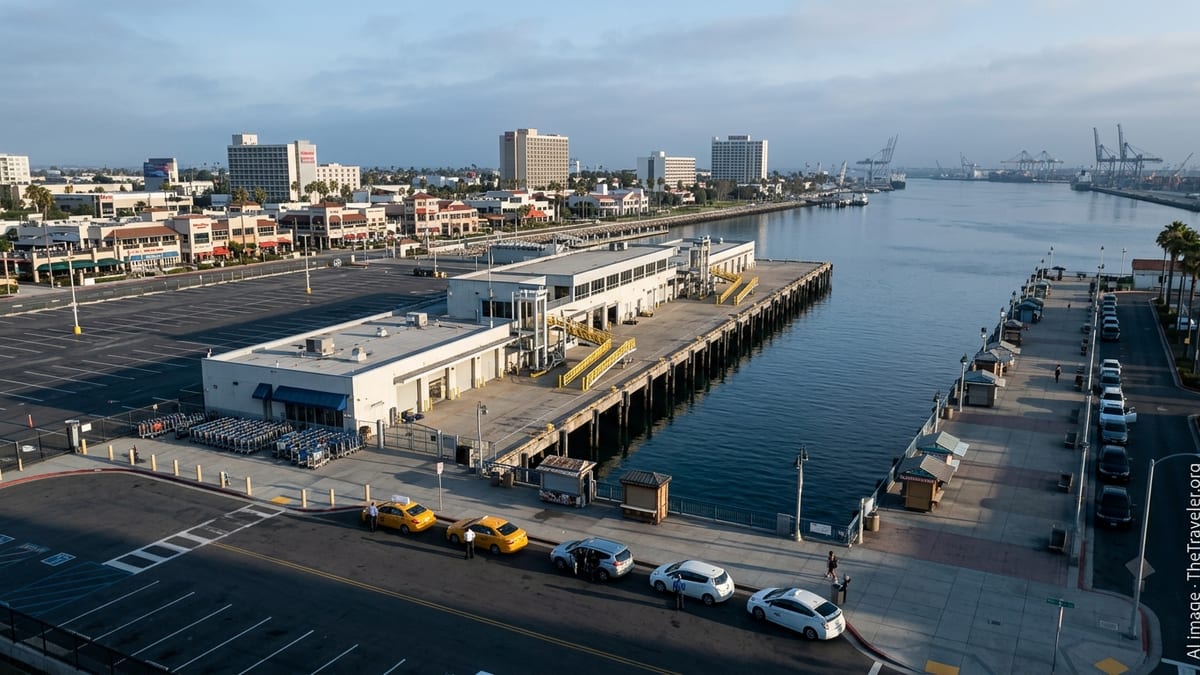
New Waves of Cancellations From a Key Homeport
Long Beach has grown into one of Carnival’s most important West Coast homeports, with the Carnival Panorama sailing year round to the Mexican Riviera and Baja California. In recent seasons, however, the ship’s recurring propulsion and engine issues have repeatedly disrupted operations, resulting in reduced speeds, altered routes and canceled voyages out of Long Beach.
Industry coverage indicates that earlier rounds of cancellations linked to the Panorama’s mechanical problems wiped out multiple Mexican Riviera sailings, with passengers offered refunds and future cruise credits. More recent reports point to continuing adjustments to itineraries, including the removal of marquee ports such as Puerto Vallarta from certain Long Beach departures, underscoring how fragile schedules can be when a single large vessel underpins much of a homeport’s cruise program.
At the same time, Carnival’s broader network changes have introduced new uncertainty. Coverage of the line’s long term plans highlights shifts in ship deployments, with vessels like Carnival Firenze slated to move away from the West Coast in the coming years. For Long Beach, which relies on a steady cadence of cruise calls rather than sporadic visits, any reduction in capacity or a prolonged maintenance period can quickly translate into fewer passengers on the ground and less money changing hands locally.
While the number of recent fully canceled sailings from Long Beach is far smaller than the mass shutdown seen during the pandemic years, the pattern of recurring technical issues and program reshuffles is fueling anxieties among stakeholders who remember how quickly cruise-related business can evaporate.
Economic Stakes for Hotels, Restaurants and Shore Operators
Publicly available cruise impact studies suggest that every ship call can inject around 1 million dollars into a port city’s economy once passenger spending, crew purchases, port fees and associated services are counted. In Southern California, pre pandemic analyses of Los Angeles and Long Beach cruise activity pointed to hundreds of millions of dollars in annual economic output tied directly to ship visits.
Visit Long Beach data released in late 2024 estimated that visitors generated roughly 1.97 billion dollars in economic impact for the city, with tourism outperforming much of the surrounding region in hotel revenue growth and sales tax contributions. That rebound was built on a mix of convention travel, leisure visitors and a robust cruise segment feeding guests to local hotels, bars, attractions and transportation providers.
When sailings are canceled or capacity is trimmed, that spending pipeline narrows quickly. Hotel operators lose pre and post cruise bookings, neighborhood restaurants see fewer same day diners, and rideshare drivers, taxis and shuttle companies face softer weekend demand. Independent shore excursion providers, from harbor tour outfits to bus companies running wine country or theme park trips, are particularly exposed because a single large ship can represent a substantial share of their weekly clientele.
Past disruptions illustrate the scale of the risk. During the height of the COVID 19 shutdown, published reports on the twin ports of Los Angeles and Long Beach described a collapse in cruise ship calls that slashed longshore work hours and was associated with an estimated 200 million dollar hit to the regional economy. While current Carnival disruptions are far smaller in scope, the renewed cancellations out of Long Beach are being viewed through the lens of that earlier shock.
Port Finances and City Budgets Under Pressure
The implications extend beyond frontline tourism businesses to city finances. In Long Beach, revenue from cruise operations is closely linked to the Tidelands fund, which supports waterfront infrastructure, beaches, lifeguards and the convention and entertainment center. Earlier waves of Carnival cancellations during the pandemic forced the city to lean more heavily on this fund to meet bond obligations tied to the cruise terminal and related projects.
Historical coverage from local business journals details how those cancellations reduced the flow of passenger fees and related port revenues, complicating long range planning for shoreline improvements. With visitor spending now back near record levels, Long Beach has been counting on stable cruise volumes to sustain capital projects and maintain key public services along the waterfront.
Fresh uncertainty around Carnival’s Long Beach program is therefore watched closely by budget planners. Even a modest dip in sailings can disrupt carefully modeled revenue assumptions, particularly if issues arise close to departure dates when alternative uses for berths, staff and parking facilities are limited. The more frequently sailings are canceled or radically altered, the harder it becomes for the port and city agencies to forecast cash flow and schedule future investments.
For a destination that has marketed its cruise terminal, downtown waterfront and convention facilities as an integrated tourism package, volatility in one pillar quickly radiates to the others. Concerns are sharpening that repeated mechanical issues or redeployments by a single dominant cruise partner leave Long Beach disproportionately exposed to corporate decisions and technical setbacks beyond the city’s control.
Ripple Effects Across the Mexican Riviera
The impact of disrupted Long Beach sailings is also felt far beyond California. Mexican ports that anchor Carnival’s itineraries, including Cabo San Lucas, Mazatlan and Puerto Vallarta, rely heavily on regular cruise calls from the West Coast. Recent government statistics from Baja California Sur reported more than 1.2 million cruise passengers in 2025 and underscored the strong role cruise visits play in local employment and small business revenue.
When a ship based in Long Beach skips a port, trims a call or cancels a sailing altogether, tour operators, market vendors, guides and transport providers in those destinations lose a day of business that is not easily replaced. Although the broader Mexican Riviera cruise sector remains robust, disruptions from a large homeported vessel can translate into noticeable gaps in local calendars and cash registers.
Regional tourism planners are therefore watching developments in Long Beach for signals about longer term capacity on the route. Persistent technical challenges or shifts in Carnival’s deployment strategy could reshape how often certain ports appear on itineraries, influencing investment decisions in piers, terminal infrastructure and waterfront retail districts along the Mexican coast.
For destinations that have expanded cruise dock facilities and built new visitor experiences based on expected growth in West Coast sailings, a pattern of cancellations tied to Long Beach departures underscores the importance of diversifying visitor sources and building resilience beyond a single homeport or operator.
Balancing Recovery Momentum With Long Term Resilience
Long Beach’s tourism narrative over the past two years has centered on strength and recovery, as visitor spending climbed past pre pandemic benchmarks and hotels reported strong occupancy helped by conventions and leisure travel. The renewed turbulence around Carnival’s Long Beach operations complicates that story, introducing new questions about how much of the city’s growth can safely rest on cruise traffic.
Industry analysts argue that while cruise tourism delivers high value visitors and repeat travel, it also amplifies vulnerability when a port is heavily reliant on one line and one flagship vessel. In Long Beach, the combination of recurring mechanical issues, shifting ship deployments and a still evolving global cruise market is reinforcing calls for a more diversified tourism base that can better absorb shocks.
For now, published information indicates that cruises continue to sail from Long Beach and that visitor spending citywide remains strong. Yet each fresh cancellation or itinerary cut from Carnival intensifies economic anxiety among waterfront businesses that endured the pandemic shutdown, reminding them how quickly full hotels and lively promenades can give way to quiet terminals and idle taxis when ships do not sail as planned.
How Carnival ultimately resolves its operational challenges on the West Coast, and whether Long Beach can further broaden its appeal through events, attractions and non cruise travel, will help determine whether the current turbulence remains a short lived squall or the first sign of a more unsettled cruise climate for one of California’s most important gateway ports.