

More news on this day
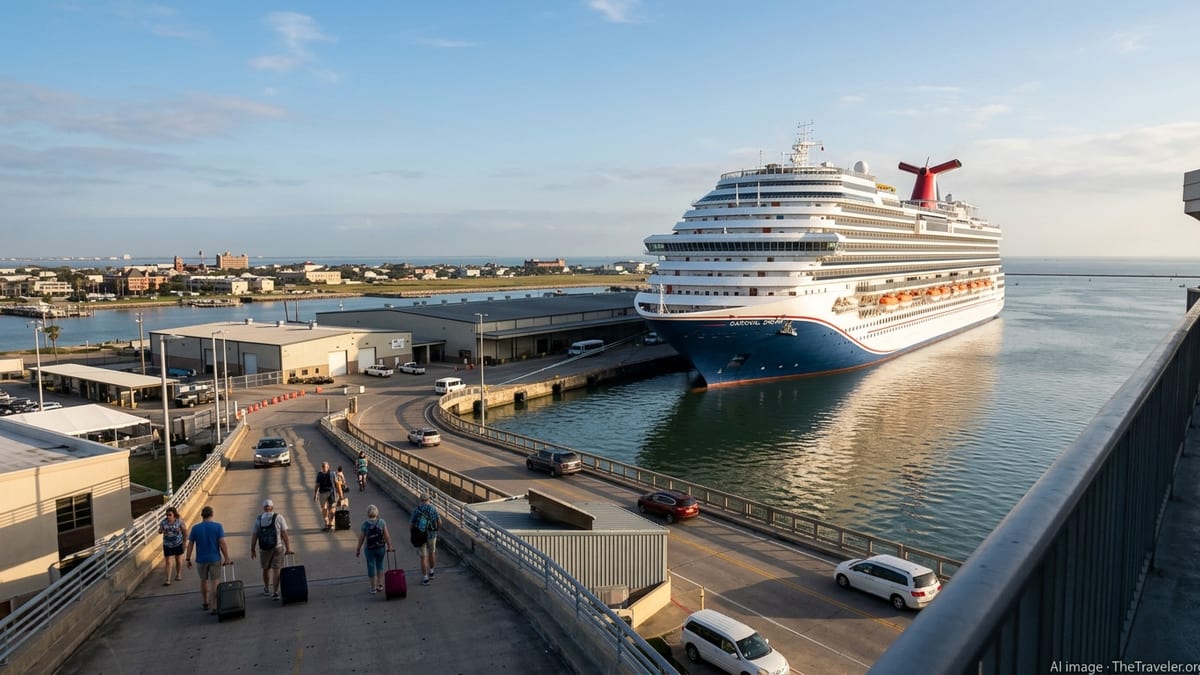
Carnival Dream has returned to its homeport of Galveston, Texas, following a sixteen-day refurbishment in Marseille, France, reentering service with refreshed venues and updated amenities as it resumes popular sailings to the Bahamas and Western Caribbean.
Get the latest news straight to your inbox!
Refurbished in Marseille for a Modernized Onboard Experience
The recent work on Carnival Dream took place at one of the major cruise-capable dry dock facilities in Marseille, a shipyard frequently used by international cruise brands for large-scale modernization projects. Publicly available industry documentation indicates that the yard has been handling a growing share of North American fleet overhauls, with extended docks and upgraded infrastructure suited to large, contemporary cruise vessels.
During the approximately sixteen-day stay, Carnival Dream underwent a combination of technical maintenance and guest-facing enhancements designed to refresh the ship mid-life and align it more closely with newer vessels in the fleet. Dry dock periods of this length typically include hull cleaning and repainting, work on propulsion and stabilizer systems, safety and regulatory inspections, and targeted upgrades in high-traffic interior areas.
Based on recent refurbishment patterns across the brand’s ships, the Marseille project is understood to have focused on revitalizing staterooms and corridors with new soft furnishings and finishes, updating select bars and lounges, and refreshing exterior decks where weathering is most visible. These changes are intended to maintain the ship’s appeal on competitive Caribbean and Bahamas routes while keeping essential behind-the-scenes systems in reliable working order.
The visit to Marseille also formed part of a broader strategy in which established ships are periodically cycled through European yards to receive technology and efficiency updates. These can include refined HVAC controls, energy-efficient lighting, and upgrades to galley or laundry equipment that improve day-to-day operations without significantly altering the ship’s overall layout.
Galveston Homeport Sees Refreshed Flagship Return
Carnival Dream’s return is notable for Galveston, which has become one of the busiest cruise gateways in the United States and a critical hub for the company’s deployments from Texas. Publicly available information shows that Carnival currently bases multiple ships year-round at the port, using Galveston as a launch point for itineraries across the Western Caribbean and to key Bahamas destinations.
Industry coverage of the port’s development highlights how Galveston’s cruise terminals have been expanded and upgraded in recent years to accommodate larger ships and more frequent sailings. Carnival Dream, one of the larger vessels regularly sailing from Texas, is considered a cornerstone of that deployment, balancing capacity with itineraries that appeal to families, couples, and group travelers within driving distance of the Gulf Coast.
The refreshed ship is expected to step back into this role immediately, with schedules showing near-continuous departures on six- to eight-night voyages. For Galveston businesses that rely on cruise tourism, including hotels, restaurants, parking facilities, and tour operators, the quick turnaround from dry dock back to homeport helps maintain visitor flow as the spring and summer travel seasons build.
The return also comes as the wider cruise sector continues to emphasize homeport diversity across the Gulf of Mexico. Galveston’s combination of drive-to accessibility for Texas and neighboring states, along with established air links through Houston-area airports, positions Carnival Dream to attract both regional guests and those connecting from farther afield.
Resuming Bahamas and Western Caribbean Itineraries
With maintenance and upgrades completed, Carnival Dream is resuming a program of cruises that alternates between Western Caribbean routes and sailings to the Bahamas. Schedule data published by cruise planners and aggregators shows Western Caribbean itineraries commonly featuring ports such as Cozumel in Mexico, Belize, and island destinations in Honduras, often with multiple sea days that showcase the ship’s onboard amenities.
On Bahamas-focused sailings, Carnival Dream is expected to call at popular ports including Nassau and newer private-island style destinations being promoted across the industry. These routes typically emphasize beach time, water sports, and resort-style shore excursions, aligning closely with the family-oriented onboard experience that the brand markets from Galveston.
Travel calendars for late 2025 and 2026 indicate that Carnival Dream will continue to mix shorter, more accessible sailings with longer special departure dates branded as extended “Journeys” cruises from Texas. These longer trips, often stretching beyond ten nights, tend to add less frequently visited Caribbean or Atlantic ports, appealing to repeat cruisers looking for different scenery without changing their homeport.
The timing of the ship’s refurbishment in relation to this schedule positions the vessel to operate these programs with minimal interruption. Guests booking for the coming seasons are effectively sailing on a ship that has just received a mid-cycle refresh, a detail that travel advisors and online agencies are already highlighting in promotional materials.
New and Updated Onboard Features for Guests
While the Marseille dry dock was primarily a maintenance-driven project, publicly available information and refurbishment trends across similar ships suggest that guests will notice a series of incremental improvements once aboard Carnival Dream. Recent refits elsewhere in the fleet have typically included refreshed pool deck surfaces, updated loungers and shade structures, and enhancements to family-friendly water play areas to keep outdoor spaces in line with modern expectations.
Indoors, guests can expect renewed carpeting and upholstery in staterooms and corridors, updated artwork, and small adjustments to lighting and color schemes in lounges and dining venues. Some past projects on sister ships have also introduced expanded casino spaces, reconfigured photo studios, and refreshed retail boutiques, providing additional revenue-generating options while giving guests a sense of something new to explore.
Dining and bar concepts on Carnival Dream remain focused on casual, variety-driven options that are already familiar to many Galveston cruisers, but refurbishments often involve behind-the-scenes work that indirectly improves the culinary experience, such as upgraded galley equipment and food-storage systems. These updates help the ship manage busy turnarounds and high-demand sailings, particularly during school holidays and peak vacation periods.
From a guest perspective, the most visible differences are likely to be the overall condition and polish of spaces that frequent cruisers know well. Fresh paintwork, renewed signage, and small design adjustments contribute to a feeling of being on a newer ship, even as the core layout and signature venues remain consistent with past seasons from Galveston.
Positioning Within Carnival’s Evolving Texas Strategy
Carnival Dream’s swift return to Galveston after the Marseille refurbishment fits into a broader deployment strategy that continues to emphasize Texas as one of the brand’s key gateways. Company schedules and previously released deployment plans show an expanding mix of ships homeported in Galveston, including newer, higher-capacity vessels and ships offering longer, more varied itineraries.
In this context, the refreshed Carnival Dream effectively bridges established loyalists and new-to-cruise guests. For travelers who have sailed the ship multiple times from Galveston, the latest updates provide a reason to return, with familiar itineraries combined with subtly reimagined onboard spaces. For first-time cruisers drawn by competitive pricing and drive-to convenience, the refurbishment reinforces the perception of a modern, well-maintained ship.
Travel industry analysts have noted that maintaining ship quality on core homeport routes is crucial as competing lines also increase capacity in the Western Caribbean and Bahamas. By investing in mid-life work at a major European yard and promptly returning Carnival Dream to Texas service, the brand is signaling its intent to keep Galveston-based offerings in line with rising guest expectations for comfort, technology, and overall condition.
As the ship resumes its cycle of Bahamas and Western Caribbean cruises, the Marseille refurbishment is expected to support reliable operations and an upgraded onboard environment through several more busy seasons. For guests boarding in Galveston, the changes will be experienced not as a dramatic overhaul, but as a fresher, more polished version of a ship that has become a familiar presence on the Texas cruise horizon.