

More news on this day
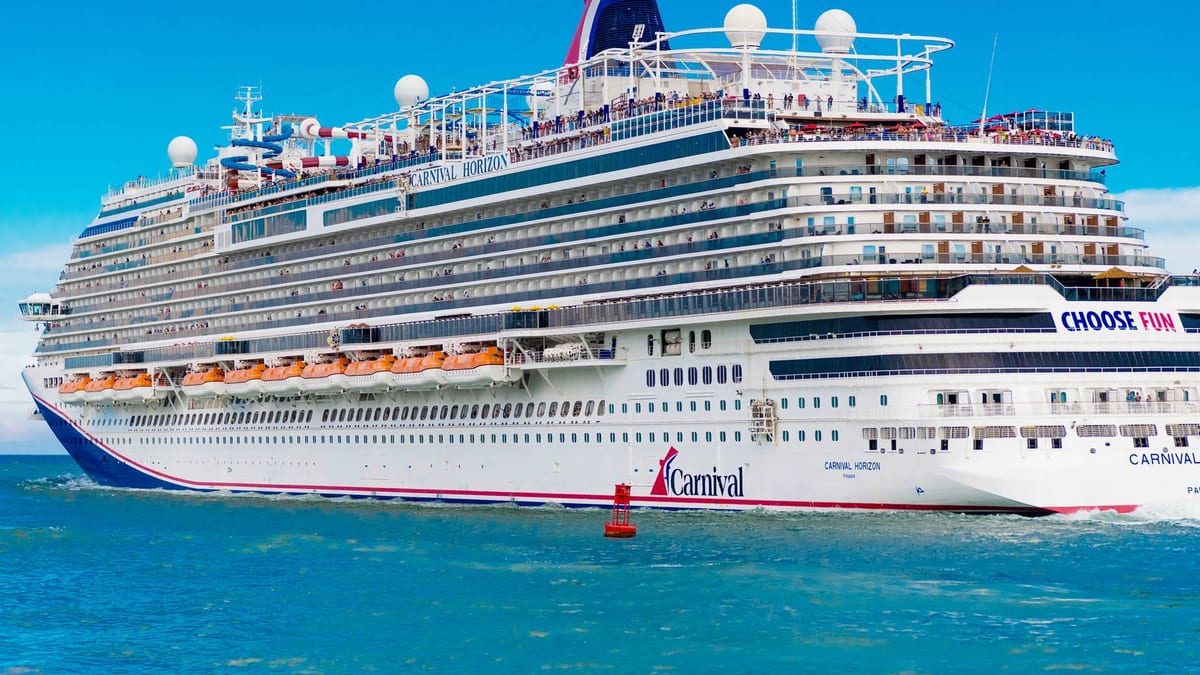
Carnival Horizon’s latest voyage into Miami concluded behind schedule after a reported mechanical issue limited the ship’s speed, prompting a slower return to PortMiami and delaying disembarkation for thousands of passengers.
Get the latest news straight to your inbox!
Mechanical Problem Forces Reduced Speed at Sea
Publicly available tracking data and cruise industry coverage indicate that Carnival Horizon developed a mechanical issue affecting its propulsion system while returning to Miami at the end of a Caribbean itinerary. As a result, the vessel sailed at a reduced speed for part of its journey, extending the time needed to reach PortMiami.
Reports from cruise-focused outlets describe the problem as a technical matter impacting the ship’s ability to operate at normal cruising speeds rather than a full loss of power. Carnival Horizon continued to make way toward Florida, but at a slower pace than scheduled, which eroded the time cushion typically built into final approach and port arrival plans.
Information shared by passengers through online forums and social media suggests that onboard services remained largely intact, with the most visible impact being the ship’s slower progress and updated timing announcements. While specific engineering details have not been widely disclosed, the situation is consistent with previous instances in which large cruise ships have had to limit speed to protect propulsion equipment until inspections and repairs can be completed.
Carnival Horizon, part of Carnival Cruise Line’s Vista-class, regularly sails from Miami on Caribbean itineraries, making the busy homeport familiar territory for both crew and guests. The reduced-speed transit nevertheless disrupted the finely tuned turnaround schedule that PortMiami relies on to process multiple large ships in quick succession.
Delayed Arrival Ripples Through PortMiami Operations
The mechanical issue translated into a later than planned arrival in Miami, which in turn slowed the start of the debarkation process. PortMiami, one of the world’s busiest cruise hubs, typically moves thousands of passengers per ship through customs and baggage claim during early morning hours so that terminals can be prepared for afternoon embarkations.
On this occasion, publicly available information and guest accounts point to longer waits on board before passengers were cleared to leave. Some travelers reported being held in public lounges and cabin areas for extended periods as terminal space and ground transportation gradually absorbed the delayed crowd.
The late arrival also intersected with the broader congestion patterns around PortMiami. Local travel advisories in recent months have already been highlighting heavy weekend traffic, construction near the port access roads, and the simultaneous turnaround of multiple megaships. Horizon’s schedule change added another layer of strain to that system by shifting passenger movements deeper into the morning and mid-day peak.
For airport-bound guests, the delay raised familiar questions about how early flights out of South Florida can safely be booked after a cruise. Travel experts often caution that even minor schedule changes, mechanical slowdowns, or port congestion can quickly erode the margin of error for same-day air connections from Miami or Fort Lauderdale.
Communication, Compensation and Passenger Impact
According to published coverage and traveler reports, shipboard announcements advised guests about the mechanical issue and the need to operate at reduced speed while engineers monitored the affected systems. Passengers were informed that the adjustment would result in a later arrival at PortMiami than originally scheduled, with updates offered as the ship approached South Florida.
Some accounts describe Carnival providing support for guests whose onward travel plans were jeopardized by the delay, including assistance with rebooking flights or adjusting airport transfers. In similar past cases across the cruise industry, companies have sometimes offered onboard credits or partial refunds when itineraries or arrival times were significantly disrupted, though the level of compensation can vary depending on circumstances and contractual terms.
For many travelers, the most immediate impact was logistical rather than safety related. Extended waits for customs clearance, changed transportation pickups, and uncertainty about flight connections contributed to a stressful end to what had been, for most, a standard Caribbean vacation. At the same time, some passengers expressed appreciation in public posts that the ship continued to operate with key services available while the issue was managed.
The episode underscores the importance of clear and frequent communication when technical problems interfere with tightly scheduled cruise operations. Timely information about revised arrival times, debarkation procedures, and transportation options can help passengers adjust plans and reduce anxiety as events unfold.
Mechanical Issues Highlight Broader Industry Challenges
The slowdown on Carnival Horizon fits into a broader pattern of mechanical and technical incidents across the global cruise fleet in recent years. Publicly available compilations of cruise events show that even relatively new or recently refurbished ships can encounter propulsion or engine problems that restrict maximum speed or require changes to planned routes.
Analysts note that modern cruise ships operate as complex, high-demand floating resorts that push power and hotel systems close to their limits, particularly on itineraries designed to minimize fuel consumption while maintaining appealing port calls. When issues arise, operators sometimes respond by reducing speed to protect equipment, adjusting schedules, or canceling individual ports in order to keep turnarounds manageable.
The disruptions come at a time when major cruise brands, including Carnival Corporation, are under pressure to manage operating costs, comply with tightening environmental regulations, and maintain reliability for a fast-growing customer base. Slower speeds caused by mechanical constraints can have knock-on effects on fuel planning, crew work schedules, and port logistics, even when the underlying issue is relatively contained.
Episodes like the Horizon delay are frequently cited in consumer travel advisories that encourage cruise passengers to build flexibility into their plans. Recommendations often include allowing extra time before booking flights, considering travel insurance that covers missed connections, and avoiding nonrefundable arrangements immediately following a cruise.
What Comes Next for Carnival Horizon and Future Sailings
Based on available scheduling information, Carnival Horizon is expected to continue operating its planned departures from Miami while the mechanical issue is assessed and addressed. In previous cases across the industry, similar propulsion-related concerns have sometimes been resolved through onboard repairs between voyages, while other situations have required scheduled maintenance periods or dry docks.
Future guests monitoring the situation have been turning to marine tracking websites, cruise news outlets, and passenger forums for indications that the ship is maintaining its advertised itineraries and speeds. As of early April 2026, publicly accessible data suggests that the delay has been treated as an operational disruption rather than a long-term withdrawal from service.
Industry observers point out that large cruise lines typically prioritize restoring full performance on high-profile ships based in marquee ports such as Miami. In practice, that can involve flying in specialized technicians, sourcing parts through global supply chains, and coordinating repair windows that do not excessively impact revenue sailings.
For travelers booked on upcoming Carnival Horizon cruises, the event serves as a reminder to keep an eye on pre-cruise communications, maintain flexible post-cruise schedules, and stay informed through reliable news and tracking sources. While significant safety incidents on large cruise ships remain relatively rare, mechanical issues that affect speed and timing can materially change the experience for guests at the beginning and end of their vacations.