

More news on this day
Carnival Cruise Line has recently removed or canceled a number of upcoming sailings as it reshuffles ships for dry docks and new homeports, leaving many travelers to discover that their long-planned cruises have vanished from booking engines or dramatically changed itineraries.
Get the latest news straight to your inbox!
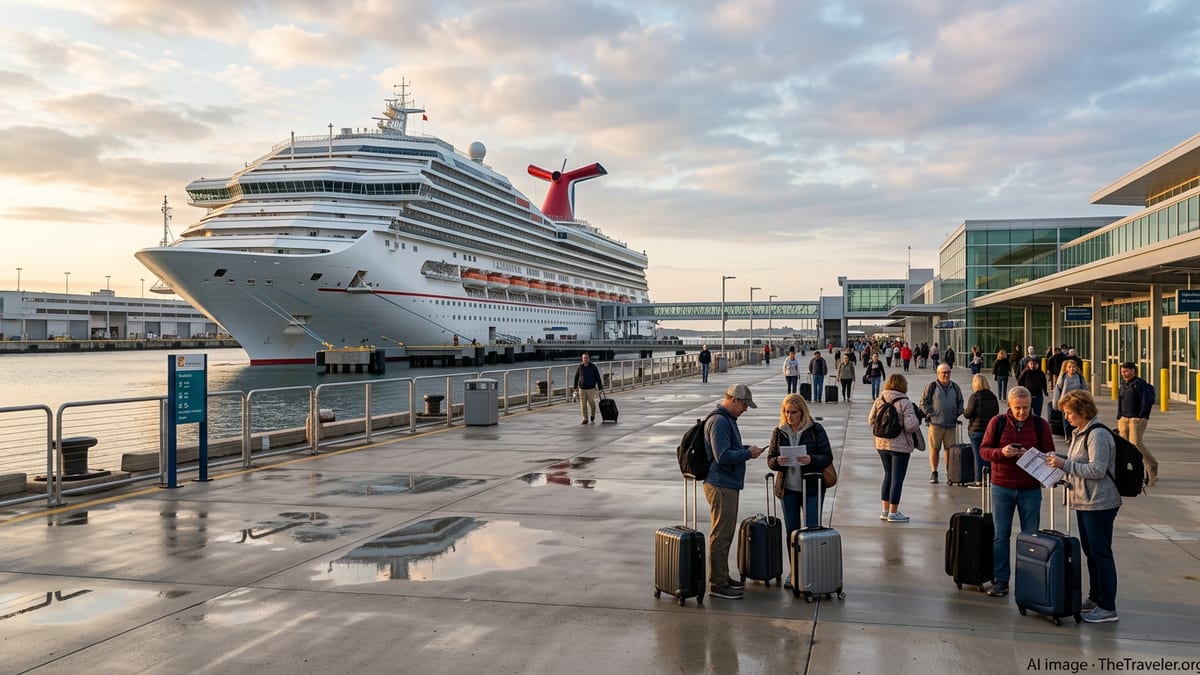
What Carnival Changed and Why Sailings Are Disappearing
Recent schedule adjustments across Carnival Cruise Line’s fleet have resulted in multiple cruises being canceled outright, while others have been significantly altered or moved to different departure ports. According to published coverage and public discussion among cruisers, some sailings in late 2026 that were previously open for booking no longer appear on Carnival’s website, even as the same ships are still scheduled to operate from different homeports during those dates. Reports indicate that these gaps in the schedule are linked to planned dry docks, redeployments to new ports such as New York, and longer-term itinerary redesigns.
Cruise industry reports and Carnival’s own regulatory filings show that the company has been increasing the number of dry dock days as it upgrades ships and refreshes onboard venues. Publicly available financial disclosures highlight higher dry dock activity as part of a wider strategy to modernize the fleet and meet evolving environmental and guest-experience standards. As a result, entire sequences of cruises can be removed, particularly shoulder-season and repositioning voyages, with guests shifted to alternative dates or routes.
Travel forums and cruise news outlets also point to broader industry trends driving Carnival’s changes. These include construction timelines at private destinations, shifting demand between North American homeports, and the need to fine-tune itineraries around weather risks and port congestion. For guests, the practical effect is the same: a cruise that once looked locked in on the calendar can suddenly be shortened, rerouted, or abandoned altogether, sometimes months after initial booking.
Because Carnival and other lines routinely adjust schedules several years out, the most affected sailings tend to be those booked far in advance. Guests who locked in 2025 and 2026 departures on popular ships are now among those confronting missing sailings or altered port lineups as the line completes its long-term deployment plans.
What Affected Guests Are Being Offered
When Carnival cancels a voyage or a series of cruises for operational reasons, guests are typically presented with a combination of refunds, future cruise credits, and rebooking options. Publicly available information from Carnival’s ticket contract outlines the company’s baseline obligations in certain scenarios. In the case of a cancellation or early termination due to mechanical failure, guests are entitled to a refund of the cruise fare in full or in proportion to the portion of the voyage that was not delivered, along with transportation back to the scheduled port of disembarkation or home city and necessary lodging, at Carnival’s expense.
For schedule changes that are not tied to mechanical breakdowns, Carnival’s contract gives the company wide discretion to alter itineraries, substitute ports, change the order of visits, or even cancel a proposed voyage when it considers the operation hindered by factors such as weather, labor issues, congestion, or regulatory constraints. In those broader cases, the contract indicates that the line may cancel a voyage without further liability beyond fare paid, although in practice cruise lines frequently offer goodwill credits or alternative sailings to retain customer loyalty.
Coverage in cruise media and accounts from affected guests show that when a sequence of cruises is abandoned due to dry dock or redeployment, Carnival often encourages passengers to move to similar itineraries on the same ship before or after the affected window, or onto sister ships sailing comparable routes. Depending on the specific case, rebooked guests may receive price protection if the new sailing is more expensive, onboard credit, or modest upgrades, though the exact offers vary by sailing and timing.
Travelers who booked through travel advisors are also seeing agencies negotiate on their behalf for additional consideration such as protected promotional rates or assistance with rearranging pre- and post-cruise land plans. Those who booked directly through Carnival generally need to work with the cruise line’s call center or online tools to shift their reservation and secure any available compensation.
How to Check If Your Cruise Was Quietly Canceled
With multi-year schedules constantly evolving, experts recommend that Carnival guests take a proactive approach rather than assuming a distant booking will remain unchanged. The first step is to log into Carnival’s website or app and verify that the reservation still appears exactly as originally booked. A missing itinerary, a changed departure date, or an unexpected placeholder schedule can be an early sign that a sailing has been altered or removed from public sale.
Even if the booking is present, small clues can point to behind-the-scenes changes. Travelers have reported seeing their detailed daily port list temporarily replaced by generic “fun day at sea” placeholders, or finding that shore excursions for a specific destination suddenly disappear from the excursion booking portal while the port still appears on the overview. In many documented cases, those signs were followed by formal notifications that ports were being swapped or removed.
Checking Carnival’s public cruise search for the same ship and dates can also be informative. If the sailing no longer appears as an option for new bookings, it may be sold out, under temporary website maintenance, or in the process of being canceled. Cruise watchers note that sailings can disappear and reappear as inventory shifts or deployment decisions are finalized, so a vanished listing is not definitive proof of cancellation but should prompt closer monitoring.
For guests traveling within the next two months, many seasoned cruisers recommend enrolling in all available notifications, monitoring email and text messages closely, and periodically reviewing online cruise communities, which often surface itinerary adjustments as soon as the first batch of emails is sent. Because final payment deadlines can trigger a wave of schedule reshuffles, travelers with sailings near those cutoffs may want to double-check details around that time in particular.
Steps You Can Take Now to Rescue Your Vacation
For travelers who discover that their Carnival cruise has been abandoned or substantially altered, acting quickly is key to preserving the essence of the planned vacation. The most immediate step is to review Carnival’s communication carefully for the specific options being offered, including full refund, rebooking on alternative dates, or transferring to a different ship or itinerary. Because similar replacement sailings can fill quickly after a cancellation announcement, guests who decide to move their booking often benefit by responding as soon as practical.
Next, travelers should map out the broader components of their trip to understand the ripple effects. Airfare, pre-cruise hotel stays, rental cars, and independently booked tours may all be impacted by a date or port change. Some airlines and hotels allow free date changes within a limited window, while others may charge fees. Reviewing each booking’s change and cancellation terms before making a final decision on the cruise can help avoid unnecessary penalties and highlight the cheapest path forward.
Guests who are flexible on dates but not on destination may wish to search Carnival’s broader deployment for similar itineraries from alternative homeports. With ships being moved between ports such as Galveston, Tampa, and New York, nearly identical Caribbean routes may be available from different gateways. In some cases, swapping to another embarkation port can preserve key ports of call while requiring only modest adjustments to flights.
Those who are unwilling to accept significant changes sometimes opt to cancel entirely and seek comparable sailings with other brands under the same corporate umbrella or with competing cruise lines. Because demand has been strong and many near-term cruises are heavily booked, travelers pursuing this route may find the best results by widening their search dates or considering shoulder-season departures, particularly in late spring and early autumn.
Protecting Future Bookings as Carnival Reshapes Its Fleet
The recent wave of canceled and reworked Carnival cruises underscores the importance of building flexibility and protection into future bookings. One of the most effective tools is comprehensive travel insurance that covers trip interruption and cancellation for a broad range of causes, including carrier-initiated changes. Policies vary widely, so travelers are encouraged to review coverage details, focusing on benefits related to schedule disruptions, missed connections, and additional lodging or transport costs.
Choosing refundable or changeable airfare, where possible, can also offer a buffer when itineraries shift. While these tickets may cost more upfront, they can be substantially cheaper than paying change fees, fare differences, or last-minute walk-up prices if a cruise is abandoned or dates move by several days. Similarly, booking hotels with flexible cancellation policies can minimize losses if a departure port changes or a pre-cruise stay is no longer needed.
Many experienced cruisers recommend diversifying plans slightly by avoiding locking in nonrefundable extras too far ahead of the cruise, especially for departures more than a year away. Waiting longer to commit to independent tours, specialty dining packages, or long-distance positioning flights can reduce the number of moving parts if the ship’s schedule is overhauled.
Finally, staying informed about Carnival’s long-term deployment announcements can help travelers anticipate where adjustments are most likely. When new homeports, private destination projects, or major dry dock programs are publicized, it often signals that surrounding seasons and sailings will be in flux. Guests who keep an eye on these developments, confirm their reservations periodically, and build flexibility into their broader travel plans will be better positioned to rescue their dream vacation if their original cruise is suddenly taken off the board.