

More news on this day
Carnival Corporation is reporting a modest softening in European cruise bookings following the latest escalation of conflict in the Middle East, but publicly available information indicates no meaningful wave of cancellations or large-scale disruption across its key brands.
Get the latest news straight to your inbox!
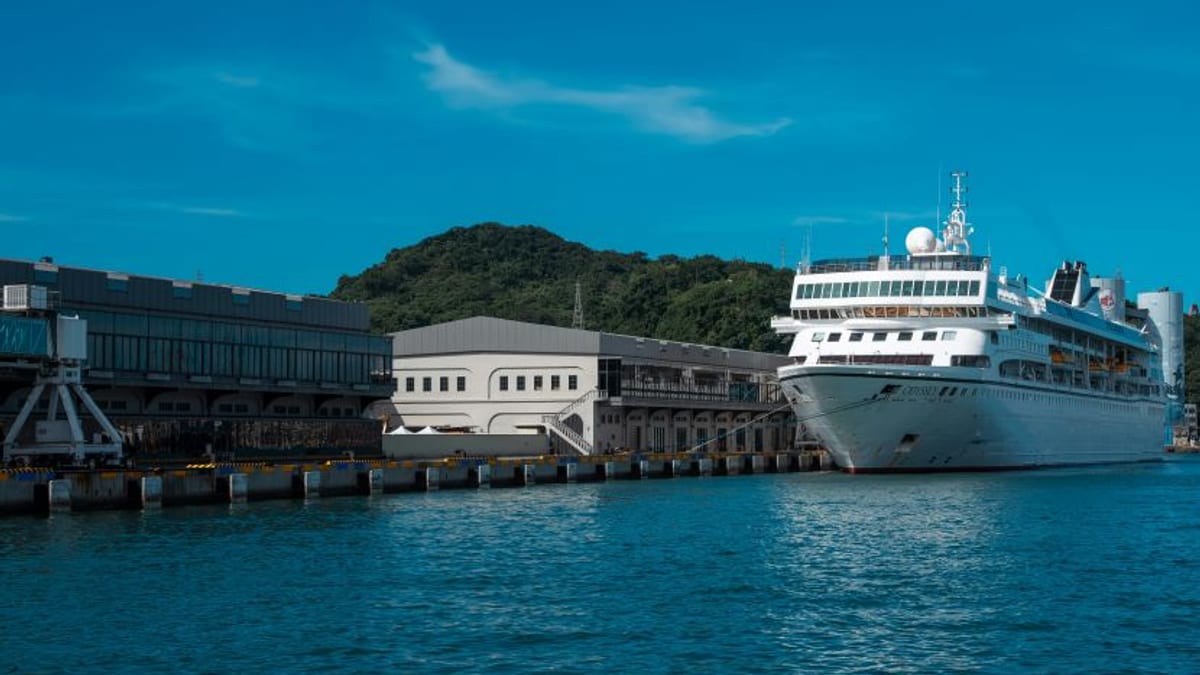
Image by Travel and Tour World – Tourism, Airline, Destination, MICE, Gobal Travel Market, Hotel news that you will find only over here.
Booking Patterns Shift as Geopolitics Weigh on Sentiment
Recent trading updates and market commentary indicate that Carnival’s overall booking environment remains robust, with record forward sales for 2026 and 2027 helping to underpin the company’s recovery trajectory. Within that broader strength, however, the latest geopolitical shock tied to the closure of the Strait of Hormuz and sharply higher oil prices appears to be creating pockets of weakness in Europe-focused demand.
Analyst notes and financial news coverage describe a “slight” or “modest” slowing in new European bookings rather than a reversal of the broader recovery trend. Reports suggest that some potential guests are taking a more cautious approach to itineraries perceived as closer to the Eastern Mediterranean or Middle East, while core Northern Europe and Western Mediterranean programs continue to attract steady interest.
Market-focused analysis points out that the impact is most visible at the margin, in slower booking momentum and greater price sensitivity for selected departures. This is occurring against a backdrop of otherwise strong global demand for cruising, particularly in the Caribbean and Alaska, where pricing and occupancy are reportedly tracking ahead of pre-pandemic levels.
Despite the heightened uncertainty, coverage of Carnival’s latest earnings release highlights that management has not signaled a material deterioration in its overall booking curve. Instead, the narrative centers on tactical adjustments and careful monitoring of trends in Europe rather than wholesale changes to deployment strategy.
Minimal Cancellations Despite Middle East Conflict
While the latest Middle East conflict has rattled energy markets and triggered broader travel disruptions in some parts of the world, publicly available information does not indicate a significant increase in cancellations for Carnival’s European cruises. Financial disclosures and industry commentary emphasize that existing bookings for European sailings remain largely intact.
Travel and investment reports note that Carnival is facing an external shock primarily through higher fuel costs and investor nerves, rather than through a collapse in passenger confidence on already-booked voyages. Although some individual guests may choose to alter plans, analysts tracking the company do not describe a large-scale wave of cancellations across European itineraries.
This pattern contrasts with other tourism segments closer to the conflict zone, where regional media coverage has documented sharper drops in hotel bookings and package tours. For cruise lines such as Carnival, which can reroute or re-time itineraries, the prevailing story in Europe is one of softer new demand in certain markets rather than widespread abandonment of existing trips.
Public filings also highlight that Carnival continues to operate with high occupancy levels overall, suggesting that slight pressure on European routes is being offset by strength in other regions. That backdrop has helped support guidance for higher net yields and contributes to the company’s confidence in its medium-term growth targets.
Operational Adjustments and Itinerary Management
The conflict’s most direct impact on Carnival’s European business is emerging through itinerary planning and operational risk management, particularly for brands such as Costa and AIDA that are more exposed to European and Mediterranean routes. Investment research and cruise trade coverage report that the company has adjusted or removed some calls that could be affected by regional instability or by disruptions to shipping lanes.
These changes are characterized as targeted rather than sweeping. Carnival’s multi-brand structure, combined with its global footprint, enables the company to redeploy capacity toward itineraries in the Caribbean, Northern Europe, and other markets that remain in high demand. Publicly available information shows that this flexibility is being used to preserve revenue and manage risk without triggering significant cancellation volumes.
At the same time, the surge in fuel prices following disruptions in the Strait of Hormuz is feeding into higher operating costs for all cruise operators. Industry and financial reports describe this as a key margin headwind, prompting companies like Carnival to lean on efficiency measures, hedging strategies, and, where the market allows, selective price increases.
For European cruises in particular, itinerary optimization can help reduce exposure to longer, fuel-intensive repositioning segments or routes that require detours around sensitive chokepoints. Observers note that such adjustments can be executed while preserving the core appeal of European sailings, from marquee Mediterranean ports to popular Northern capitals.
Investor Reaction Highlights Fuel and Geopolitical Risks
Equity market reaction to the Middle East conflict has been pronounced across the cruise sector, and Carnival’s share price has moved sharply at times as oil prices spiked and regional tensions escalated. Financial news coverage links recent stock volatility to concerns that sustained high fuel costs and prolonged instability could eventually erode margins and demand.
Analysts tracking Carnival emphasize that, for now, the conflict is functioning as a stress test. Reports frame the key question as whether today’s modest softness in European bookings and route adjustments evolves into a more durable drag on earnings, or remains a temporary headwind absorbed by strength in other regions.
Commentary also notes that Carnival has been working to repair its balance sheet and reduce leverage following the pandemic period. Stronger cash generation, record bookings in core markets, and newly announced share repurchase plans are cited as buffers that can help offset shocks tied to geopolitics and energy markets.
However, investor-focused analysis stresses that visibility remains limited, particularly if the conflict widens or persists. In that scenario, European source markets could face broader economic strain, potentially adding macroeconomic pressure to the more immediate booking and cost challenges already evident at the margins.
European Cruise Outlook Remains Cautiously Resilient
Looking ahead to the peak summer seasons of 2026 and beyond, the picture forming from public reports is one of cautious resilience for Carnival’s European portfolio. The company is contending with slightly softer booking trends and higher costs, but the fundamental appetite for cruising appears intact across its major brands.
Travel industry analysis indicates that European consumers continue to prioritize holidays, even as they navigate higher living costs and geopolitical uncertainty. Cruises, which bundle transport, accommodation, and entertainment into a single product, can be positioned as a value-oriented option in this environment, helping to support baseline demand.
Carnival’s ability to redirect ships toward more resilient regions, fine-tune itineraries, and adjust pricing mix gives it tools to manage localized weakness without fundamentally reshaping its European strategy. Published coverage underscores that these levers, together with robust forward bookings in markets such as the Caribbean and Alaska, provide a measure of insulation against the current conflict-related shock.
For now, Europe remains part of Carnival’s broader recovery story rather than a flashpoint for systemic disruption. The slight decline in bookings linked to Middle East tensions is being monitored closely, but the absence of significant cancellations suggests that most travelers who have already committed to sailing are, at least so far, choosing to stay the course.