

More news on this day
Carnival Corporation is reporting a modest softening in European cruise bookings amid the escalating conflict in the Middle East, but publicly available information indicates the company has not seen a wave of cancellations or a material hit to overall demand.
Get the latest news straight to your inbox!
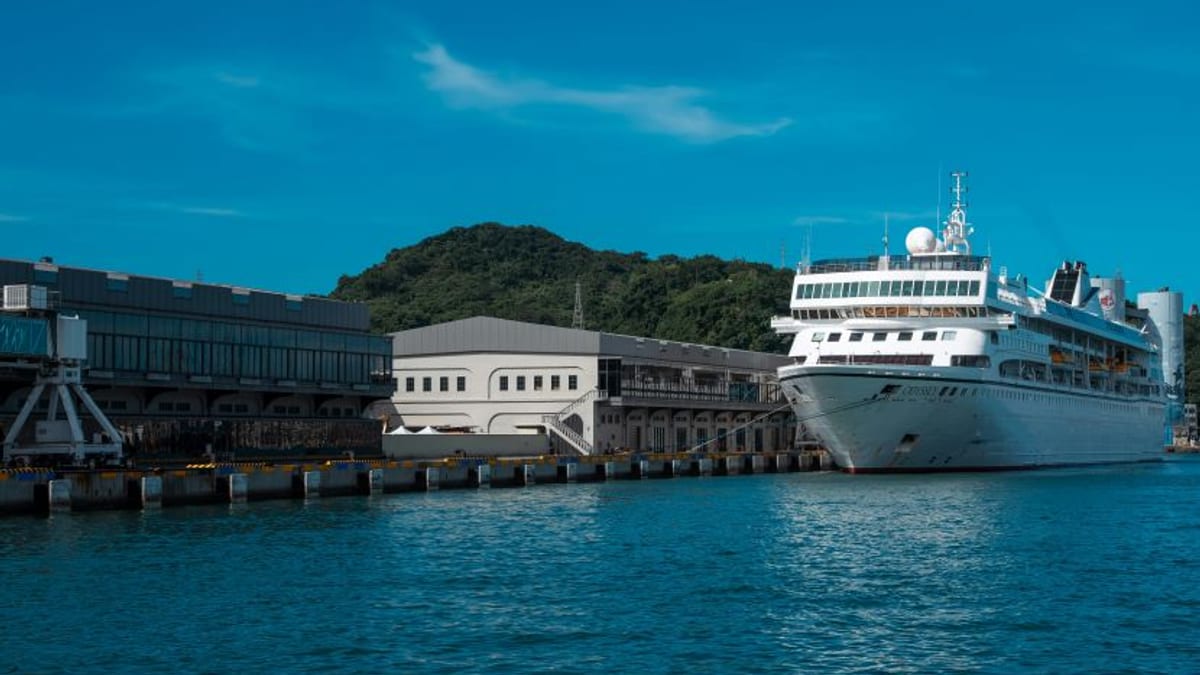
Image by International Cruise News: Latest Cruise Line & Cruise Ship News
European Demand Eases, But Core Booking Strength Holds
Recent guidance and analyst commentary around Carnival’s first-quarter 2026 performance suggest that while the Middle East conflict has added fresh uncertainty for global travel, the company’s European programs remain largely intact. Reports indicate that forward booking trends for Europe have softened compared with earlier expectations, with some travelers delaying decisions or shifting to alternative regions. The easing appears to be incremental rather than a sharp reversal of demand.
Market previews ahead of Carnival’s 27 March 2026 earnings release highlight that roughly two-thirds of the group’s 2026 capacity has already been sold, underscoring how robust underlying demand remains. That base of committed business is helping to buffer the impact of any recent hesitation around itineraries that touch the Mediterranean or rely on long-haul air links through affected hubs.
Travel trade coverage suggests that European cruise demand has been especially sensitive to news of flight disruptions and higher airfares linked to the conflict, rather than to direct fears about sailing conditions in the Mediterranean. Some potential guests are reported to be reassessing long-haul trips that require transits through Gulf hubs, although many established European source markets can still access ports via intra-European air corridors.
Despite the softer tone, publicly available commentary characterizes the change as a “slight decline” in new European bookings, rather than a collapse in demand. Analysts tracking the sector describe the overall booking curve for Carnival as solid, with the company still benefiting from the broader post-pandemic appetite for cruising.
No Sign of Widespread Cancellations Linked to the Middle East
While the war involving Iran and the closure of parts of Middle Eastern airspace have had dramatic effects on aviation and regional shipping, there is currently little evidence that Carnival is facing large-scale cancellations on its European sailings. Industry coverage instead points to isolated itinerary adjustments and selected route changes, a pattern mirrored across the cruise sector.
Specialist travel media note that many major cruise brands have curtailed or rerouted itineraries in and around the Gulf, the Red Sea and the Eastern Mediterranean when routes pass close to conflict zones. For Carnival, the bulk of capacity remains focused on North America and mainstream European itineraries that can avoid the most sensitive areas, which reduces direct exposure to the immediate security risks.
Reports from travel advisors and cruise retailers describe a steady stream of questions from guests about safety and possible changes to itineraries, but not a proportionate spike in cancellations for Europe-focused voyages. Customers with existing bookings are often opting to monitor developments, relying on cruise lines to adjust routes if conditions warrant, rather than preemptively abandoning their trips.
Where cancellations are occurring, they appear to be driven more by air-travel complications, such as suspended routes through Gulf hubs or sharply higher fares on alternate connections, than by concerns over European ports themselves. With airlines still fine-tuning networks in response to closed airspace, that dynamic may continue to influence booking patterns through the summer season.
Rising Fuel Costs and Operational Adjustments Add Pressure
Even as passenger demand holds up, the Middle East conflict is exerting new pressure on Carnival’s cost base, particularly through surging fuel prices. Energy market analysis shows Brent crude moving sharply higher since the February escalation, a trend that feeds directly into fuel bills for operators that do not hedge a large portion of their consumption.
Industry commentary contrasts Carnival’s approach with that of peers that have extensive fuel hedging programs. Reports on the broader cruise sector note that companies with more limited hedging, including Carnival, feel the impact of fuel price spikes more quickly and more fully. That cost sensitivity raises the prospect of higher fares or surcharges later in the year if oil prices remain elevated.
Operationally, the closure of the Strait of Hormuz and rerouting of global shipping lanes through longer passages such as the Cape of Good Hope have increased voyage times and logistics complexity for some maritime operators. While Carnival’s core European programs do not rely on Gulf transits, the broader disruption in marine fuel supply and pricing can still reverberate across bunkering hubs used by European-based ships.
Market analysis suggests that, for now, cruise lines are betting that strong demand will allow at least part of these higher costs to be passed on to travelers without significantly denting bookings. That calculus could be tested if household budgets come under renewed strain from higher travel and energy costs across the European economy.
Traveler Sentiment: Caution, But Ongoing Appetite for Europe
Surveys and travel-agency feedback compiled in recent weeks describe a nuanced picture of traveler sentiment. On one hand, global tensions and prominent news coverage of airspace closures have led to more cautious planning among some European vacationers. On the other, the desire to travel, particularly on cruises that bundle transportation, lodging and entertainment into a single package, remains strong.
Reports focused on spring and summer travel patterns show an increase in trip modifications, such as changing destinations or timelines, rather than outright abandonment of plans. For European cruises, this can mean guests opting for Western Mediterranean or Northern Europe itineraries instead of routes that approach the Eastern Mediterranean, or choosing sailings that depart from ports easily reached without transiting affected air corridors.
The broader tourism context is also shaping demand. Coverage of European airlines highlights potential ticket price increases for routes affected by longer detours and higher fuel costs, which may nudge some travelers toward cruise products that are marketed as offering better value. For Carnival, that dynamic could offset some of the hesitation tied to geopolitical risk, particularly among price-sensitive customers.
At the same time, travel insurance limitations related to acts of war and civil unrest are encouraging travelers to scrutinize policy language more closely. Consumer-facing reports indicate that travelers are seeking clearer information about how itinerary changes are handled and what protections are available if conflict zones expand, factors that can influence both new bookings and the decision to keep existing European reservations.
Outlook: Watching the Summer Season and Itinerary Mix
Attention in financial and travel circles is now turning to how Carnival will frame its summer 2026 expectations for Europe when it reports quarterly results. Analysts will be looking for updated commentary on regional booking trends, onboard spending patterns, and any shift in the mix of itineraries as the company navigates the evolving conflict backdrop.
Forward-looking assessments suggest that, if the conflict remains geographically contained and key European air corridors stay open, Carnival’s European business is likely to experience only a modest drag from softer bookings and higher operating costs. A more severe or prolonged disruption to air travel or energy markets, however, could create fresh headwinds later in the year.
For now, publicly available information portrays a company that is managing through a complex environment with relatively limited direct disruption to its European cruise schedule. Slight declines in new bookings are being cushioned by a substantial base of already-committed guests and by flexibility to adjust itineraries away from higher-risk areas.
Travelers considering European voyages with Carnival appear to be weighing the headlines against the practical reality that most mainstream itineraries remain far from active conflict zones. As the situation in the Middle East continues to evolve, that balance between perceived risk and pent-up desire to travel will be central to how European cruise bookings perform through the rest of 2026.