

More news on this day
Carnival Cruise Line is drawing renewed attention to how travelers can better manage fog-related delays at Florida and southern U.S. ports, as seasonal weather patterns and rising passenger volumes increasingly intersect at some of the world’s busiest cruise gateways.
Get the latest news straight to your inbox!
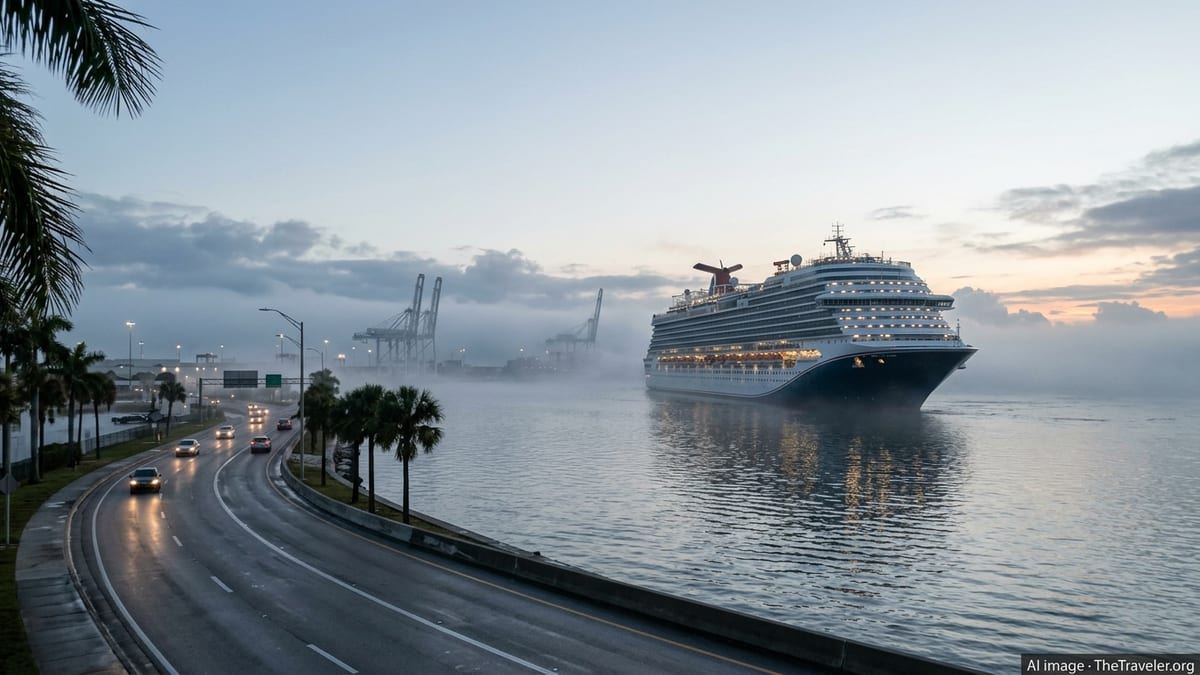
Seasonal Fog Meets Surging Cruise Demand
Dense morning fog in the Gulf of Mexico and along Florida’s west coast has recently disrupted cruise operations at ports such as Tampa and Mobile, leading to delayed arrivals, extended embarkation windows and revised boarding times. Local advisories in early 2026 indicated multiple cruise ships were held offshore near Tampa Bay until visibility improved, underscoring how quickly conditions can impact tightly timed turnarounds.
Coverage from cruise industry outlets has highlighted several episodes in which Carnival ships were slowed or briefly prevented from entering port due to fog, including calls to Tampa and Mobile. In some cases, arrivals were pushed back by several hours while harbor pilots waited for safe navigation windows, triggering a cascade of schedule changes for disembarking and embarking guests.
The disruptions are emerging as Florida’s cruise sector continues to expand, with major ports reporting millions of annual cruise passengers and steady growth in homeported capacity. As larger vessels and more frequent sailings concentrate in hubs such as Tampa, Miami, Port Canaveral and Mobile, any weather-related closure or slowdown can ripple across flight schedules, hotel stays and shore-side tourism spending.
Publicly available planning documents for Florida ports emphasize that fog closures are safety-driven decisions often made in coordination with pilots and marine traffic authorities. Cruise operators have limited ability to predict exact reopening times, which has led lines such as Carnival to emphasize guest communication tools and flexible day-of-travel planning to mitigate frustration when delays occur.
How Carnival Reaches Guests During Fog Disruptions
Recent travel advisories and third-party coverage describe how Carnival uses a mix of text messaging, email updates, website notices and app notifications to relay information when weather disrupts operations. Guests who opt into the line’s text alert programs during online check-in can receive real-time messages about revised boarding windows, adjusted check-in times and any changes to embarkation procedures.
Industry commentary on Carnival’s weather practices notes that text alerts often instruct guests not to travel to the terminal until a new arrival time is confirmed, particularly when port entries are delayed by fog. This approach aims to keep terminal areas from becoming overcrowded with early arrivals while previous cruises are still disembarking later than planned.
Advisories shared through travel agent portals and cruise news sites also stress the importance of monitoring Carnival’s official channels on the morning of departure. When thick fog closes a channel or harbor, the duration can range from a brief pause to most of the day, depending on local forecasts. By adjusting boarding groups and staggering arrival guidance, cruise lines seek to keep security, baggage handling and check-in functioning smoothly once ships are cleared to dock.
Publicly available travel guides recommend that passengers verify their contact details during online check-in so they can be reached quickly if port conditions change. In the context of recurring fog episodes at Gulf and Southeast ports, consistent use of these channels is being presented as a key tool for managing expectations and reducing congestion around cruise terminals.
Practical Planning Tips for Fog-Prone Departure Days
Travel advice drawing on recent fog events suggests that guests sailing from Tampa, Mobile, New Orleans and other Gulf and Florida ports build additional flexibility into their plans. Guidance commonly includes avoiding the earliest same-day flight arrivals, allowing extra ground travel time in case of traffic backups and being prepared for shifting boarding slots if the ship’s arrival is delayed.
Consumer-oriented cruise guides highlight the value of monitoring local weather forecasts and port notices in the 24 hours before sailing, particularly in late fall and winter months when temperature inversions and calm winds can produce dense morning fog. While a cruise is unlikely to be cancelled solely due to a short-lived fog event, same-day schedules for embarkation, safety drills and initial port calls may be compressed or adjusted.
Reports from frequent cruisers also point to the benefits of packing medications, a change of clothes and key travel documents in carry-on bags, rather than checked luggage, in case guests spend longer than expected in terminal waiting areas. With more passengers choosing ride-hailing services or shuttles to reach ports, travel advisers note that it is prudent to anticipate possible gridlock around terminal access roads when multiple ships are delayed simultaneously.
Another recurring recommendation in publicly available materials is to keep post-cruise plans flexible on the return day, especially when sailing during seasons prone to low visibility. If fog delays a ship’s morning arrival, disembarkation can extend well into the afternoon, affecting tight onward flight connections and same-day tours.
Fog Management as Part of Cruise Tourism Growth
As Florida and Gulf Coast ports expand terminals and add berths to handle rising cruise volumes, operational resilience to weather-related disruptions is becoming part of broader tourism planning. Port reports describe investments in upgraded navigation systems, traffic management measures and terminal enhancements intended to move larger numbers of passengers efficiently when ships are cleared to dock after delays.
Economic analyses of cruise tourism in Florida indicate that each ship call can generate substantial spending on hotels, dining, excursions and transportation, magnifying the stakes when arrival times shift unexpectedly. While fog events remain intermittent compared with tropical storms or hurricanes, they tend to materialize with shorter lead times, leaving less room for long-range itinerary changes and placing more emphasis on same-day coordination.
In this context, Carnival’s public guidance on communication tools and flexible travel planning is presented by travel commentators as one piece of a wider effort by the cruise sector to balance rapid growth with guest experience and safety. Efficient handling of fog delays, they note, can help protect traveler confidence in homeports that increasingly rely on weekend turnarounds and tight operational windows.
Tourism observers add that the way lines and ports manage these disruptions influences perceptions not only of the cruise brand but also of the destination city. Clear, consistent messaging and visible organization at the terminal are seen as critical for ensuring that an unavoidable weather delay does not overshadow the broader appeal of Florida’s cruise gateways and the southern U.S. itineraries they support.
What Travelers Can Expect in Upcoming Seasons
Looking ahead to upcoming winter and early spring seasons, industry forecasts suggest continued growth in cruise capacity at Florida and Gulf ports, including added sailings and redeployed ships from major brands such as Carnival. With more voyages departing on peak weekends, fog-related slowdowns in select ports are likely to remain a recurring operational challenge.
Travel analysts anticipate that cruise lines will keep refining guest communication tools and embarkation processes as they learn from recent episodes of low-visibility closures. This may include more detailed pre-cruise advisories, expanded use of mobile alerts on embarkation day and closer coordination with airports, hotels and ground transportation providers in key port cities.
For travelers, the practical takeaway from these developments is an emphasis on preparation rather than concern. Publicly available travel guidance continues to recommend arriving in the region at least a day before sailing when possible, opting into cruise line alerts, and building cushion time into both pre- and post-cruise plans during seasons when fog is more common.
As cruise tourism continues to grow across Florida and the broader southern United States, the ability of lines such as Carnival and their partner ports to handle short-term weather disruptions smoothly will remain a central factor in sustaining passenger confidence and maintaining the region’s reputation as a reliable gateway to Caribbean and Gulf itineraries.