

More news on this day
Hong Kong flag carrier Cathay Pacific is sharply increasing fuel surcharges on tickets issued from early April, undermining long-haul fare certainty and leaving passengers braced for steeper, less predictable final ticket prices as jet fuel costs surge during the Middle East conflict.
Get the latest news straight to your inbox!
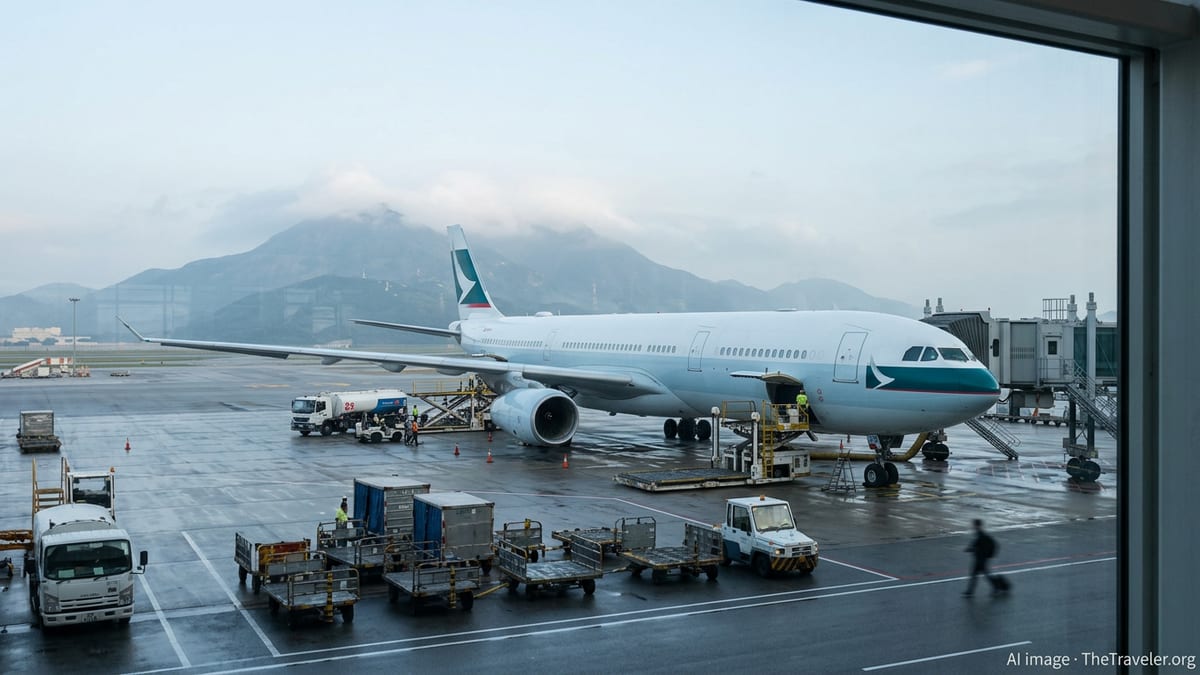
Cathay Confirms Steep Surcharge Reset as Oil Prices Spike
Cathay Pacific has told agents and customers it will raise fuel surcharges on a wide range of routes after jet fuel prices jumped in March, following weeks of instability in the Middle East and supply concerns around key shipping choke points. The move comes on top of a global trend of airlines passing higher fuel expenses directly to travelers.
According to Cathay’s latest sales bulletins and online surcharge tables, the carrier is updating its fuel levy structure for tickets issued from early April 2026, only weeks after a smaller adjustment that took effect on March 1. For journeys starting in Hong Kong, the surcharge on many long haul itineraries is set to climb well beyond the HKD 569 level that applied in February, erasing a brief period of relative price stability.
While Cathay has not publicly released a full consumer-facing breakdown of the new per sector fees, people familiar with the changes and recent trade circulars indicate double digit percentage increases on some long haul routes, in line with or higher than those imposed earlier this week by rival Hong Kong Airlines. That carrier raised surcharges by up to 35 percent, pushing levies on trips to North America, Europe, the Middle East and Africa to HKD 739 per direction.
In a statement referenced by regional media outlets, Cathay stressed that its surcharge mechanism is reviewed monthly and is tied primarily to movements in jet fuel prices rather than headline crude benchmarks. The airline said adjustments would continue to be made “where appropriate,” signaling that the latest hike may not be the last if fuel markets remain volatile.
Fare Certainty Erodes as Surcharges Outpace Base Fares
For passengers shopping for flights out of Hong Kong, the growing weight of surcharges in the total ticket price is making it harder to compare options or lock in budgets. Travel agents say many promotional base fares advertised by airlines now represent only a fraction of what passengers actually pay once fuel levies and other mandatory charges are added at checkout.
Short haul travelers have already seen that effect play out. In February, Cathay’s fuel surcharge for regional routes was HKD 142, while long haul itineraries carried a HKD 569 charge from Hong Kong. Industry executives now expect the long haul figure to jump by several hundred Hong Kong dollars under the new structure, potentially overtaking the base fare on some deeply discounted economy tickets, especially during shoulder seasons.
That imbalance is particularly visible on competitive routes to North Asia and Southeast Asia, where low headline fares have become a key marketing tool. Agents report growing frustration from customers who initially see attractive prices to popular destinations such as Tokyo, Seoul, Bangkok or Singapore, only to discover that fuel and other surcharges can add as much as a third to the final bill.
Analysts note that while fuel surcharges originated as a temporary response to past oil shocks, they have since evolved into a semi-permanent pricing instrument. In Hong Kong’s deregulated environment, there is no longer a strict government cap on surcharge levels, allowing airlines substantial flexibility to ratchet the fees up or down with each monthly review.
Travel Agents Warn of Ticket Shock and Booking Rush
Hong Kong travel agencies are already fielding calls from worried clients, with many advising customers to bring forward bookings before the higher Cathay surcharges fully filter through to online travel platforms and tour packages. Some agents report a mini booking rush on key long haul routes, as travelers try to secure seats under March’s lower fee regime.
Agency representatives say airlines typically give the trade only a short window between announcing new surcharge levels and the effective ticketing date. That tight timeline can catch price sensitive travelers off guard, especially those planning family holidays or multi stop itineraries to Europe, North America or Australasia that involve several individual flight sectors, each carrying its own levy.
Group tour operators are also feeling the impact. Packages sold months in advance often include an estimated fuel surcharge based on current levels, but sharp midseason increases can wipe out already thin margins or force companies to seek additional payments from customers. Some operators in Hong Kong say they are revising terms and conditions to make clear that fuel related supplements may be adjusted closer to departure.
Consumer advocates argue that the structure leaves passengers bearing the brunt of fuel risk that was once absorbed by airlines. They are calling for clearer breakdowns of surcharges at the advertising stage and for regulators to monitor whether the fees fall again should jet fuel prices retreat later in the year.
Regional Carriers Move in Lockstep as Conflict Weighs on Outlook
Cathay’s move does not exist in isolation. Across Asia, full service and low cost carriers alike have been rolling out similar hikes as the war in the Middle East disrupts supply chains and pushes benchmark fuel costs sharply higher. Recent announcements from Hong Kong Airlines, as well as carriers in Japan and India, all point to a broad repricing of fuel risk onto passengers.
Budget subsidiary HK Express has already updated its own surcharge schedules for journeys from March, leaving little room for arbitrage within the Cathay Group’s network. Other regional airlines have warned that if oil prices remain above 100 US dollars per barrel, additional rounds of increases are likely through the Northern Hemisphere summer peak.
The timing is awkward for Cathay, which only this week reported a 9.5 percent rise in 2025 profit and touted a robust recovery in passenger demand, particularly on long haul routes. Management has simultaneously highlighted geopolitical instability, including the Middle East conflict, as a key risk to its outlook for 2026, both through higher operating costs and potential disruptions to flight paths.
For Hong Kong’s broader tourism and trade ambitions, the surcharge escalation poses a challenge just as the city seeks to cement its post pandemic rebound. Higher long haul travel costs could dampen inbound visitor flows and raise the price of outbound business and leisure trips, even as capacity continues to return.
What Passengers Can Expect in the Months Ahead
With Cathay now resetting its surcharge levels, travel specialists say passengers out of Hong Kong should brace for more frequent and potentially sharper adjustments in the months ahead. The airline’s monthly review mechanism means that final ticket prices could swing noticeably from one booking window to the next, independent of changes in base fares or seat availability.
Regular long haul travelers, especially those flying to Europe, North America, the Middle East and Africa, are likely to feel the impact most acutely. A typical round trip ticket combining two or more long sectors could see total surcharges rise by several hundred Hong Kong dollars compared with tickets issued earlier in the year, a significant hit for families or small businesses managing fixed travel budgets.
Travel consultants suggest that passengers monitor airline and agent advisories closely, consider booking earlier when they see a surcharge level they can accept, and factor in potential future increases when planning trips later in 2026. Some are also recommending that customers compare not only base fares but the full breakdown of taxes and charges across competing airlines, including carriers outside Hong Kong that may be slower to adjust.
For now, Cathay maintains that its surcharge policy simply reflects underlying fuel market realities. But as surcharges grow more prominent on fare receipts and outpace base fares on certain routes, the airline can expect intensifying scrutiny from passengers who feel that the return of long haul connectivity to and from Hong Kong is arriving with an unwelcome new price tag attached.