

More news on this day
The Centers for Disease Control and Prevention has expanded its global dengue travel alerts to include Brazil alongside popular destinations such as the Maldives and Vietnam, underscoring how the painful mosquito-borne infection often called breakbone fever is reshaping health risk calculations for international travelers in 2026.
Get the latest news straight to your inbox!
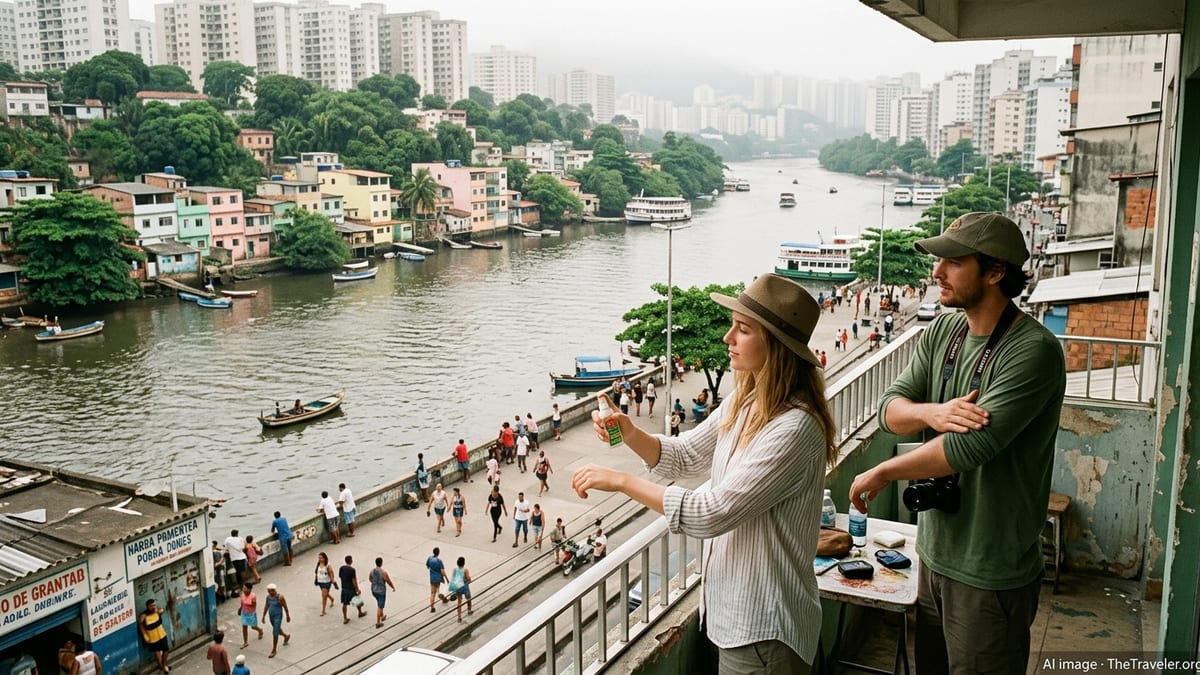
Brazil’s Record Dengue Burden Pushes It Onto CDC’s Radar
Publicly available data from regional health agencies show that Brazil has faced an unprecedented dengue burden over the past two seasons, with several states recording historic infection levels and hospitals reporting sustained pressure from severe cases. The Pan American Health Organization’s recent epidemiological updates describe 2025 as a year of intense transmission across the Americas, with Brazil consistently contributing the majority of reported infections in the region.
According to those summaries, all four dengue virus serotypes circulated in Brazil in 2025, a combination associated with larger outbreaks and a higher risk of severe disease. Analysts note that widespread circulation followed years in which certain serotypes had been relatively rare, leaving many communities with low immunity and creating conditions for explosive growth in cases.
By early 2026, regional overviews from international health bodies were already warning that Brazil’s dengue trends remained a concern, even as some states moved past their peak season. These assessments, combined with traveler case reports compiled by national surveillance systems, contributed to Brazil being highlighted within the CDC’s dengue travel alerts, which are designed to flag destinations reporting higher than expected activity.
Coverage by international outlets has also drawn attention to the broader context in Brazil, where climate variability, rapid urbanization and gaps in basic sanitation have helped expand the habitat of Aedes mosquitoes that carry dengue. For travelers, this means that dengue risk is no longer confined to a handful of tropical cities, but extends across many of the country’s most visited regions.
Maldives and Vietnam Illustrate Dengue’s Wider Tourism Impact
Brazil’s addition to the CDC’s dengue alerts places it alongside long-haul favorites that have grappled with recurring outbreaks in recent years. The CDC lists both the Maldives and Vietnam among countries with recognized dengue risk, reflecting their tropical climates and the presence of Aedes mosquitoes in and around key tourism hubs.
In the Maldives, health bulletins and local media reports for 2025 describe a clear upswing in dengue notifications compared with previous years. National surveillance figures compiled by international partners show month-on-month increases from late 2024 into 2025, with public health advisories encouraging residents and visitors to eliminate standing water and seek medical evaluation for fever, joint pain or rash.
Vietnam, meanwhile, remains one of Asia’s most closely watched dengue hotspots. Regional situation reports have documented large case numbers in multiple provinces, including major urban centers that anchor the country’s tourism and business travel. The CDC’s broader dengue risk mapping identifies Vietnam as an area of ongoing transmission, which aligns with periodic surges that strain hospitals in Ho Chi Minh City, Hanoi and several central coastal regions.
The inclusion of these destinations in U.S. travel health alerts reflects not only local case counts but also patterns observed among returning travelers. Surveillance summaries in North America and Europe have repeatedly linked travel-associated dengue infections to trips to Southeast Asia and the Indian Ocean, reinforcing the CDC’s decision to maintain enhanced advisories for countries such as Vietnam and the Maldives.
CDC Travel Notices Signal Elevated but Manageable Risk
The CDC’s dengue notices are structured to highlight countries experiencing higher than usual case numbers or reporting an unexpected rise in infections among travelers. Brazil’s appearance alongside established dengue destinations does not imply blanket travel restrictions, but it does mark a shift in the baseline risk profile for visitors planning trips in 2026.
According to CDC explanations of its travel health notice system, an alert typically signals that travelers should take extra precautions rather than avoid travel altogether. For dengue, this centers on minimizing mosquito exposure: using insect repellent that contains active ingredients such as DEET or picaridin, wearing long sleeves and long trousers in mosquito-prone areas, and choosing accommodation with air conditioning or well-maintained window screens.
Health advisories also encourage travelers to be aware of the characteristic pattern of dengue illness, which often begins with sudden high fever, severe headache, intense pain behind the eyes and profound muscle and joint aches that give rise to the term breakbone fever. Public guidance emphasizes that anyone returning from a dengue-affected destination who experiences these symptoms within two weeks of arrival should seek medical care and mention their recent travel history.
Travel medicine specialists and public health agencies further note that dengue can progress to severe disease, including plasma leakage, bleeding and organ impairment, particularly in individuals who have had dengue before. As a result, posted guidance often recommends that older adults, people with chronic conditions and pregnant travelers discuss trip plans with a clinician, especially when visiting destinations under active dengue alerts.
Climate, Urbanization and Mobility Drive a Growing Dengue Footprint
Behind the CDC’s expanding list of dengue travel alerts lies a broader global pattern. World Health Organization and regional agency reports for 2024 and 2025 describe record-breaking dengue activity across Latin America, South Asia and parts of the Pacific, with more than 13 million suspected cases reported in the Americas alone during one recent season and tens of thousands of severe infections.
Experts who study arboviruses point to a convergence of drivers. Warmer temperatures and shifting rainfall patterns have lengthened mosquito breeding seasons and allowed Aedes species to expand into new altitudes and latitudes. Rapid urban growth, often outpacing infrastructure, has created dense neighborhoods where intermittent water supply encourages household water storage, providing abundant larval habitats.
At the same time, global air travel has rebounded and continues to grow, meaning more people are moving between endemic and non-endemic regions. International analyses of imported dengue cases show steady increases in infections diagnosed in countries where the virus does not usually circulate, often linked to holidays or business trips to destinations like Brazil, Vietnam, the Maldives and other tropical locales.
Regional surveillance in the Americas also indicates that the co-circulation of multiple dengue serotypes is becoming more common, raising the risk of individuals experiencing second or third infections with different serotypes. Published assessments explain that such repeat infections are more likely to progress to severe disease, adding urgency to calls for stronger vector control and traveler awareness.
What the Alert Means for Travelers Planning Trips in 2026
For travelers, Brazil’s addition to the CDC’s dengue alerts situates the country within a broader band of tropical and subtropical destinations where informed preparation is increasingly essential. Popular Brazilian itineraries, from Rio de Janeiro and São Paulo to coastal resorts and interior eco-tourism hubs, may all intersect with areas where Aedes mosquitoes are active, particularly during and just after the rainy season.
Travel health guidance now routinely recommends that visitors to Brazil, the Maldives, Vietnam and other dengue-affected destinations review the latest CDC travel notices and national health advisories in the weeks before departure. These resources outline current activity levels, seasonal patterns and any additional recommendations, such as enhanced precautions during local outbreaks.
Prospective travelers are also being encouraged in public guidance to consider practical steps that reduce risk without derailing travel plans. This can include packing high-quality mosquito repellent, treating clothing with permethrin where appropriate, choosing lodging that offers screened or air-conditioned rooms and planning activities to avoid peak mosquito hours around dawn and dusk when feasible.
While dengue remains a serious and sometimes life-threatening illness, health agencies stress in their public materials that most infections in otherwise healthy travelers can be prevented with careful attention to mosquito protection and early recognition of symptoms. The growing list of countries under dengue travel alerts, now including Brazil alongside the Maldives and Vietnam, is less a signal to stay home than a reminder that global travel in 2026 increasingly demands a basic level of infectious disease literacy.