

More news on this day
The U.S. Centers for Disease Control and Prevention has issued a travel alert for dengue fever, warning international travelers to take extra precautions as record-breaking outbreaks in the Americas and rising case numbers in other regions keep the mosquito-borne virus circulating at high levels in early 2026.
Get the latest news straight to your inbox!
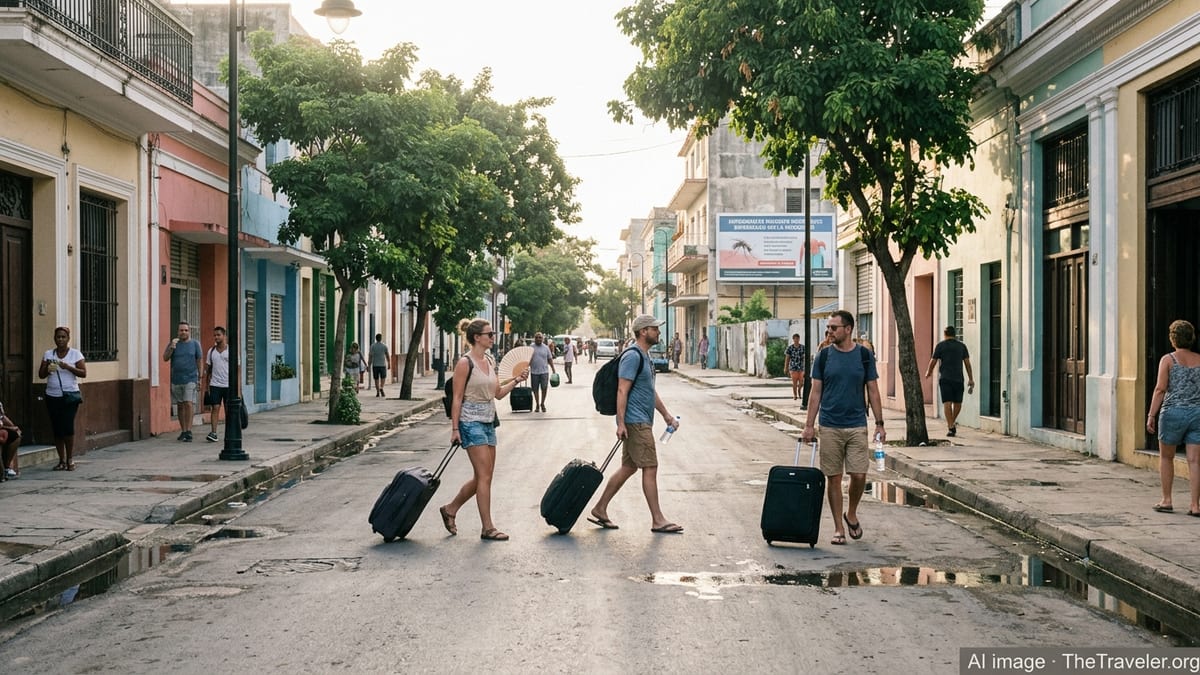
Alert highlights destinations with ongoing dengue transmission
According to CDC travel health notices updated in 2026, the alert applies broadly to destinations with ongoing dengue transmission, with particular emphasis on parts of Latin America and the Caribbean, where large outbreaks have recently occurred. Publicly available information shows that travel notices advise heightened protection against mosquito bites and prompt medical attention for fever after travel to affected regions.
The alert follows back-to-back years of intense dengue activity. Regional and global surveillance data indicate that dengue transmission remained high across much of the tropical Americas through 2024 and 2025, with several countries experiencing multiple circulating virus serotypes at the same time. That pattern increases the risk of repeat infections, which are more likely to lead to severe disease.
Travel guidance currently focuses on risk awareness rather than broad restrictions, but it signals that travelers should expect dengue to remain a concern across many popular sun and beach destinations. Health advisories note that even short trips during peak mosquito season can be enough to acquire infection.
Americas remain the epicenter after record-breaking seasons
Public health reports describe the Region of the Americas as the current epicenter of global dengue activity. A World Health Organization update on the 2024 season reported that the Americas accounted for more than 90 percent of all cases worldwide, marking the highest global dengue burden ever recorded that year.
Data compiled by the Pan American Health Organization show that the Americas registered more than 13 million suspected dengue cases in 2024, alongside thousands of deaths, surpassing all previous regional records. Subsequent regional situation reports indicate that more than 4 million suspected cases were recorded again in 2025, a lower total but still well above the average of the previous five years.
The heaviest burdens have been reported in large countries such as Brazil, Colombia and Peru, along with notable outbreaks in several Central American nations and Caribbean islands. These same areas are among the most visited destinations for North American and European tourists, which is why the CDC alert flags trips to tropical and subtropical zones of the Americas as a key concern.
Within the United States, publicly available CDC updates describe sporadic local transmission in states including Florida, Texas and California in recent seasons, as well as prolonged outbreaks in Puerto Rico and the U.S. Virgin Islands. Those patterns underline that domestic travelers to U.S. territories can also encounter dengue risk similar to that found elsewhere in the Caribbean.
Dengue risk extends to Asia, Africa and parts of Europe
While the Americas dominate current case counts, global monitoring indicates that dengue remains widespread in many parts of South and Southeast Asia, as well as in selected areas of Africa and the Eastern Mediterranean. Countries in these regions report recurrent seasonal surges, sometimes overlapping with other mosquito-borne infections such as chikungunya and Zika.
A recent overview from the European Centre for Disease Prevention and Control notes millions of dengue cases and more than a thousand related deaths reported from 90 countries across the Americas, South-East Asia, Western Pacific, Eastern Mediterranean and African regions over a 12-month period. Imported infections in travelers continue to be documented in Europe, reflecting the breadth of the virus’s global reach.
Locally acquired dengue infections have also been detected in parts of southern Europe in recent summers, although case numbers there remain far lower than in tropical regions. Public health agencies describe these events as limited but suggest that the combination of warming temperatures and established mosquito populations could allow more frequent transmission episodes in the future.
For travelers, this means that dengue risk is no longer confined to a short list of destinations. Instead, the virus now appears on travel health maps across much of the world’s tropical belt, with occasional spillover into temperate zones during hot months.
Why dengue is spreading: climate, mosquitoes and travel
International health agencies link the expansion and intensification of dengue primarily to the spread of Aedes mosquitoes, rapid urbanization, climate variability and high levels of mobility. These mosquitoes, which thrive in warm, humid environments and breed in small collections of standing water, now inhabit more regions than in previous decades.
Climate-related changes, including longer warm seasons and more frequent extreme rainfall events, create favorable conditions for mosquito breeding and virus transmission. Urban growth without adequate water and waste management contributes additional breeding sites, particularly in densely populated neighborhoods where people and mosquitoes are in close contact.
At the same time, commercial air travel quickly moves infected people between regions. World Health Organization summaries emphasize that viremic travelers can introduce dengue into new areas where competent mosquitoes are already present, sometimes triggering local transmission in places that were previously unaffected or only intermittently affected.
These overlapping factors help explain why dengue seasons have become more intense and less predictable, prompting agencies such as the CDC to elevate communication with travelers about the evolving risk landscape.
What travelers are being urged to do now
The current CDC alert does not call for people to cancel trips, but it underscores the need for travelers to take dengue seriously when planning visits to affected countries and territories. Travel health advice stresses meticulous mosquito bite prevention: using insect repellent containing active ingredients such as DEET or picaridin, choosing accommodations with air conditioning or screened windows, and wearing long sleeves and pants in areas with heavy mosquito activity.
Because dengue has an incubation period of several days, travelers returning from risk areas are encouraged to watch for symptoms such as high fever, severe headache, pain behind the eyes, muscle and joint pain, nausea or rash during the two weeks after their trip. Guidance notes that anyone developing a fever after travel to an affected region should seek medical evaluation and mention their recent destinations.
Some countries in Latin America have begun introducing dengue vaccines into their public health programs, but global agencies caution that vaccination alone will not quickly curb transmission and that products are not yet widely available or routinely recommended for most international travelers. As a result, vector control and personal protection remain the primary tools for reducing risk.
With dengue transmission expected to persist at elevated levels across parts of the Americas and other tropical regions in 2026, the CDC alert signals that the virus will remain an important consideration for international travel planning, particularly during local rainy and peak mosquito seasons.