

More news on this day
The Centers for Disease Control and Prevention has issued a global travel alert for dengue fever, advising Americans to check destination risk levels and take strict mosquito-bite precautions as the virus continues to surge across popular vacation regions in the Americas, Asia, and beyond.
Get the latest news straight to your inbox!
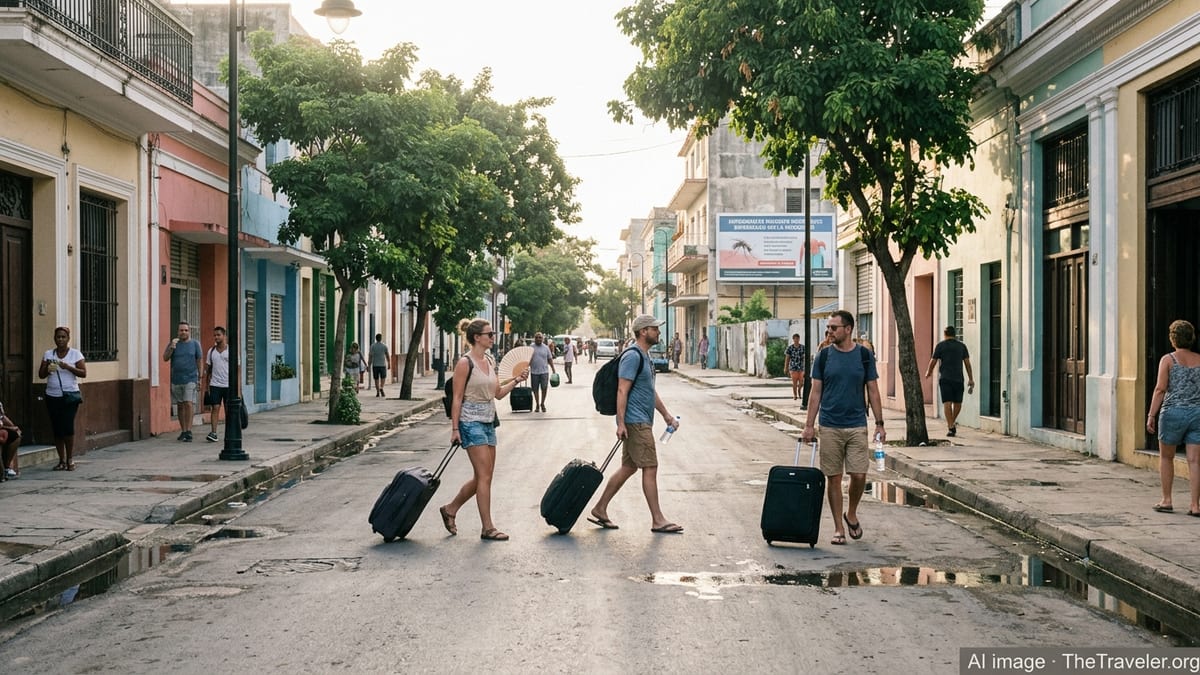
Global dengue alert comes amid record-breaking seasons
The CDC recently updated its travel notices to include a Level 1 Global Dengue alert, reflecting elevated dengue activity in multiple regions at the start of 2026. A Level 1 notice is the agency’s broadest advisory category and signals that travelers should practice usual precautions while recognizing higher than expected transmission in affected destinations. According to the agency’s overview of areas with dengue risk, large parts of Latin America, the Caribbean, Southeast Asia, and the Western Pacific remain in active transmission cycles.
The global alert follows an intense period of dengue activity. Publicly available data compiled by international health agencies indicate that 2024 marked an unprecedented year, with more than 13 million suspected cases reported in the Americas alone, far exceeding previous regional records. While preliminary figures for 2025 show a decline from those historic highs, the Pan American Health Organization reports that millions of infections continued to occur across the hemisphere, keeping pressure on health systems and sustaining a high baseline of transmission into 2026.
Worldwide surveillance summaries from the World Health Organization describe dengue as one of the fastest-growing mosquito-borne threats, with endemic circulation now established across most tropical and many subtropical regions. Recent reporting highlights not only major epidemics in the Americas, but also sizeable outbreaks in Southeast Asia, recurrent epidemics in parts of the Eastern Mediterranean, and sporadic local transmission in southern Europe during warmer months.
Hotspots in the Americas: Brazil, Argentina, Mexico and Caribbean destinations
The Americas remain the epicenter of the current dengue upsurge, and the CDC alert draws heavily on risk assessments from regional partners. Epidemiological updates from the Pan American Health Organization describe how Brazil, Argentina, Colombia, Mexico, Peru, Paraguay, and several Central American countries have accounted for the majority of infections and deaths in recent seasons. Brazil alone has recorded millions of cases in successive years, while Argentina and Peru have faced the largest dengue epidemics in their modern history.
Travel-focused reporting notes that popular sun and beach destinations have been repeatedly affected. The Caribbean has seen sharp increases, with islands such as Puerto Rico and the U.S. Virgin Islands experiencing prolonged outbreak conditions. Local health bulletins from Puerto Rico documented thousands of cases in 2024, many requiring hospitalization, and outbreak declarations have remained in place into subsequent seasons. Other Caribbean territories have reported multi-fold jumps in incidence compared with previous years.
North of the tropics, parts of the continental United States have also reported impacts linked to regional spread. State surveillance in Florida and other Gulf Coast areas continues to confirm travel-associated cases each season, along with small clusters of locally acquired infections when climatic conditions support Aedes mosquito populations. While these localized events have not led to broad CDC travel restrictions within the mainland United States, they underscore how regional dengue activity in the Americas can influence risk profiles for returning travelers and communities at home.
Asia, Africa and Europe see expanding transmission zones
The CDC’s global alert also points to elevated dengue risk in several Asian and African countries that draw large numbers of U.S. travelers. WHO situation updates describe extensive outbreaks in nations such as Indonesia and India, where monsoon-related rainfall patterns and dense urban populations create favorable conditions for year-round or highly seasonal transmission. Other Southeast Asian destinations, including parts of Thailand, Vietnam, Malaysia, and the Philippines, regularly report substantial caseloads and periodic surges.
In Africa, recent summaries from regional public health networks document confirmed dengue activity in countries such as Mali, Mauritania, and Senegal, adding to a longer list of settings where Aedes mosquitoes and dengue viruses are now firmly established. Although total numbers there remain lower than in the Americas and Southeast Asia, experts note that expanding vector habitats, rapid urbanization, and gaps in surveillance can mask the true scope of transmission.
Europe continues to face sporadic autochthonous dengue episodes, primarily in southern countries where Aedes albopictus and, in some areas, Aedes aegypti have become established. European disease monitoring agencies report limited local transmission events most summers, particularly along Mediterranean coastal regions. While overall risk for short-term visitors remains comparatively low, these developments illustrate how dengue is no longer confined to traditional tropical destinations, a trend reflected in the CDC’s decision to frame its alert in global terms.
How CDC is mapping travel risk and what travelers should watch
The new dengue alert is paired with refreshed CDC maps that categorize destinations by transmission intensity and recent traveler case reports. The agency’s areas-with-risk portal now groups locations by factors such as current case counts, historic transmission patterns, and the number of infections detected among returning U.S. travelers in the previous three months. As of early March 2026, no destinations met the threshold for the highest transmission category combined with a significant number of recent traveler cases, but numerous countries were still flagged for ongoing or elevated activity.
Travel health specialists emphasize that Level 1 notices like the current global dengue alert are not intended to discourage trips outright. Instead, they are designed to spur travelers to seek pre-trip advice, review destination-specific risk maps, and adopt a more cautious approach to bite prevention and illness monitoring. Analysts note that the CDC is increasingly incorporating traveler surveillance data, such as cases reported to the ArboNET system, into its decision-making, allowing the agency to identify emerging hotspots even when local reporting from destination countries is delayed or incomplete.
Recent research published in a CDC infectious disease journal examined more than a decade of travel-associated dengue cases among U.S. residents, covering trips to 128 countries. The study concluded that routine analysis of traveler infections can help refine where and when advisories are issued, providing a more nuanced picture of risk for people planning international vacations, business travel, or family visits.
Practical steps for travelers heading into peak mosquito seasons
Against this backdrop, the dengue alert places renewed focus on practical protection measures. Publicly available CDC guidance stresses that there is no widely available vaccine or specific antiviral treatment for most travelers, so prevention hinges on avoiding mosquito bites and recognizing symptoms early. Recommendations include using insect repellents with ingredients such as DEET, picaridin, or oil of lemon eucalyptus; wearing long sleeves and long pants in mosquito-prone areas; staying in accommodations with air conditioning or effective window and door screens; and using bed nets when appropriate.
Health advisories also encourage travelers to pay attention to rainfall and heat patterns at their destinations, because dengue transmission typically intensifies during and after rainy seasons when Aedes mosquitoes breed in standing water. Urban neighborhoods with inconsistent water and waste management may be at especially high risk. Travelers planning extended stays, outdoor work, or visits with friends and relatives in densely populated cities are often advised to be particularly vigilant.
Finally, returning travelers are urged to seek medical care promptly if they develop fever, headache, muscle and joint pain, nausea, or rash within two weeks of visiting an area with dengue activity. Public guidance highlights that early clinical evaluation and supportive care can reduce the risk of severe disease, while timely diagnosis helps health departments track imported cases and, when necessary, intensify local mosquito control. With the new global alert in place, health agencies and travel experts alike are urging would-be vacationers to factor dengue risk into their planning for the upcoming spring and summer travel seasons.