

More news on this day
Cebu Pacific is celebrating its 30th anniversary with a fresh round of headline-grabbing piso sale offers, unleashing ultra-low base fares that are once again igniting a booking rush among budget-conscious travelers across the Philippines and the wider region.
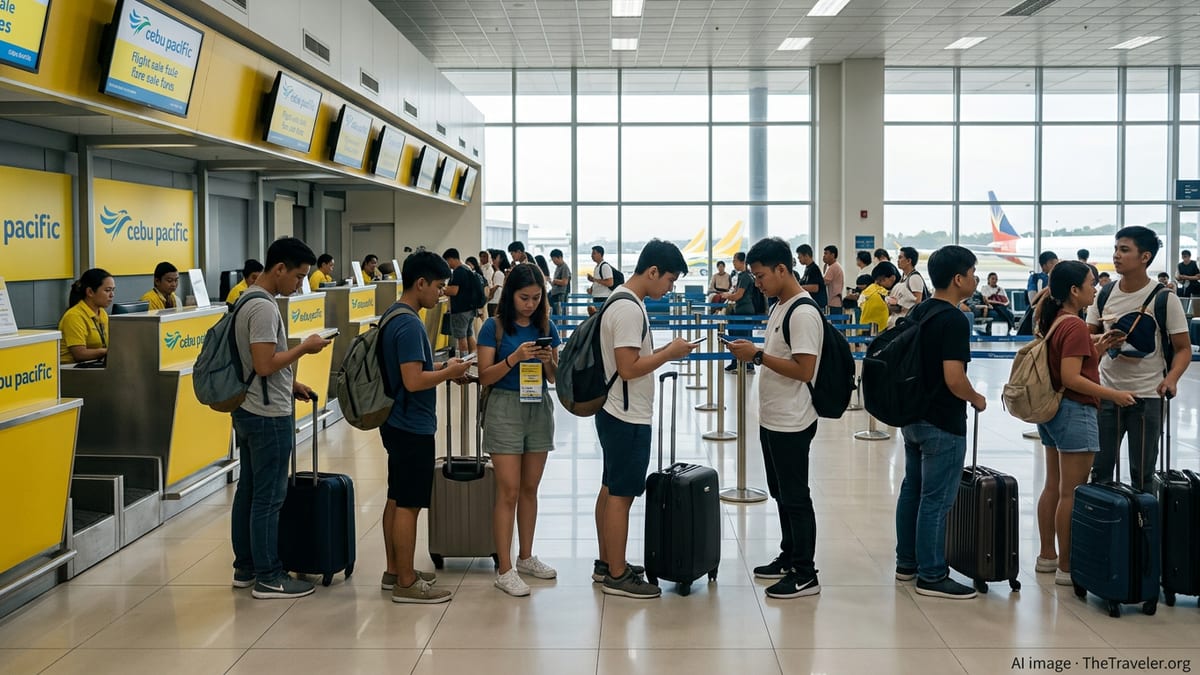
Anniversary Promo Targets Price-Sensitive Travelers
The latest anniversary campaign sees Cebu Pacific revive its signature piso fare concept, with select domestic and international routes advertised at a base fare of just 1 Philippine peso before taxes and fees. The promotion coincides with the carrier’s 30th year in operation, a milestone the airline is using to reinforce its positioning as the country’s leading low-cost carrier.
While only a limited number of seats are available at the headline 1 peso base fare, the broader sale includes a wider range of discounted tickets at still deeply reduced prices. Industry observers note that such anniversary-driven promos have become a key part of Cebu Pacific’s brand identity, building anticipation among travelers who now routinely watch for March sale announcements.
Travel periods for the anniversary offers generally cover much of the 2026 off-peak and shoulder seasons, encouraging passengers to plan ahead for summer breaks, long weekends, and regional getaways. By stretching the travel window over several months, the airline is also able to better manage demand across its domestic and international network.
The current piso sale sits alongside complementary 30 peso and other low-fare anniversary deals circulating across independent fare-tracking sites and travel blogs, which collectively highlight how aggressive price promotions remain central to Cebu Pacific’s growth strategy in a competitive Southeast Asian market.
How the Piso Sale Works Behind the Headlines
Despite the excitement generated by the 1 peso base fare wording, aviation analysts and consumer advocates are quick to point out that piso sale tickets are not equivalent to 1 peso all-in flights. As with most low-cost carrier models, the promotional base fare is only one component of the total price, which also includes taxes, fuel surcharges, terminal fees, and other mandatory charges.
Seasoned travelers emphasize that the real value of the promo depends on the final all-in fare displayed at checkout, which can climb into the low thousands of pesos for popular routes, even when a piso base fare is selected. Additional ancillaries such as baggage allowance, seat selection, and onboard meals can further increase the total bill if passengers opt in.
Nonetheless, the piso sale structure remains highly attractive for flexible travelers prepared to fly on less popular dates or routes. Those able to shift midweek, shoulder-season, or red-eye departures often find that the combination of a low base fare and modest surcharges still yields material savings compared to regular published prices.
Across social media and online forums, experienced flyers are already sharing tips on optimizing searches during the anniversary sale, such as trying alternate origins or nearby airports, adjusting dates by a day or two, and booking separate one-way segments to unlock lower fare buckets.
Digital Rush as Seats Vanish Within Minutes
As with past iterations of the piso sale, the opening hours of the 30th anniversary promo triggered a familiar digital scramble. Travelers reported logging in at the stroke of midnight or early morning to secure the most coveted combinations of dates and destinations, particularly on leisure favorites such as Cebu, Boracay, Palawan, Japan, South Korea, and select Southeast Asian cities.
Seat availability at the lowest base fares is typically highly constrained, and many users recount seeing piso fares appear on the calendar interface only to vanish moments later as other customers complete bookings. Some would-be buyers also report temporary payment glitches and slow loading times during the heaviest traffic periods, a recurring challenge for airlines running high-profile seat sales.
Despite these frustrations, Cebu Pacific’s anniversary campaigns consistently drive a surge in web traffic and app engagement, effectively locking in forward bookings months in advance. This provides the airline with valuable cash flow and demand visibility, while travelers who successfully navigate the online rush gain early access to some of the lowest fares of the year.
Third-party travel platforms and local fare-tracking blogs have joined the rush by pushing real-time sale alerts, sample itineraries, and booking walkthroughs, further amplifying awareness of the promo beyond Cebu Pacific’s own marketing channels.
Budget Travel Boom and Competitive Pressure
The piso sale arrives at a time when demand for affordable regional travel is rebounding, fueled by a growing middle class and pent-up appetite for leisure trips across Asia. Analysts note that Cebu Pacific’s 30th anniversary promo is not just a celebration but also a signal to competitors that the airline intends to defend its price-leadership position aggressively.
Other carriers serving the Philippine market have recently responded with their own discounted fares and limited-time campaigns, looking to capture travelers who might miss out on the most desirable piso sale seats. The result is a more dynamic fare environment, where vigilant customers can often piece together multi-carrier itineraries at significantly lower total costs than in previous years.
For tourism boards and local hospitality operators, Cebu Pacific’s anniversary sale is a welcome development. Deeply discounted airfares have historically translated into higher visitor arrivals for key destinations, filling hotels and tours during months that might otherwise be softer. Industry groups are closely watching booking trends tied to the promo period as an indicator of how strong the 2026 travel season may become.
At the same time, analysts caution that sustained reliance on extreme discounting could pressure airline margins if cost inflation outpaces revenue gains. Cebu Pacific’s ability to maintain operational efficiency, maximize aircraft utilization, and upsell ancillary services will be closely scrutinized in the wake of its anniversary initiatives.
Tips for Travelers Looking to Maximize the Sale
For travelers hoping to take advantage of Cebu Pacific’s 30th anniversary piso sale, preparation remains key. Frequent flyers recommend setting up an account and saving passenger details in advance, so that once the sale goes live, bookings can be completed in as few clicks as possible before low fare buckets are exhausted.
Experts advise targeting travel dates outside of peak holidays, long weekends, and school breaks, as these periods are less likely to feature piso-level availability. Searching from multiple devices, being open to alternative airports, and considering red-eye or very early departures can also improve the odds of finding attractive fares.
Another recurring piece of guidance is to stay realistic about total trip costs. Even with dramatically reduced base fares, travelers still need to budget for accommodation, transfers, meals, and activities, along with the taxes and fees embedded in the air ticket. Comparing all-in fares across dates, routes, and even airlines helps ensure that the final itinerary truly represents good value.
With the 30th anniversary celebration underway, Cebu Pacific’s piso sale once again underscores how influential aggressive pricing has become in shaping travel decisions in and around the Philippines. For those willing to plan ahead, stay flexible, and move quickly online, the carrier’s milestone promo offers another opportunity to turn long-postponed trips into booked itineraries.