

More news on this day
Cebu Pacific is set to reshape budget travel between the Philippines and Saudi Arabia with the relaunch of nonstop Manila to Riyadh flights on March 1, 2026, using high-capacity Airbus A330-900neo aircraft and headline-grabbing ultra-low base fares aimed at price-sensitive overseas Filipino workers and leisure travelers.
Get the latest news straight to your inbox!
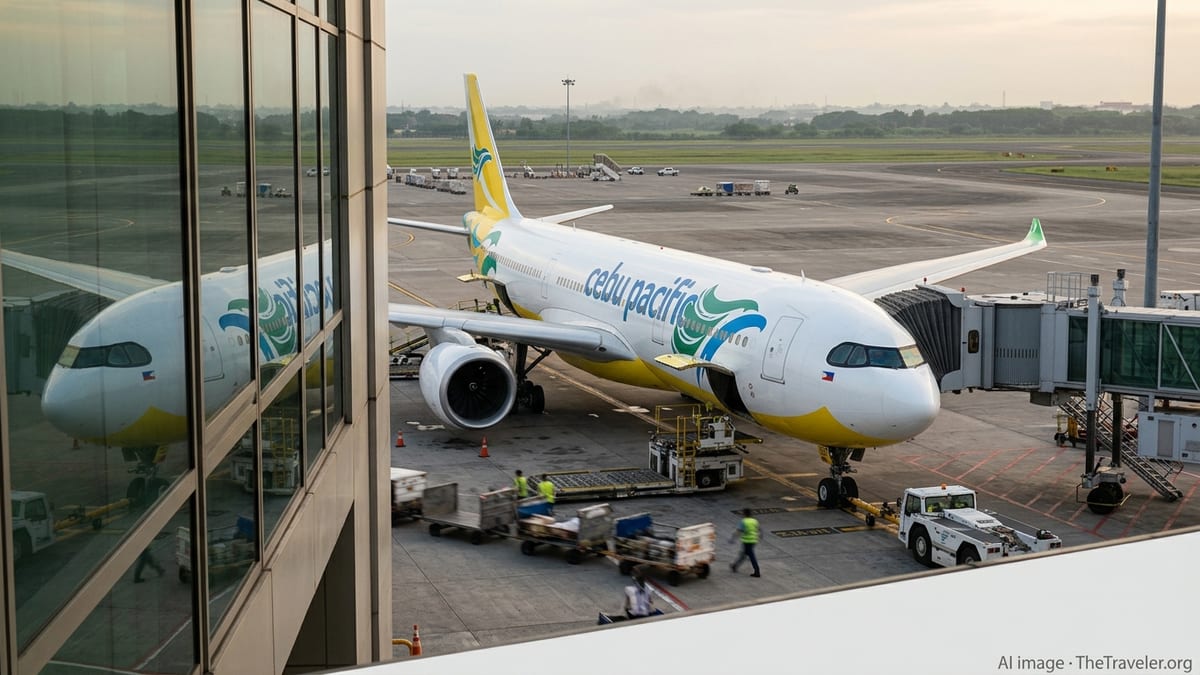
High-Capacity A330-900neo Deployed on Middle East Trunk Route
Publicly available fleet information shows that Cebu Pacific’s A330-900neo widebodies are configured in a dense all-economy layout of around 459 seats, one of the highest seat counts for this aircraft type. The airline previously indicated that the A330neo would be used on a mix of regional and longer-range services, including Middle East routes, as part of its widebody modernization program.
Industry data indicates that Cebu Pacific has been gradually transitioning from older A330-300s to newer A330-900neos, which offer lower fuel burn and emissions per seat. Deploying this aircraft on the roughly nine-hour Manila–Riyadh sector allows the carrier to spread operating costs over more seats, supporting the aggressive fare levels for which it is known.
A high-density configuration typically means tighter legroom and fewer frills than full-service competitors, but it also enables significantly lower base fares. For a market dominated by migrant worker traffic and price-driven travelers, Cebu Pacific is banking on volume and ancillary revenue to make the route viable against established Gulf and Philippine flag carriers.
The A330-900neo’s extended range and efficiency are expected to give Cebu Pacific more flexibility to maintain nonstop operations year-round, even during periods of headwinds or high temperatures that can constrain performance on long-haul flights from Manila.
Manila–Riyadh Nonstop Returns After Multi-Year Gap
According to publicly shared schedules, Cebu Pacific last served the Manila–Riyadh market in 2017, using earlier-generation A330 aircraft before withdrawing amid intense competition and shifting network priorities. The new nonstop service resumes on March 1, 2026 from Manila, with return flights from Riyadh beginning March 2, 2026.
Details circulated through aviation and traveler communities indicate that flight 5J740 will depart Manila’s Ninoy Aquino International Airport at 10:50 p.m. local time on Mondays, Wednesdays, Fridays, and Sundays, arriving in Riyadh at 4:25 a.m. the following day. The return sector, 5J741, is scheduled to leave King Khalid International Airport at 5:55 a.m. on Mondays, Tuesdays, Thursdays, and Saturdays, arriving back in Manila at 8:45 p.m.
This schedule places Cebu Pacific squarely in the overnight departure pattern common on Middle East routes, allowing passengers to maximize rest time in flight and connect to daytime ground transport on arrival. The four-times-weekly frequency balances capacity with demand as the airline tests the market after its long absence from Riyadh.
The relaunch expands Cebu Pacific’s Middle East footprint, complementing existing links from the Philippines to key labor and family markets in the region. It also strengthens Manila’s position as the primary hub for Filipino workers traveling to and from Saudi Arabia, one of the largest overseas Filipino communities worldwide.
Ultra-Low Base Fares Target Overseas Workers and Budget Travelers
Cebu Pacific is widely associated with headline promotional fares reaching single- or double-digit Philippine peso levels on select routes, especially during limited-time seat sales. Publicly available promotional materials across its network emphasize that such ultra-low prices apply to base fares only and exclude taxes, fuel surcharges, and other mandatory fees.
Industry observers expect the Manila–Riyadh launch to follow a similar pattern, with introductory base fares set well below prevailing levels offered by full-service rivals on the route. While total ticket costs rise once charges and optional add-ons are included, the underlying pricing structure remains significantly lower than many competitors, particularly when travelers forego extras such as checked baggage, seat selection, or in-flight meals.
The focus on ultra-low base fares is designed to appeal to overseas Filipino workers who often book far in advance and are highly sensitive to even modest price differences. For many, the savings on an economy ticket can translate into more remittances sent home or additional trips over the course of a contract.
Travel forums and consumer discussions frequently note that Cebu Pacific’s low-cost model requires passengers to be attentive to the breakdown between base fare and surcharges. For those willing to travel light and flexible, however, the Manila–Riyadh route could become one of the most affordable long-haul options linking the Philippines and the Middle East.
Competitive Pressure on Gulf and Philippine Rivals
The return of a Philippine low-cost carrier on the Manila–Riyadh sector introduces fresh pricing pressure in a market traditionally dominated by full-service airlines based in both the Philippines and the Gulf. These carriers typically offer multi-class cabins, larger baggage allowances, and inclusive meals, but at fare levels that reflect higher costs and service standards.
By operating a single-class, high-density A330-900neo, Cebu Pacific can undercut many of these rivals on entry-level fares while stimulating demand from travelers who might otherwise fly less frequently or rely on connecting itineraries via other hubs. The move also adds direct competition for carriers that operate one-stop services through Gulf hubs to connect Filipino workers onward to other cities in Saudi Arabia and the wider region.
Analysts tracking airline capacity in the Middle East corridor note that additional low-cost capacity can prompt fare adjustments across the market, especially during off-peak seasons. Even travelers who continue to choose full-service airlines may benefit from more competitive pricing and promotional activity as airlines respond to Cebu Pacific’s presence.
At the same time, Cebu Pacific’s strategy carries the risks inherent to long-haul low-cost operations, including exposure to fuel price swings, currency fluctuations, and seasonal demand patterns. The airline’s ability to keep load factors high and ancillaries robust will be key to sustaining the route against larger, more diversified competitors.
Network Expansion Aligns With Fleet Renewal and Demand Recovery
The Manila–Riyadh relaunch aligns with Cebu Pacific’s broader fleet renewal program, which centers on new-generation Airbus narrowbody and widebody aircraft. Public information from the manufacturer confirms multiple A330neo orders for the airline, alongside A320neo and A321neo jets that are gradually replacing older models.
These aircraft deliver double-digit improvements in fuel efficiency per seat and significant reductions in noise, supporting both cost management and environmental targets. For long-haul markets such as Riyadh, such efficiencies are particularly important to sustaining ultra-low fares without compromising economic viability.
The new route also reflects a continued rebound in international travel demand from the Philippines as pandemic-era restrictions recede into the background. Data from tourism and aviation bodies across Asia indicate a strong recovery in outbound travel, led in part by migrant worker flows and visiting-friends-and-relatives segments that were heavily constrained for several years.
With more Filipinos again able to visit family or return home more frequently, Cebu Pacific’s decision to restore a nonstop Riyadh connection using its latest widebody aircraft signals confidence in the long-term strength of Middle East traffic and underscores the role of low-cost carriers in shaping the next phase of transnational mobility between the Philippines and Saudi Arabia.