

More news on this day
Cebu Pacific is rolling out aggressive flight cuts and higher fares as the escalating Middle East crisis sends global oil and jet fuel prices soaring, putting renewed pressure on Philippine carriers already operating on thin margins.
Get the latest news straight to your inbox!
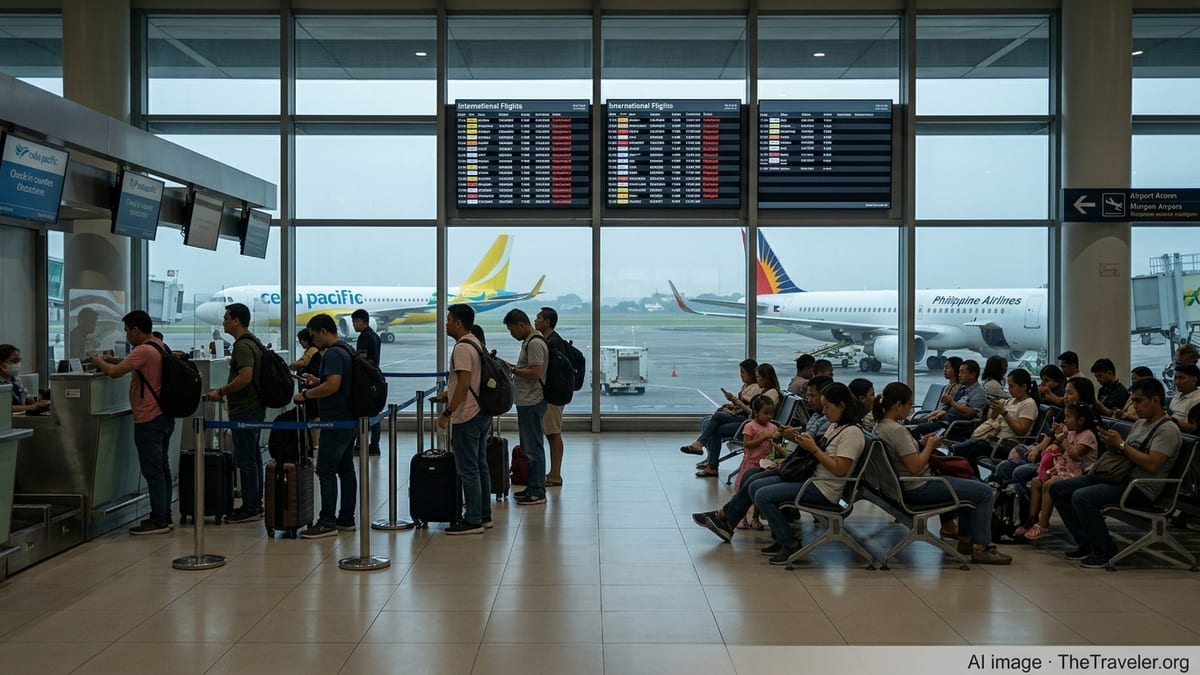
Middle East Turmoil Triggers Fresh Oil and Jet Fuel Shock
The latest flare-up in the Middle East, including attacks on key oil and gas infrastructure and disruptions around the Strait of Hormuz, has sharply constrained energy flows and pushed benchmark crude prices back into triple-digit territory. Industry analyses describe the current disruption as one of the most severe shocks to global oil supply in decades, with jet fuel among the most affected refined products.
Reports from international energy and aviation bodies indicate that closures or restrictions in critical Gulf shipping lanes and airspace have upended normal tanker routes and added war-risk insurance premiums, driving up the delivered cost of fuel worldwide. As refiners struggle to secure appropriate crude grades, the price of kerosene-based products such as jet fuel has climbed even faster than crude benchmarks, eroding airlines’ already narrow profit margins.
The Philippines, a net energy importer that relies on global markets for aviation fuel, has found itself exposed to these swings. Carriers serving long-haul routes, particularly those connecting Southeast Asia to the Middle East and Europe, face the toughest cost pressures as detours around conflict zones lengthen flight times and burn rates.
Cebu Pacific Announces Network Cuts and Higher Fares
Against this backdrop, Cebu Pacific has announced what it describes in public advisories as temporary network adjustments in response to the Middle East crisis. The move includes reductions in flight frequencies, selected route suspensions and cancellations across its international and domestic network, as the airline seeks to preserve cash and protect operational reliability amid volatile fuel costs.
Travel advisories shared through Cebu Pacific’s official channels and reposted on local travel forums outline cuts that are concentrated on fuel-intensive services and routes affected by overflight restrictions. Some Middle East and connecting services are being trimmed, while select regional flights that require longer reroutes around closed airspace are also being reviewed.
Alongside schedule changes, Cebu Pacific is leaning more heavily on higher fares and surcharges to offset its rising fuel bill. Philippine regulators have allowed airlines to move up the passenger fuel surcharge scale for tickets booked during the first half of April, a change that could add thousands of pesos to the cost of some long-haul itineraries. For Cebu Pacific’s price-sensitive customer base, this marks a sharp reversal from the heavily promoted low-fare sales that dominated early-year marketing.
Philippine Airlines Also Feels the Fuel Cost Squeeze
Flag carrier Philippine Airlines, which operates a more long-haul heavy network than its low-cost rival, is also feeling the impact of the oil shock. Publicly available fare data and advisories on surcharges show that PAL is passing on part of the fuel cost spike through higher ticket prices, particularly on intercontinental and Middle East routes that are most directly exposed to disruptions.
Industry commentary suggests that PAL faces a tougher balancing act, as premium cabin demand and long-haul connectivity are core to its business model, leaving it less room to simply drop unprofitable routes. Instead, the carrier is expected to rely on a combination of selective capacity trimming, fare adjustments and tighter fuel management to navigate the crisis.
Both Cebu Pacific and Philippine Airlines operate in a market where travelers are highly price-sensitive and still rebuilding travel budgets after the pandemic. Analysts tracking Asia-Pacific aviation note that while larger global airlines may have more sophisticated fuel hedging programs and diversified networks, Philippine carriers’ exposure to spot fuel prices makes them particularly vulnerable when supply shocks occur.
Fuel Surcharges and Rerouting Drive Up Ticket Prices
The most visible impact for passengers is coming through ticket prices. Under the Philippines’ regulated fuel surcharge framework, airlines have been cleared to raise surcharges to higher levels for tickets issued in early April, reflecting the surge in average jet fuel prices over recent weeks. For long-distance international flights, especially to the Middle East and beyond, the additional charges can reach several thousand pesos per passenger.
Along with higher surcharges, rerouting around conflict zones and closed airspace is further pushing up operating costs. Published aviation analyses of global traffic patterns show that flights linking Asia to Europe and Africa are now taking longer paths to avoid sensitive corridors, adding extra flight time and fuel burn. Even if a particular Philippine route does not pass directly over the conflict area, knock-on effects in aircraft rotations and hub connectivity can still add expense.
Passengers booking from April onward are being advised in public advisories and travel agency notices to factor these higher surcharges and potential schedule changes into their plans. Flexible travel dates, off-peak departures and early booking are being promoted as ways to soften the blow of rising base fares and add-ons.
Tourism Outlook: Strong Demand Meets Capacity Constraints
The timing of the fuel shock is particularly challenging for the Philippines, which has been counting on a robust tourism rebound in 2026. Government data through early March pointed to improving visitor arrivals and strong outbound demand, supported by a recovering domestic economy and a weaker peso that encouraged Filipinos to book promotions earlier in the year.
Now, capacity reductions by Cebu Pacific and a more cautious stance by Philippine Airlines risk tightening available seats just as demand is firming. Travel industry observers warn that if elevated oil prices persist into the peak summer and holiday periods, Philippine travelers could face a combination of fuller flights, fewer schedule options and structurally higher fares compared with 2025.
For inbound tourism, particularly from the Middle East and Europe, route adjustments and higher long-haul ticket costs could slow momentum. Tour operators report that package pricing is under review as air costs rise, and some are shifting marketing focus to regional markets and shorter-haul trips that are less exposed to the most expensive fuel-driven surcharges.
While both Cebu Pacific and Philippine Airlines describe current measures as temporary and linked to the extraordinary nature of the Middle East crisis, the episode underscores how quickly geopolitical tensions can ripple through to airfares and route maps. For travelers in and out of the Philippines, the next few months are likely to test just how much more they are willing to pay to keep flying in a world of volatile energy prices.