

More news on this day
Celestyal Cruises has canceled more itineraries for its Celestyal Discovery ship in the Eastern Mediterranean and wider region as the Middle East conflict continues to disrupt operations, adding new uncertainty to the outlook for cruise tourism growth.
Get the latest news straight to your inbox!
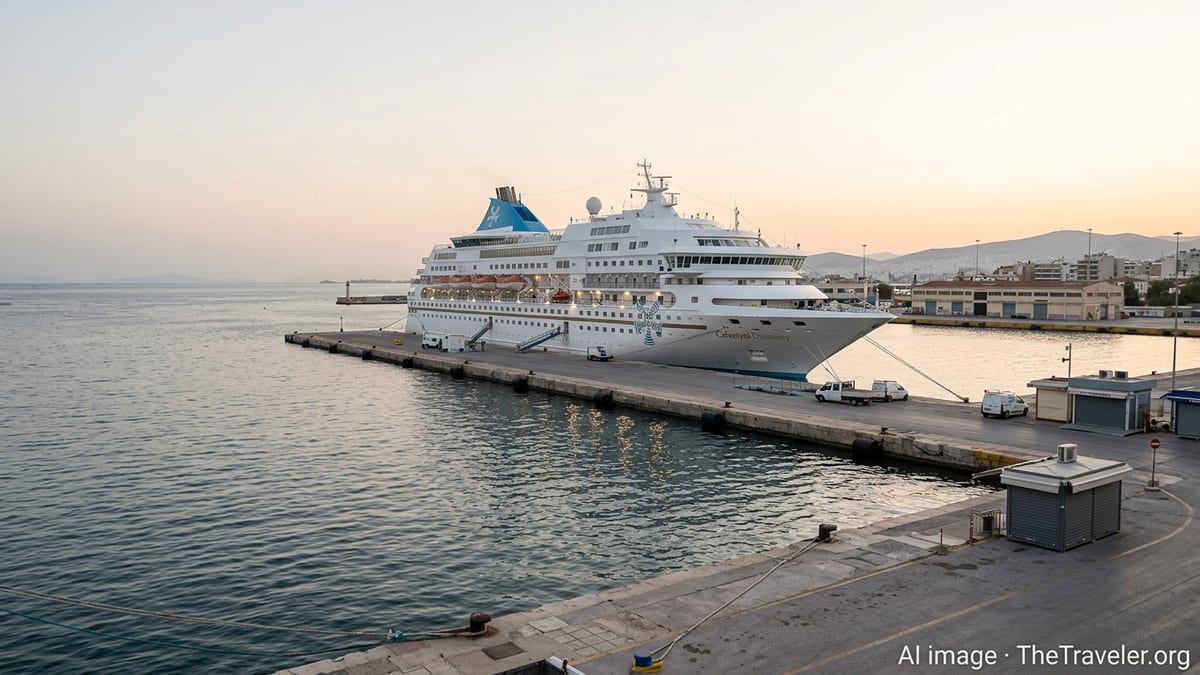
New Wave of Cancellations Hits Celestyal Discovery
Recent updates from Celestyal Cruises and industry coverage show that the line has halted a series of upcoming voyages involving the Celestyal Discovery, including early-season Mediterranean departures that were expected to operate from late March 2026. The ship, which had been slated to run short "Iconic" Greek Islands and Eastern Mediterranean itineraries, is facing further schedule disruption as geopolitical tensions spill over into the cruise market.
According to publicly available information, Celestyal has already canceled two Iconic Aegean sailings that were due to be operated by Celestyal Discovery, citing the evolving situation in the Middle East. Reports indicate that these cancellations affect short three- and four-night itineraries that typically serve as an important entry point for international travelers seeking compact Eastern Mediterranean cruises.
The decision follows an earlier move by the company to call off remaining Arabian Gulf sailings for both Celestyal Discovery and sister ship Celestyal Journey for the 2025 to 2026 season. That cut short the deployment of the vessels in the Gulf and has created a knock-on effect for the timing and reliability of their return to Athens for the Mediterranean summer schedule.
Industry tracking shows that with both ships still impacted by regional disruptions, the restart dates for Celestyal Discovery’s Eastern Mediterranean program remain subject to change. The uncertainty is complicating travel plans for guests who booked shoulder-season departures expecting stable conditions in Greece and neighboring destinations.
Middle East Conflict Ripples Into the Eastern Mediterranean
The latest cancellations are directly linked to the widening conflict involving Iran, Israel, the United States, and neighboring states, which has affected key sea lanes used by cruise operators. Published coverage notes that Celestyal’s vessels became caught up in the broader disruption across the Gulf region as hostilities escalated, forcing cruise lines to reassess the safety and viability of itineraries that connect the Middle East with the Eastern Mediterranean.
While Celestyal Discovery’s primary summer home is Athens, its schedule has been closely intertwined with winter operations in the Arabian Gulf. Reports indicate that once the company cut short the Arabian Gulf season, the planned repositioning of Celestyal Discovery back to Greece was no longer straightforward, with the timing influenced by regional security assessments, airlift options for guests, and port availability.
Travel industry analysts point out that even partial interruptions to a ship’s deployment can have a cascading effect on multiple regions. In Celestyal’s case, the same vessel that brings thousands of passengers to Gulf ports such as Dubai, Doha, and Abu Dhabi in winter also supplies steady tourist flows into classic Aegean and Eastern Mediterranean destinations during spring and summer.
The conflict has also drawn attention to the vulnerability of cross-regional cruise networks that rely on safe passage through chokepoints and politically sensitive waters. As operators reroute or suspend voyages, ports that had invested in cruise infrastructure are seeing heavily reduced calls, and some ships remain temporarily immobilized while new plans are worked out.
Impact on Cruise Tourism Growth in the Eastern Mediterranean
For destinations around the Aegean and Eastern Mediterranean, Celestyal’s expanded cancellations come at a time when local authorities and tourism businesses were counting on rising cruise arrivals to support broader post-pandemic recovery. Celestyal Discovery, a relatively new addition to the fleet after being acquired and refurbished in 2024, had been positioned as a key growth driver with dense, port-intensive itineraries.
Trade publications have highlighted that the loss of short spring sailings can be particularly damaging, as these itineraries typically deliver high-spend passengers at the very start of the season. Shops, tour operators, and hospitality providers in port cities such as Piraeus, the Greek islands, and nearby Eastern Mediterranean hubs often depend on these early calls to build momentum heading into the busier summer months.
Market observers note that Celestyal has been part of a broader trend in which cruise lines expand deployment in the Eastern Mediterranean, attracted by strong demand for cultural and island-hopping itineraries. The latest cancellations, however, underscore how quickly that growth trajectory can be reversed when security risks spike in neighboring regions that share air and sea corridors with Europe.
Although some Eastern Mediterranean ports remain open and continue to welcome ships from other brands, reduced capacity from a home-grown regional player like Celestyal is expected to temper overall volume projections for 2026. Forecasts that had assumed uninterrupted growth may now need to be revised to account for potential schedule reshuffles and lingering traveler caution.
Repositioning Plans and Passenger Options
Celestyal’s publicly posted travel updates indicate that the company intends, subject to operational conditions, to reposition Celestyal Discovery back to Athens to prepare for its regular Mediterranean season. However, the timing and sequence of those repositioning movements depend on evolving security assessments in and around the Gulf and Eastern Mediterranean sea lanes.
Reports from cruise trade outlets describe a phased approach in which the line first canceled select Arabian Gulf departures, then confirmed that the remainder of the season would not go ahead. As those plans changed, the first wave of Eastern Mediterranean sailings that relied on a smooth transition back to Greece also came under review, resulting in the cancellation of the initial Iconic Aegean cruises.
Passengers affected by the changes have generally been offered alternative dates, future cruise credits, or refunds, according to coverage of Celestyal’s policies. While exact terms vary by booking channel and fare type, consumer travel reports suggest that the company is attempting to keep guests within the brand by promoting later Mediterranean sailings once the ships are safely repositioned.
Travel advisors are monitoring further updates closely, as additional adjustments to the Celestyal Discovery schedule could influence connecting flights, hotel stays, and pre- or post-cruise tours across Greece and neighboring countries. The possibility of further last-minute changes is prompting recommendations that travelers build flexibility into their plans and stay in close contact with their booking providers.
Broader Regional Cruise Market Faces Prolonged Uncertainty
Celestyal’s expanded cancellations fit into a wider pattern of disruption for cruise lines operating in and around the Middle East. Coverage across multiple outlets notes that other brands have also curtailed or altered itineraries, with some ships ending seasons early or suspending operations from key hubs such as Dubai and Doha.
Industry commentators say the situation has created a challenging environment for forecasting ship deployments for late 2025 and 2026. Cruise companies are having to weigh strong demand for Eastern Mediterranean and Gulf itineraries against elevated security risks and the possibility of further port or airspace closures linked to the conflict.
For ports and destinations spanning the Eastern Mediterranean, the uncertainty surrounding Celestyal Discovery’s program is particularly significant because the line specializes in shorter, regionally focused itineraries that distribute passengers across multiple smaller islands and coastal communities. Reductions in such calls are likely to be felt most keenly in local economies that do not benefit as much from large-ship mass tourism.
Analysts suggest that if tensions persist, cruise lines may increasingly concentrate capacity in Western Mediterranean and Northern European markets, leaving Eastern Mediterranean and Middle East deployments at reduced levels. In that scenario, the cancellations currently affecting Celestyal Discovery could be an early indicator of a longer period of subdued cruise tourism growth for the region, even as traveler interest in its cultural and historical attractions remains strong.