

More news on this day
Celestyal has cancelled the opening Mediterranean itineraries of Celestyal Discovery after escalating conflict in the Middle East left the ship unable to depart Dubai, adding fresh disruption to a cruise season already reshaped by regional tensions.
Get the latest news straight to your inbox!
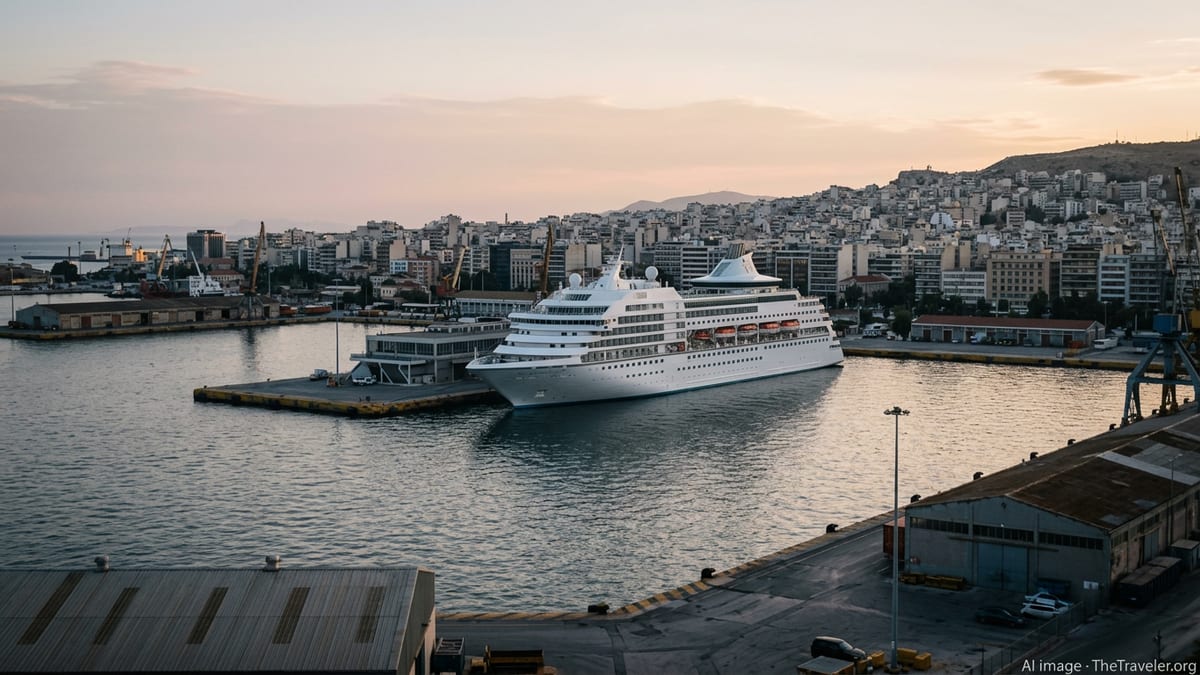
Middle East Conflict Ripples Into Mediterranean Cruise Plans
Publicly available information indicates that Celestyal Discovery became caught up in fast-moving events in the Arabian Gulf at the end of February 2026, when conflict involving Iran and Western allies led to security concerns across key shipping lanes. Cruise industry reports describe a rapid shutdown of itineraries in the region, with several vessels, including Celestyal Discovery, left in Dubai while operators worked to repatriate guests and crew.
According to published coverage, Celestyal had intended to end its 2025 to 2026 Arabian Gulf season and reposition both Celestyal Journey and Celestyal Discovery to Athens in March, ahead of their scheduled Mediterranean programs. Those plans depended on safe passage from the Gulf via the Red Sea and Suez Canal, routes that have become increasingly sensitive as the wider Middle East security situation has deteriorated.
The combination of closed or heavily restricted sea routes and heightened regional risk has now spilled over into early-season Mediterranean operations, demonstrating how closely the cruise calendar is tied to geopolitical conditions far beyond European shores.
First Celestyal Discovery Mediterranean Sailings Cancelled
Travel trade media report that Celestyal has cancelled the first two sailings of Celestyal Discovery’s 2026 Mediterranean season, which were due to run short Aegean and Eastern Mediterranean itineraries from Greece. With the ship still delayed in Dubai, the company has removed those departures from sale and notified booked guests through official channels.
Coverage in specialist cruise outlets indicates that impacted cruises included short “Iconic Aegean” style itineraries featuring marquee ports such as Mykonos and Santorini. These voyages were positioned as part of Celestyal’s core Greek islands program, a segment that has been central to the brand’s identity and commercial performance.
The cancellations come on top of earlier adjustments to Celestyal Discovery’s deployment. In 2024 the company had already withdrawn several “Three Continents” Eastern Mediterranean sailings planned for late 2025 and early 2026, citing the evolving situation in the region and a strategic shift to a more concentrated Arabian Gulf season.
Repatriation Efforts and Guest Options
Reports from cruise news outlets and trade media state that Celestyal coordinated flights and onward travel for more than 1,500 guests who had been sailing in the Arabian Gulf when the situation deteriorated. Passengers on Celestyal Discovery in Dubai were gradually disembarked, with the line assisting with accommodation and transfers where needed while commercial air capacity remained tight.
For guests booked on the cancelled Mediterranean itineraries, publicly available information shows that Celestyal is offering a choice between a full refund and a future cruise credit. Customers are being directed to work through their original booking channels, whether travel agencies or the cruise line’s own sales platforms, to rebook or claim refunds.
Industry analysts note that such compensation structures are consistent with broader cruise sector practice when itineraries are cancelled for reasons related to security or force majeure. However, the disruption can still have knock-on effects for connecting flights, independent hotel bookings, and travel insurance claims, particularly for guests who assembled their own land arrangements around the cruise dates.
Operational Challenges in Repositioning to Greece
Operational updates carried by cruise industry publications suggest that Celestyal is still finalising how and when Celestyal Discovery will reposition from Dubai to the Eastern Mediterranean. While Celestyal Journey and Celestyal Discovery were originally scheduled to sail to Athens in time to start their 2026 Mediterranean programs in March, any transit now depends on evolving security assessments for both the Arabian Sea and the Red Sea.
Celestyal’s broader itinerary plan for 2025 and 2026, outlined in earlier brochures and deployment announcements, envisioned Celestyal Discovery operating a series of three and four night Aegean cruises from Piraeus, targeting both European city-break travellers and long-haul visitors seeking short Greek island “taster” voyages. Delays to the ship’s arrival in Greece could compress that season or require further rescheduling later in the year.
Analysts point out that repositioning voyages are particularly vulnerable in periods of geopolitical instability, as they rely on long open-sea segments and transits through strategic chokepoints such as the Suez Canal. Adjustments can therefore cascade into subsequent regional programs, even when ports in the Mediterranean remain open and unaffected directly by conflict.
Wider Cruise Industry Impact Across the Middle East
The situation facing Celestyal Discovery is part of a broader pattern of cruise cancellations across the Middle East in early 2026. Trade media and regional travel outlets report that multiple lines, including MSC Cruises and newer Gulf-based brands, have curtailed or ended their Arabian Gulf seasons ahead of schedule as tensions have grown.
These changes have immediate consequences for destinations that have invested heavily in cruise tourism, such as Dubai, Abu Dhabi, Doha and other Gulf ports that had been positioning themselves as winter homeports for European and international lines. Lost port calls reduce short-stay visitor numbers, onshore spending and associated revenue for guides, tour operators and hospitality businesses.
For the Mediterranean, the knock-on effects are more subtle but still significant. Ships like Celestyal Discovery, which bridge winter Gulf deployments with summer Aegean operations, can no longer rely on predictable repositioning windows. This uncertainty may influence future deployment decisions and could encourage some operators to keep ships in more geographically self-contained regions until the security outlook becomes clearer.
What Travellers Should Watch Next
For travellers holding bookings on Celestyal Discovery later in the 2026 Mediterranean season, current reports emphasise that only the first departures have been formally cancelled as of mid March 2026. Later sailings remain scheduled in brochures and online materials, although these remain subject to change if operational constraints persist.
Consumer travel coverage advises guests to monitor official communications from Celestyal and their travel providers closely, as further adjustments to departure dates, routes or port calls remain possible while regional tensions continue. Many commentators also highlight the importance of reviewing travel insurance policies to understand coverage for disruptions linked to war or political instability.
More broadly, the fate of Celestyal Discovery’s Mediterranean program has become a closely watched indicator of how quickly cruise operations can normalise after a major regional shock. As cruise lines across the Middle East and Eastern Mediterranean reassess risk and redeploy ships, travellers are likely to see a mix of short notice cancellations, modified routes and, in some cases, alternative itineraries designed to keep vessels closer to their core home markets.